


Brownstone’s PDPA session explores how class labeling and insufficient data can mislead clinicians and alarm patients unnecessarily.
Brownstone’s PDPA session explores how class labeling and insufficient data can mislead clinicians and alarm patients unnecessarily.
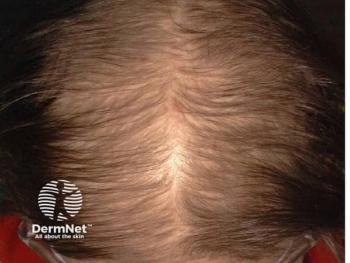
The investigational extended-release tablet maintained therapeutic plasma levels while avoiding peaks linked to cardiovascular risk.

Brian Kim, MD, FAAD, explores the transformative role of neuroimmunology in dermatology, urging a shift towards systems-level therapeutic strategies.

Brian Kim, MD, FAAD, explores the Cell Symposia: Neuro-immune Axis, highlighting neuroimmunology's impact on dermatology and systemic medicine.

ORKA-001 builds on the proven success of existing IL-23 inhibitors used in psoriasis treatment.

Dermatology Times has compiled a list of dermatological meetings taking place during the month of October.

Put your dermatology expertise to the test with Dermatology Times’ interactive quiz series!

Explore the latest advancements and expert insights from the Maui Derm NP+PA Fall 2025 conference in Nashville, Tennessee.

Bambusa Therapeutics reveals promising phase I trial results for BBT001, targeting atopic dermatitis with dual-action bispecific antibodies.

Virginia Sybert, MD, emphasizes the importance of judicious genetic testing in pediatric dermatology, advocating for collaboration to enhance patient care.

TRIV-509 is a dual KLK5/7 inhibitor that aims to address barrier dysfunction, inflammation, and itch in moderate to severe AD.

Explore cutting-edge insights from DERM 2025, focusing on innovative treatments and emerging research in dermatology for improved patient care.
Elena Hawryluk, MD, PhD, shares groundbreaking insights on pediatric dermatology and melanoma management at Maui Derm NP+PA, emphasizing innovative treatments.

Jerry Shapiro, MD, shares innovative strategies for diagnosing and managing scarring alopecia at Maui Derm NP+PA Fall 2025, enhancing patient outcomes.
Discover educational insights on blistering diseases and innovative treatments like dupilumab at the Maui Derm NP+PA Fall 2025 conference.

Kara Mudd, PA-C, shares vital insights on atopic dermatitis, rosacea, and contact dermatitis from Maui Derm NP+PA Fall 2025, enhancing clinical practice.
Explore groundbreaking research and insights from the EADV Congress 2025, highlighting advancements in dermatology treatments and patient care.

Catch up on coverage from the fourth day of the Maui Derm NP+PA Fall 2025 conference held in Nashville, Tennessee.

A poster at Maui Derm NP+PA Fall shows trifarotene cream's promise in treating acne and post-inflammatory hyperpigmentation in diverse patients, enhancing skin health and appearance.
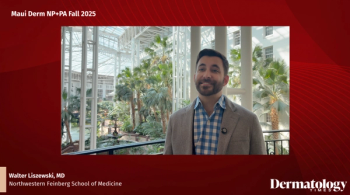
Walter Liszewski, MD, shares innovative and personalized treatment strategies for managing atopic and contact dermatitis at Maui Derm NP+PA Fall 2025.
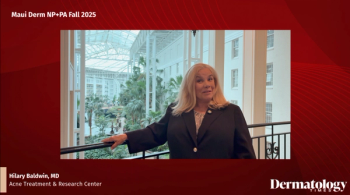
Discover key insights from Maui Derm NP+PA Fall 2025 on acne and rosacea treatments, featuring expert strategies from Hilary Baldwin, MD.
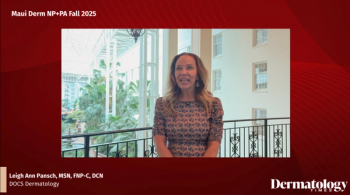
Discover the latest advancements in pediatric dermatology and atopic dermatitis treatments from Maui Derm NP+PA Fall 2025, featuring expert insights and emerging therapies.

Stephanie Simmerman, DNP, APRN-C, led discussions on psoriasis treatment innovations at Maui Derm NP+PA Fall 2025, highlighting NP and PA advancements.

Catch up on coverage from the third day of the Maui Derm NP+PA Fall 2025 conference held in Nashville, Tennessee.

George Martin, MD, reveals cutting-edge treatments for vitiligo, psoriasis, and psoriatic arthritis at Maui Derm NP+PA Fall 2025, enhancing patient care strategies.

Matthew Bruno, PA-C, explores the transformative impact of AI at Maui Derm NP+PA Fall, emphasizing its benefits, ethical concerns, and the need for clinician engagement.

Discover expert insights on treating uncommon conditions like lichen planus, CSU, and polymorphous light eruption from Maui Derm NP+PA Fall 2025.

Explore common dermatological nail disorders and innovative surgical techniques presented by Phoebe Rich, MD, at Maui Derm NP+PA Fall 2025.

At Maui Derm NP+PA Fall 2025, Ted Rosen, MD, and Vikash Oza, MD, discuss emerging infectious diseases in dermatology, highlighting new treatments and diagnostic challenges for clinicians.
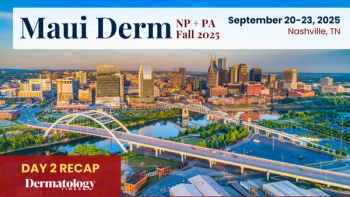
Catch up on coverage from the second day of the Maui Derm NP+PA Fall 2025 conference held in Nashville, Tennessee.