

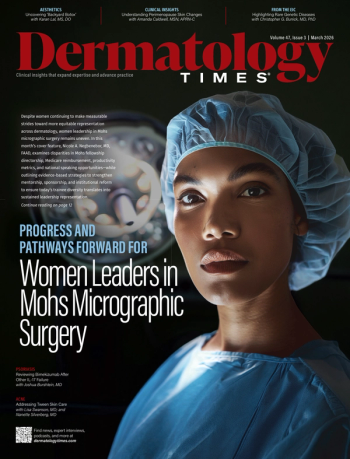
Learn more about the in-depth topics covered in the March 2026 print issue of Dermatology Times.
Learn more about the in-depth topics covered in the March 2026 print issue of Dermatology Times.
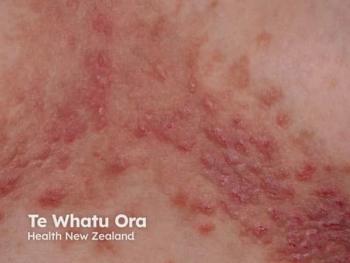
In a patient with longstanding Hailey-Hailey disease, lebrikizumab was associated with rapid improvement in symptoms and quality of life.
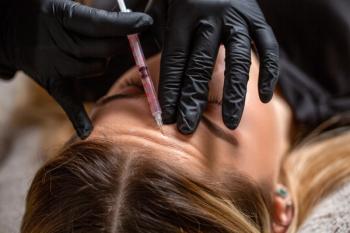
The rise of at-home injectable trends is exposing patients to risks including infection, nerve damage, and potential systemic complications.
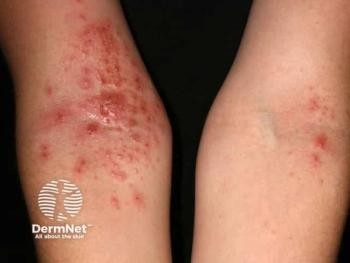
Targeted therapies are increasingly used earlier in treatment rather than being reserved for severe or refractory cases.

Overall, the future of dermatology lies in integrating innovation with individualized, evidence-based, and patient-centered care.
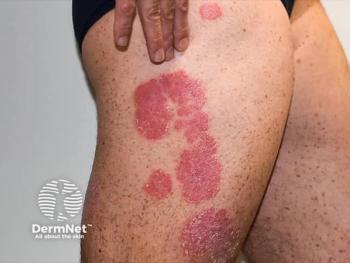
IL-17 inhibitors are highly effective, but many patients still require switching due to treatment failure, loss of response, or intolerance.

Aging hair fibers become finer in diameter, increasing vulnerability to chemical and physical damage.

Defined by emotional exhaustion, depersonalization, and reduced accomplishment, burnout goes beyond a difficult day in clinic.

Women often present with sudden skin, hair, and vascular changes that may signal perimenopause rather than normal aging.
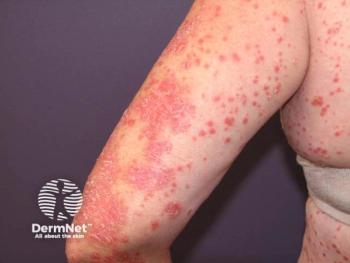
Chovatiya discusses treat-to-target goals, biologics, BSA remission, and patient burden in psoriasis.

Although the number of women leaders in Mohs surgery has increased, significant gender disparities remain in leadership roles, productivity metrics, and speaking opportunities.
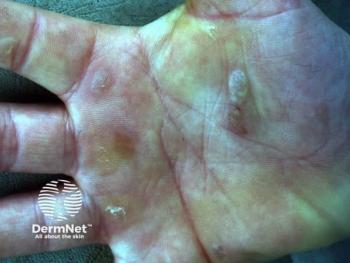
February highlights rare genetic skin diseases, shifting dermatology from supportive care to molecularly targeted therapies.

A cover feature by Nicole A. Negbenebor, MD, FAAD, examines the growing leadership role of women in Mohs micrographic surgery for nonmelanoma skin cancer.

The on-demand format of podcasts allows learners at all levels to engage with expert insights conveniently.