

The narrative about food, diet and atopic dermatitis recently changed significantly after publication of the Learning Early About Peanut study, says Peter Lio, M.D. Diet matters, and he discusses in what ways.
The narrative about food, diet and atopic dermatitis recently changed significantly after publication of the Learning Early About Peanut study, says Peter Lio, M.D. Diet matters, and he discusses in what ways.

Patients on powerful immunocompromising agents might be predisposed to infections; however the potential association between biologic agents and increased risk isn’t necessarily universal, Whitney High, M.D., reported during the summer meeting of the American Academy of Dermatology.

There have been several shifts over time around beliefs in the association between diet and acne. Linda Stein Gold, M.D., discussed the recommendations of current guidelines at the summer meeting of the American Academy of Dermatology.

GEP testing could improve staging accuracy and help streamline disease management, but more research is needed to determine if a high-risk GEP classification is associated with improved response to newer systemic therapies.

Kimberly S. Salkey, M.D., shares answers to some of the most common questions she encounters from patients about OTC hair loss treatments.

Check back for highlights from key speakers at this year's Summer AAD meeting in New York City.
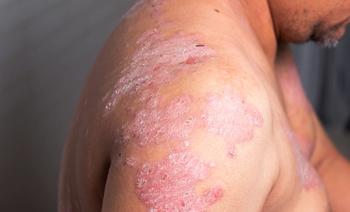
In psoriasis, many therapies offer roughly the same level of care, but that doesn’t mean any patient will respond well to any therapy. According to Mark Lebwohl, M.D., physicians should consider each treatment option in light of a patient's specific comorbidities.

Why do biologics lose efficacy over time? This physician discusses factors dermatologists should consider when they see this issue in their patients.

Hosted by Dermatology Times and supported by Ortho Dermatologics, the hall of fame honored its inaugural class of inductees at the Long View Gallery in Washington, D.C., just before the 2019 American Academy of Dermatology Annual Meeting.

Continued research has led to a variety of melanoma immunotherapy medications, leading to improved survival of melanoma patients. Clinicians should have a firm grasp of the immune mechanisms behind these novel therapies to provide the best advice on treatment and management options of their melanoma patients
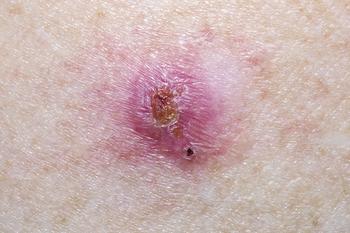
Superficial radiation therapy is experiencing a renaissance in dermatologic therapy due to the modernized equipment and updated guidelines, as well as excellent treatment outcomes for patients with NMSC which rival those seen with other approaches, including Mohs surgery.

Key developments among new and emerging treatments for acne and rosacea include a novel oral agent and a novel topical agent, as well as new formulations of existing products, says Diane S. Berson, M.D. in her presentation at AAD.

Curbing use of antibiotics to treat acne has been challenging despite updated guidelines supporting limited use and the growing problem of bacterial resistance. But things seem to be changing for the better, says Diane M. Thiboutot, M.D.

Scars caused by acne can be both physical and emotional. Helping patients get the care they need starts with recognizing and addressing psychosocial issues that can be caused by acne, says Jonette E. Keri, M.D., Ph.D.

Oral contraceptive pills and antiandrogen therapies may rival antibiotics for women with acne, according to research presented by Rachel V. Reynolds, M.D. at AAD earlier this month.

Unlike prior generations of dermatologic drugs, Janus kinase (JAK) inhibitors show potential for treating numerous dermatologic indications. Brett King, M.D., Ph.D. explored what this class of drug has to offer in his presentation during AAD earlier this month.

With several Janus kinase (JAK) inhibitors undergoing clinical trials for vitiligo, their potential approvals will deliver new hope and an entirely new treatment strategy, said an expert at AAD.
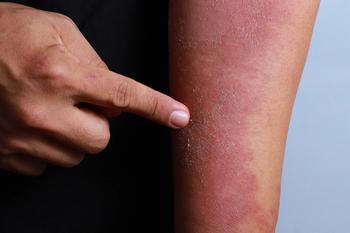
In the future, atopic dermatitis (AD) may need to be targeted with different drugs and tailored for different AD populations, particularly if initial treatment targeting all phenotypes fails, says Emma Guttman-Yassky, M.D., Ph.D.

Staphylococcus aureus infections are becoming more challenging to treat due to methicillin-resistant Staphylococcus aureus (MRSA). A better understanding of cutaneous immune mechanisms will identify specific immune mechanisms to target for future vaccines and immunotherapies to ultimately address this serious public health threat.
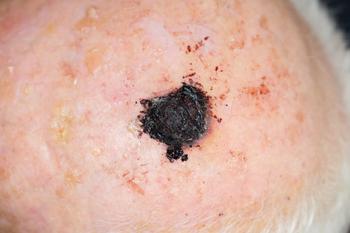
The cutaneous side effects of targeted therapies and immunotherapy for melanoma can complicate treatment and become a burden to patients. Dermatologists must aggressively address these side effects for a more ideal management and better quality of life for their melanoma patients.

New atopic dermatitis treatment developments earn “hot topic” status at AAD.


Skin concerns and treatment approaches differ for and among patients with skin of color.

If you want to get paid promptly in 2019, don't get too comfortable with biopsy codes you've been using for years, says Alexander Miller, M.D., F.A.A.D. Read more from his presentation on coding and office management from the American Academy of Dermatology Annual Meeting in Washington, D.C.

As an expert on coding and office management, Mark D. Kaufmann, M.D., explained important role the AMA's Specialty Society Relative Value Update Committee (RUC) plays in code valuation during his presentation at the American Academy of Dermatology Annual Meeting in Washington, D.C.

With a crowded indication that includes 14 systemic agents, is there really room for tyrosine kinase 2 (Tyk2) inhibitors to treat psoriasis? This physician thinks so.

Drug-device combination, VP-102, met all primary and secondary endpoints in the parallel Cantharidin Application in Molluscum Patients (CAMP)-1 and CAMP-2 trials.

The development of new biologics targeting a variety of dermatoses is on the upswing with some treatments coming to the clinic as early as this year, according to April Armstrong, M.D. who discussed the topic at the American Academy of Dermatology Spring Meeting in Washington, D.C.

As demand for quick fixes soars, so do complications. Dr. Jennifer Chwalek advises on how to identify, fix and avoid them.

Dr. Lawrence Eichenfield discusses a better understanding of disease pathogenesis, available therapies and proactive treatment approach improves the outlook for managing atopic dermatitis.