

From fat reduction to skin tightening and tone, Dr. Neil Sadick offers keys for best outcomes when combining energy-based devices.
From fat reduction to skin tightening and tone, Dr. Neil Sadick offers keys for best outcomes when combining energy-based devices.

Psoriasis treatment has expanded dramatically over the past decade, and the growth shows no signs of stopping. Andrew Blauvelt, M.D. discussed new drugs in the pipeline during American Academy of Dermatology Annual Meeting in Washington, D.C.

To help providers have a greater understanding of the efforts of the FDA to ensure all drugs are of pharmaceutical quality, Michael Kopcha, Ph.D., RPh, director of the FDA’s Office of Pharmaceutical Quality presented on the topic during the American Academy of Dermatology’s Annual Meeting in Washington, D.C.
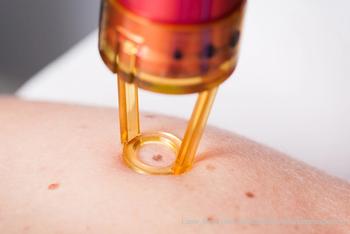
Laura Marquart, M.D., FAAD, medical officer with the FDA’s Center for Devices and Radiological Health (CDRH), reviewed how the FDA approaches, reviews, and approves medical devices integral to dermatologic care at the American Academy of Dermatology’s annual meeting in Washington, D.C. Learn how this process can affect patient care in this article.
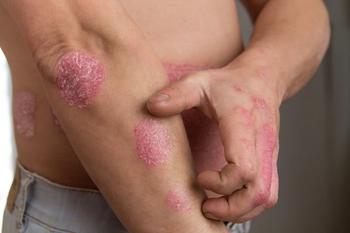
While this new class of medications still has a role in treating psoriasis, this physician says the standard for both their efficacy and safety is very high because of the existing, already very effective systemic therapies available today.

Longer-lasting treatment for vitiligo could be available within the next few years, according to research presented at the American Academy of Dermatology Annual Meeting in Washington, D.C.

Treating chronic inflammatory skin conditions during pregnancy can be difficult because the therapies dermatologists prescribe can affect the unborn infant. See what insights this physician offers on managing chronic inflammatory skin conditions in pregnant patients.

Dr. Jacob Mashiah offers tips for optimally treating patients with sweating disease.

Dr. Jonathan Silverberg offers tips at AAD 2019 for diagnosing and managing atopic dermatitis in adults.

When it comes to addressing skincare concerns, some combination therapies work better than others.

Knowledge of epidermal structure and function can improve understanding of disease pathogenesis and ultimately help dermatology providers evaluate and diagnose patients.

Healthcare disparities exist in all fields of medicine, including dermatology. We seek to address these disparities in this article by outlining the differences in epidemiology, presentation, access and outcomes of five conditions in patients with skin of color.

The American Academy of Dermatology annual meeting will be held from March 1-5 in Washington, D.C.

Monitoring changes in patients with melanoma can be tricky. Some changes present slowly and in tiny ways. Using imaging technologies to track these changes can help achieve an accurate diagnosis.
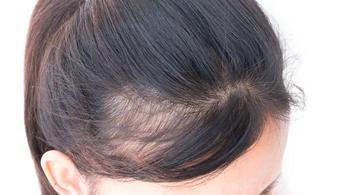
Frontal fibrosing alopecia is a condition that is increasing in epidemic proportions, says Jerry Shapiro, M.D., in a presentation given at the 2018 AAD Summer Meeting.

When conducting skin treatments, addressing pain ― whether minor or more serious ― may make an uncomfortable procedure more tolerable for patients. Dr. Peter Lio outlines some steps physicians can follow to make patients more comfortable.

There are many reasons why patients resist following instructions, but a comprehensive approach can help doctors change behavior.

Nutritional supplements should only be considered for a small subset of patients with alopecia areata, said Dr. Leslie Castelo-Soccio in a presentation from the AAD Summer Meeting.
Diet can greatly affect patients’ skin conditions - and you can guide them in the right direction, says Dr. Rajani Katta in a presentation from the AAD Summer Meeting.

It’s summer, so you’re likely seeing more patients with skin conditions caused by bug bites or infestations. Treating them has gotten harder, but emerging therapies could help.

It might not be the first place dermatologists look, but diseases of the vulva are skin conditions. An itchy, sore vulva can be caused by a number of different skin conditions, said Dr. Gayle Fischer in a presentation given at the AAD Summer Meeting.

Caring for gay men and other men who have sex with men in a dermatology settings requires medical knowledge and cultural sensitivity, but few dermatologists have had formal training in caring for this group of patients.

In speaking at the 2018 AAD Summer Meeting in Chicago, one doctor recommends that dermatologists in training learn more about diagnosing and treating STDs due to increasing prevalence.

If you’re providing body contouring services to patients, chances are you’re doing it differently than you were a decade ago, according to a presentatin by Dr. Mathew Avram from the 2018 AAD Summer Meeting.

Combination aesthetic treatments often lead to superior results. Here are four tips from the 2018 AAD Summer Meeting.
In this article, Dr. Norman Levine sums up his takeaways from the American Academy of Dermatology annual meeting, beginning with a presentation by two physicians who addressed the difficulties of managing hidradenitis suppurativa, such as fixed dosing. He also addressed controversies associated with treatments for atopic dermatitis. Apparently, bleach baths are no better than regular baths in improving skin symptoms.
Physicians weigh in expectations for new developments within all facets of dermatology from pediatric dermatology to dermatopathology.
Initial results of an investigator-initiated phase 4 trial suggest that blocking interleukin-12 (IL-12) and IL-23 may reduce cardiovascular inflammation associated with psoriasis, researchers reported at AAD 2018.
Diagnosing PRP is challenging because it can mimic eczema, psoriasis, or even ichthyosis. Biologic treatment for refractory cases considered, researchers said at AAD 2018.
While the vast majority of basal cell carcinomas are treated and resolved with surgery, systemic therapy with one of the two hedgehog pathway inhibitors could be a treatment option for unresectable or metastasized disease, researchers reported at the American Academy of Dermatology annual meeting in San Diego this week.