


The American Academy of Dermatology Announced the results from its annual election, with 2 officers and 4 board members assuming their new positions in March 2022.
The American Academy of Dermatology Announced the results from its annual election, with 2 officers and 4 board members assuming their new positions in March 2022.

In a presentation at the American Academy of Dermatology Virtual Meeting, Marcia S. Driscoll, MD, PharmD, gave guidelines for diagnosing and treating four dermatoses of pregnancy.

Thanks to new drug approvals, medical management is replacing surgery as the first-line treatment for inflammation caused by hidradenitis suppurativa. However, surgery is often necessary to relieve pain related to tunnels.

Patients of color make up a growing market for aesthetic dermatology. Physicians must learn how to tailor treatments and assess skin of color risk to best serve this emerging patient population. Doing so will deliver positive outcomes and drive patient satisfaction.

Telemedicine flourished among dermatology practices in the wake of COVID-19. But as the world tentatively reopens, questions about connectivity, regulations, and payment will have to be addressed before physicians decide what role virtual visits will play in their practices.

Futuristic tools including robotics and new types of lasers are just some of the therapeutic innovations aimed at slowing hair loss and increasing hair growth.

New data on the safety and efficacy of roflumilast foam (ARQ-154, Arcutis Biotherapeutics) for scalp and body psoriasis was presented at the American Academy of Dermatology Virtual Meeting Experience (AAD VMX) 2021.
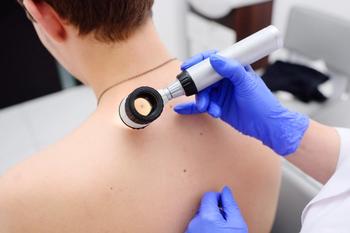
More detailed tumor classifications, patient data advance surveillance strategies for the high-risk patient population.

According to objective and subjective measures, children with more severe atopic dermatitis were more likely to report a learning disability.

In this video interview, Melissa Stenstrom, MD, previews what she is most excited about at the upcoming American Academy of Dermatology (AAD) Virtual Meeting Experience (VMX) 2021

Vitiligo can be psychologically devastating for patients. Expert Seemal R. Desai, M.D., FAAD, shares how recent advances in vitiligo treatment offer hope to patients impacted by the disease.

Subtypes such as confetti vitiligo and trichrome vitiligo can be signs of unstable active disease, says expert Seemal R. Desai, M.D., FAAD.

Expert Seemal R. Desai, M.D., FAAD, highlights new therapeutics that may impact the future of vitiligo management, a topic he discussed at the AAD Virtual Meeting Experience (VMX) in June.

Antioxidants can be a valuable part of your vitiligo therapeutic armamentarium, says expert Seemal R. Desai, M.D., FAAD.

Expert Seemal R. Desai, M.D., FAAD, offers practical tips for stabilizing patients who present with active, spreading vitiligo, a topic he discussed at the AAD Virtual Meeting Experience (VMX) in June.

Is your patient’s vitiligo stable, unstable or recalcitrant? Expert Seemal R. Desai, M.D., FAAD, discusses how he classifies disease activity in his practice.

Expert Seemal R. Desai, M.D., FAAD, stresses the importance of defining treatment goals when meeting with vitiligo patients, a topic he covered during his presentation at the AAD Virtual Meeting Experience (VMX) in June.

Expert Christine Ko, M.D., FAAD, discusses case reports exploring the variability of skin manifestation in patients with or suspected of COVID-19 infection.

Most skin manifestations associated with COVID-19 resolve as the disease progresses, says expert Christine Ko, M.D., FAAD. But there is one type of lesion that providers and patients will not want to ignore, she warns.

Learn about the histopathology of skin findings associated with potential COVID-19 infection from expert Christine Ko, M.D., FAAD.

Botulinum toxin may help address erythema and flushing in patients with refractory rosacea, according to data presented by Hema Sundaram, MA, MD, FAAD, at the AAD Virtual Meeting Experience (VMX) on June 12.

In this video, Hema Sundaram, MA, MD, FAAD, shares pearls on fat grafting from her presentation at the AAD Virtual Meeting Experience (VMX) in June.

Hema Sundaram, MA, MD, FAAD, breaks down how botulinum toxin can be used to treat scars, a topic she discussed during her presentation at the AAD Virtual Meeting Experience (VMX) on June 12.
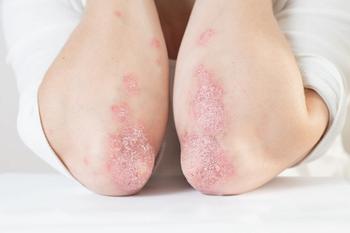
Phase 3 data announced at the American Academy of Dermatology (AAD) Virtual Meeting Experience (VMX) 2020 demonstrate that the second-generation IL-17 inhibitor may offer long-lasting, safe treatment for patients with psoriasis.

In our first episode of The Cutaneous Connection, Adam Friedman, M.D., FAAD, discusses his recent presentation at the first virtual American Academy of Dermatology meeting about cannabinoids use in dermatology.

Experts sent a letter to the White House Coronavirus Task Force March 24, outlining concerns about a growing shortage of medications required for managing patients with lupus and rheumatoid arthritis after President Donald Trump said in a March 19 press conference that the anti-malaria drug hydroxychloroquine could treat COVID-19.

As the national pandemic continues to escalate, the American Academy of Dermatology is actively compiling resources related to the novel coronavirus to support its members and their practices.

The American Academy of Dermatology (AAD) has issued interim recommendations for practitioners to balance the risk of immunosuppression with the risk of disease flare amid COVID-19 pandemic.

The good news for the specialty is practice model options are aplenty and there’s something for every dermatologist. Betsy Wernli, M.D., discussed factors behind dermatologists opting out of solo practice and misperceptions around various practice models Saturday at the Summer meeting of the American Academy of Dermatology.

Betsy Wernli, M.D., president, Forefront Dermatology, offers insights into pros and cons of various practice model options.