








Experts offer their treatment tips and protocols for melasma prevention and management.

Experts offer their treatment tips and protocols for melasma prevention and management.

To meet the skin's changing needs over various life stages, experts at the Generational Dermatology Symposium held earlier this year suggest being proactive about barrier problems and that moisturization is key to maintaining skin health.

Nonsurgical fat reduction device choices are taking the market by storm, with technologies that target fat via cryolipolysis, laser lipolysis or radiofrequency.

Researchers examine T. purpurea benefits for “well-aging” in mature population.

Adding PRP to a base serum designed to maintain the viability of platelet cells personalizes topical cosmetic products.

The ultimate test: Have you listened to how your staff handles incoming phone calls lately?

How do you advise patients to select good skincare on a budget? Dr. Draelos covers this and more in this month's Cosmetic Conundrums.

Dr. Heidi Waldorf offers dos and don’ts for neurotoxins and dermal fillers to differentiate the aesthetic practice.

Gillette announced in July that a 12-week study shows its SkinGuard razor reduced incidence of pseudofolliculitis barbae papules in men by more than 61% at three months.
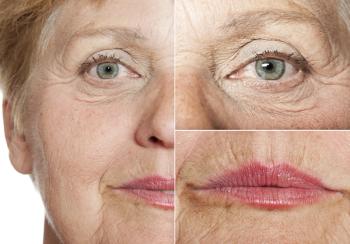
Farnesol, an alcohol found in essential oils including ambrette seed and citronella, could be a beneficial component of facial masks, according to a recent study.

Dominion Aesthetic Technologies announced in late June that the FDA cleared its eon FR laser energy body contouring device for fat reduction of the abdomen.

Nasolabial, jawline, submental and neck - all areas show improvement with HIFU treatment, but one ranks best in a recent study.

Study reports melasma has a significant negative impact on patient quality of life and self-esteem.
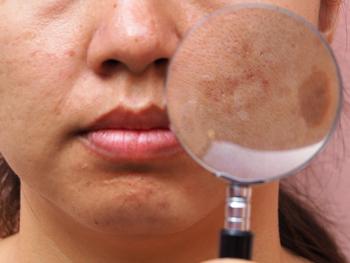
Topical treatments with tranexamic acid offer a safe, effective option for melasma, hyperpigmentation.

Authors of a new anatomical gluteal fat grafting study report no subfascial or intramuscular injection should ever be performed.

Minimally invasive treatments can help to make an older neck look younger, but it’s usually not enough, say two experts who share their favorite approaches.

Interested in getting into the body contouring game? Dr. Kathleen Welsh offers advice on how to get started.
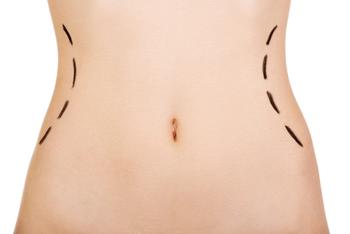
Inquiring minds at Cynosure wanted to know what inspires women to make a body change and surveyed 1,000 women in the UK to find out.

The golden ratio can satisfy beauty standards, but universal, cultural and personal aesthetics must also be considered.
What does that mean for providers who offer the body contouring and muscle defining technology? Experts weigh in.

New muscle-toning technology treats abdomen, buttocks, thighs.

A recent paper offers recommendations to early career surgeons for using social media ethically during and after residency.

Pearl E. Grimes, M.D., discusses the complexities of melasma and the need for a multimodal treatment approach.
Could this new drug delivery system for tranexamic acid optimize melasma treatment? Joel Cohen, M.D., thinks it could be just what the specialty has been looking for.

Molecular surgery makes it possible to reshape cartilage without cutting, suturing, recovery or scars.