





Bioidentical hormones have been shown to decrease and prevent the risk of Alzheimer’s, osteoporosis and heart disease, which parallels the increased risk that comes with aging. Should you be offering HRT to your patients?
Bioidentical hormones have been shown to decrease and prevent the risk of Alzheimer’s, osteoporosis and heart disease, which parallels the increased risk that comes with aging. Should you be offering HRT to your patients?

With 4 decades of dermatology advances, we asked the very dermatologist experts who we often contact to help us to report on the milestones to weigh in on what they think have made the most difference in theirs and their patients’ lives.
Bioidentical hormones have been shown to increase skin hydration and reduce skin atrophy. Dr. Ronald Moy discusses the benefits - and the hormones themselves - in the context of the aesthetic practice.

Over the past 40 years, there have been major dermatological breakthroughs that have changed the way doctors treat patients, along with the very treatments they use.

Study examines racial heterogeneity of the Latino nose and the nuances of preserving ethnic characteristics in rhinoplasty procedures.

The initial cosmetic consultation with a new patient should inspire with possibilities rather than overwhelm with details. That's according to Dr. Mary Lupo who offers several tips for making the most of your cosmetic consults.

Study examines effectiveness of hyaluronic acid with 0.3% lidocaine to correct volume loss in patients seeking hand rejuvenation.

Study compares the effectiveness of petrolatum-based ointment vs. silicone gel for skin healing post fractional ablative erbium laser resurfacing.

The methods and products used to combat the day-to-day impacts of melasma has expanded to include tranexamic acid, cysteamine, along others.

Topicals aimed at reviving estrogen-deficient skin and warding off damage from UV rays hours after exposure, while repairing DNA, are among the new cosmeceutical innovations backed by science.

Although most skincare innovations happen in the medically dispensed lines before mass market availability, Dr. Vivian Bucay points out that there are lower priced options backed by science that dermatologists can confidently recommend to patients looking for effective skincare products.
Are there effective hyperhidrosis treatments that patients can better afford and tolerate? Dr. Jisun Cha discusses practical points of diagnosis and treatment.
Could telemedicine prove to be a plastic surgery provider and patient pleaser after all? Dr. John F. Nigriny talks real-time continuity of care.

According to Beverly Hills, Calif.-based dermatologist Ava Shamban, M.D., the versatility of a dual-wavelength fractional laser makes it possible to treat non-facial body areas with precision and safety.

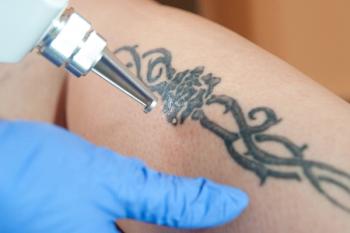
Tattoo regret is real. Removal innovations help to address unwanted treatment-related issues.

Because nobody wants unhappy patients. Learn how to help yours avoid procedure regret from a few of these RealSelf patient stories.
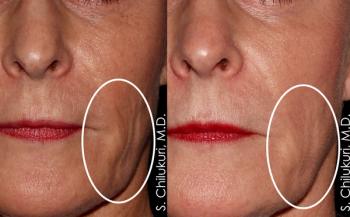
From automation to application-driven menus, laser technology companies are rolling out devices and handpieces designed to deliver better results and safety profiles.

In this Cosmetic Conundrums, Dr. Draelos answers questions about the safety of eyelid glitter, permanent eyeliner and microblading.
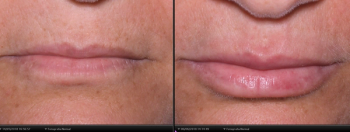
Can the lips be augmented without dermal filler injections? According to Carlos Wambier, M.D., Ph.D, the answer is a resounding “yes.” (And we’re not talking about Kylie’s infamous glass challenge...)

Marketing expert Justin Knott explains how to grow your Instagram following as part of a successful digital practice marketing strategy.
Acoustic waves help to improve wound healing by increasing the release of systemic growth factors, but can they be used to effectively minimize post-cosmetic surgery scars?

Dr. Gregory Buford believes success on social media means cutting through the clutter by combining key personality traits and posting the right mix.