









The Orlando Dermatology Aesthetic & Clinical Conference (ODAC), formerly known as Orlando Derm, is scheduled for January 18-21 at the JW Marriott in Orlando.
The Orlando Dermatology Aesthetic & Clinical Conference (ODAC), formerly known as Orlando Derm, is scheduled for January 18-21 at the JW Marriott in Orlando.

When it comes to opioids, neither patient nor provider is equal. This article explores recent research that highlights the differences in who will receive and who will write a prescription for opioids.

Are cosmetics really tested for efficacy? If so, how are they tested? Dr. Zoe Diana Draelos answers these questions in this month's Cosmetic Conundrums column.
Long lauded for its ability to reduce the appearance of wrinkles, botulinum toxin is now being considered for reducing scarring.
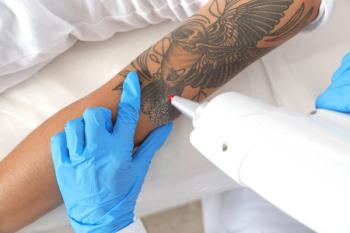
Investigators from the Health Hazard Evaluation Program of the Centers for Disease Control and Prevention recently issued these safety recommendations for tattoo removal.

Zoe Diana Draelos, M.D., clinical and research dermatologist, offers guidance on several cosmetic issues. View our slideshow of the top 8 Cosmetic Conundrums from 2018.

Older skin might heal more slowly, but it heals with less scarring than younger skin, according to new research.
These tips can help to improve patient results and compliance with cosmeceutical skin care regimens.

Rather than being fueled by a singular desire to be more physically attractive, patients seeking cosmetic procedures are driven by emotional, physical, social and professional reasons, a JAMA Dermatology study shows.


Some believe that all skincare products should be approved by the FDA, but is the regulation of cosmetics really necessary?

Dermatologists who sell cosmeceutical products in their offices have options. Among the popular choices: They can sell already branded lines or brand their own skincare, hair, nail and other products.

While nanotechnology use in cosmeceuticals is promising, safety concerns remain about widespread use of “nanocosmeceuticals” for skin, hair, nail and lip care.


Patients are increasingly seeking to have benign lesions removed and today, there are a number of treatment options available to safely and effectively remove unwanted lesions. Suneel Chilukuri, M.D., reviewed these options during a presentation at the Fall Clinical Dermatology Conference held this week in Las Vegas.

In a presentation at the Fall Clinical Dermatology Conference held on Saturday in Las Vegas, Diane Berson, M.D., outlined trends and new ingredients in oral and topical cosmeceuticals.
While botulinum toxin is most commonly used to relieve frowns and wrinkles, it is increasingly being shown to be associated with improving mood and relationships, a researcher says.

There are plenty of laser technologies for the practice, but then there are cornerstone lasers every practice should have. Learn more in this article from the Fall Clinical conference.

Increasingly higher doses of incobotulinumtoxinA (Xeomin) offer patients a longer duration of response in the treatment for glabellar frown lines, according to recently-presented clinical trial results.

A single treatment for cellulite, which affects 85 percent of women, can reduce the appearance of fat on patients’ buttocks and thighs for five years, according to results of a multi-year effectiveness study.

A minimally-invasive surgical skin contouring procedure, currently under investigation, could give patients a new option for removing fat and tightening skin, according to recent clinical trial findings.
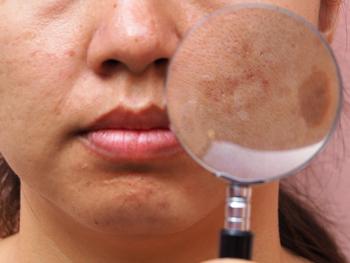
At the recently concluded American Society for Dermatologic Surgery meeting in Phoenix, Arizona, researchers looked at the efficacy of using picosecond lasers to treat melasma, with the aim of reducing adverse effects from current treatment options. The treatment proves to be promising.

Researchers presenting at ASDS show that CR-PCSS and the PR-PCSS scales are reliable tools used to evaluate cellulite severity.

Cosmetic injections have increased in men, but men don’t often achieve the same results as women. To provide the same degree of success, dermatologists should take into consideration the more masculine features, according to several studies published recently.