







Consumer demand for body-shaping procedures stands out in newly released ASPS member stats.
Consumer demand for body-shaping procedures stands out in newly released ASPS member stats.

Are cosmetic surgeons fostering the opioid epidemic?

What is micellar water? And what is the best way to increase skin water content and moisturization? Dr. Zoe Diana Draelos answers these questions and more in this month's Cosmetic Conundrums.
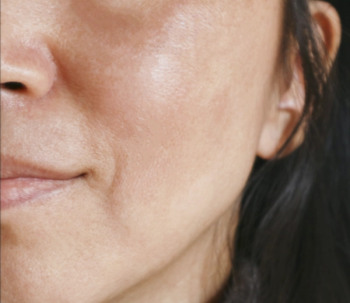
Researchers measure facial skin and superficial fat thickness to improve minimally invasive procedure outcomes.

Expert calls for FDA approval of devices for women’s genitourinary health: “Women need these treatments.”

Fractional ablative and nonablative lasers cover a wide variety of indications, but skin tightening results often require adjunctive treatment modalities and postprocedural regimens remain a puzzle, says Susan Van Dyke, M.D.

From lasers to light therapy to non-laser-based thermal tightening, learn each devices' indications, adverse effects and important treatment takeaways.


Skin concerns and treatment approaches differ for and among patients with skin of color.

As demand for quick fixes soars, so do complications. Dr. Jennifer Chwalek advises on how to identify, fix and avoid them.

From fat reduction to skin tightening and tone, Dr. Neil Sadick offers keys for best outcomes when combining energy-based devices.
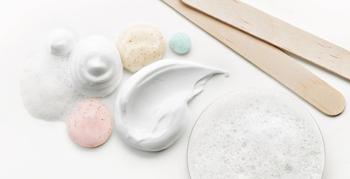
When it comes to addressing skincare concerns, some combination therapies work better than others.

Researchers using a new technique for injecting abobotulinumtoxinA (Dysport, Galderma) to treat glabellar lines found it might be more likely to result in patient satisfaction than the conventional approach.

Although prescribers who provide in-office dispensing must satisfy applicable state and other requirements, a recent ruling against Allergan's attempt to shut down Prescriber's Choice appears to pave the way for expansion of these services, according to Wm. Philip Werschler, M.D.
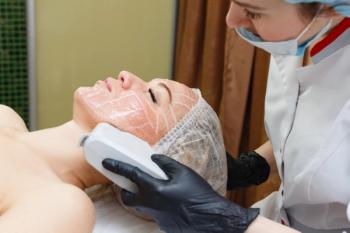
Researchers report on the first biophysical skin assessment of microfocused ultrasound with visualization treatment.

L'Oréal unveils prototype wearable skin pH measuring device.


Although surgical procedures remain the gold standard for defining the lower face, some patients can benefit from nonsurgical solutions.
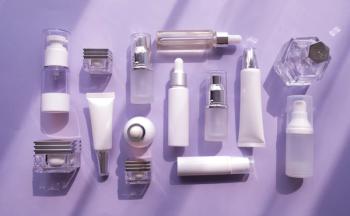
Organic and microbiome friendly cosmeceuticals are two big trends to watch out for in 2019, according to this physician.

Fillers and skin tightening technologies provide safe, synergistic results.

With the recent FDA approval, Jeuveau execs believe they’ve got a brand that could neutralize the existing monopoly.

Study authors find age-related bone remodeling affects facial angles and widths, independent of gender in the Caucasian population.
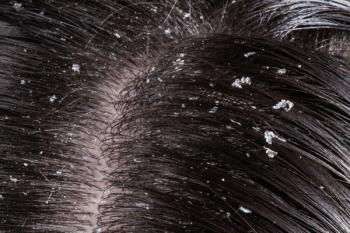
In this month's Cosmetic Conundrums, Dr. Zoe Diana Draelos answers questions on hair care, including treatments for dandruff, seborrheic dermatitis and oily hair.

Do dermatologists possess the knowledge base to effectively use over-the-counter products? Zoe Diana Draelos, M.D. tackles this question and more in this article.

According to recent research, smokers are more likely than nonsmokers to have complications after undergoing cosmetic surgery on the body, versus the face or breasts.