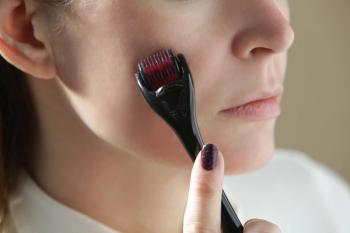
Two studies presented at EADV 2026 highlight misinformation and dermatologic complications linked to viral skincare routines on social media.
With the internet being available at everyone's fingertips and seemingly endless advertising for a variety of skincare and cosmetic products, the average patient may come to an appointment with misinformation and questions.
With the internet being available at everyone's fingertips and seemingly endless advertising for a variety of skincare and cosmetic products, the average patient may come to an appointment with misinformtion and questions. Every month Zoe Diana Draelos, M.D. tackles these conundrums. Here's a selection of her most popular articles.
1.
Hand moisturization is difficult to accomplish because the hands are washed more frequently than any other body part, thus experiencing both chemical and physical trauma.
2.
No one knows exactly why skin feels tight after cleansing, however one general theory is widely accepted.
Safety concerns over parabens arose because they mimic estrogen by binding to estrogen receptors. What could this mean for patients?
4.
The terms ultra-hydrating and therapeutic, as they pertain to moisturizer formulation, are pure marketing gibberish, however they have tremendous consumer appeal.
5.
The word “nourishing” is truly a cosmetic term with no medical meaning; nevertheless, consumers ascribe a positive meaning to this term.
6.
The digital beauty advisor is a digitized mirror providing personalized skin care information and day-to-day comparative health evaluations.
7.
“Luminosity,” is often used to describe facial appearance after applying facial foundation. What is luminosity?
8.
One of the most concerning group of chemicals are phthalates, which are used as plasticizers to increase the flexibility, transparency, durability and longevity of plastics.
9.
One of the most commonly used terms is “sensitive skin.” It is important for the dermatologist to understand the value of such terminology and the associated implications.
Just as facial blotting papers are used to control facial sebum, dry shampoos are used to control scalp sebum.