



Derm NP/PA Connect
Latest News
Advertisement
Latest Videos


CME Content





Advertisement
More News

Patients with mild to moderate AD have a new topical treatment option, but physicians will need to prepare for some focused conversations about safety.

At Maui Derm NP+PA Fall 2021, Vikash S. Oza, MD, and Matthew J. Zirwas, MD, discuss the current Rx and Dx of atopic dermatitis in children.
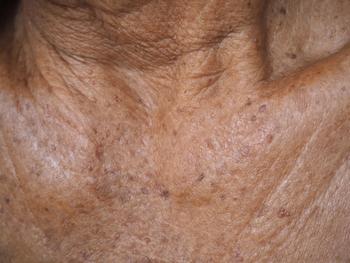
A review of the American Academy of Dermatology guidelines and current treatment improvements for actinic keratosis were discussed during a presentation at Maui Derm NP+PA Fall 2021.

Potential game-changers in the pipeline and newly FDA-approved treatments were highlighted in an overview of new drugs to watch at Maui Derm NP+PA Fall 2021 meeting.

As a part of her Maui Derm NP+PA Fall 2021 presentation, Phoebe Rich, MD, discusses how different diseases manifest in the nails, including multiple patient examples, and whether or not biopsy is needed for diagnosis.

Expert panelists outline best practices to set up nurse practitioners (NPs) and physician assistants (PAs) for success in injecting neuromodulators and dermal fillers as part of the preconference track at Maui Derm NP+PA Fall 2021 .

The Maui Derm NP+PA Fall 2021 8th Annual Meeting begins today with an in-person, 4-track preconference program at the Omni Grove Park Inn in Asheville, North Carolina. Continue to check in for the next 3 days for the latest coverage of the main program which is from September 30 to October 3.

Hilary Baldwin, MD, presented on how to recognize, diagnose, and treat rosacea in patients with skin of color at the Skin of Color Update 2021.

Possible melanoma treatments have had multiple newsworthy events since July 2021.

Vector-borne infectious diseases are spreading and skin cancer is rising because of climate change.

The AAD has provided various at-home treatments for keratosis pilaris that physicians can recommend to their patients.
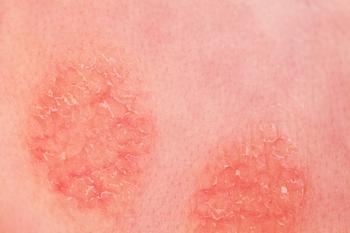
From oat oil to acupuncture to prebiotics, there are many topical, oral, and manual options.

Patients with anxiety/depression and psoriatic arthritis (PsA) are much less likely to achieve long-term remission. Mental health comorbidities need to be a more important part of PsA treatment.

Explore what dermatologic drugs the FDA will decide to approve during July 2021.

New TrichoTest aims to help clinicians diagnose and treat alopecia.

A higher prevalence of vitamin D deficiency in people of color may be contributing to a higher burden of COVID-19 in minority populations. Dermatologists are encouraged to address vitamin D status in patients and recommend supplementation, which might have other health benefits.

John Browning, MD, FAAD, FAAP, MBA, discusses the impact of the recent FDA approval of secukinumab (Cosentyx, Novartis) for the treatment of moderate to severe plaque psoriasis in children and adolescents.

Sunscreen is a necessary preventive tool. However, there are concerns about UV agent absorption, environmental impact, and possible correlations with frontal fibrosing alopecia (FFA). Here is a look at whether those worries are justified by research.

Recent therapeutic advances in topical and systemic therapy offer new options for cases that have not responded to established treatment approaches.

Diagnosis, risk assessment and treatment of congenital melanocytic nevi (CMN), as well as melanoma, require specific strategies for pediatric patients.
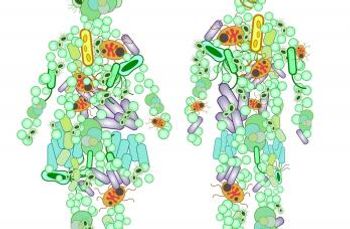
One expert says the action of demodex folliculorum and the composition of the symbiotic microbiota in the skin of patients with rosacea may provide valuable insights into the pathogenesis and pathophysiology of this widespread skin disease.

A recent study finds that payer sway in a region hurts not only patient care, but also physician pay.
Next-generation therapies explore solutions other than laser treatments, and are less invasive, safer and require less downtime.

Half of patients are satisfied with their atopic dermatitis treatment and more than half of patients worry about topical steroid side effects, addiction and withdrawal, according to a recent study.

The National Psoriasis Foundation’s (NPF) COVID-19 Task Force has recently published 22 guidance statements related to managing psoriatic disease during the pandemic in the Journal of American Academy of Dermatology (JAAD).
Advertisement
Advertisement
Trending on Dermatology Times
1
AbbVie Files for Vitiligo Indication, Putting Systemic Therapy Under Regulatory Review
2
Icotrokinra Shows Superior Efficacy Over Advanced Oral Therapies in New Psoriasis Meta-Analysis
3
Nutrafol Expands Portfolio with First and Only Hair Loss Supplement for Male Patients 50 and Older
4
Introducing Dermatology Times NP/PA Connect
5