













In light of the ongoing pandemic, Vivian Shi, M.D., discusses potential risks dermatologists will want to keep in mind when evaluating patients currently taking immunomodulator or immunosuppressant drugs.
In light of the ongoing pandemic, Vivian Shi, M.D., discusses potential risks dermatologists will want to keep in mind when evaluating patients currently taking immunomodulator or immunosuppressant drugs.

Dr. Suneel Chilukuri of Refresh Dermatology located in Houston, Tx., sits down with Dermatology Times to discuss the aesthetic needs of millennial patients and what they've been requesting, such as treatment for 'tech neck' and much more.


A recent clinical review proves trifarotene 0.005% cream is an effective and safe treatment for acne vulgaris on the face and neck in patients 9 years and older. Currently, the drug is one of four topical retinoid acne treatments available on the market.
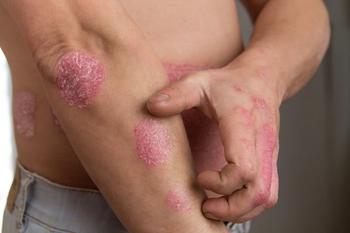
The interleukin-23 antagonist guselkumab demonstrated greater efficacy compared with adalimumab and secukinumab at week 48 in controlled clinical trials investigating treatment of moderate-to-severe plaque psoriasis.

Mast cells appear to play an intricate role in the pathophysiology of rosacea and could serve as potential targets for future therapies, according to recent study findings.
This week, we spoke with Mark Lebwohl, M.D., about his recent article featured in the Journal of the American Academy of Dermatology regarding biologic use in dermatology patients during the COVID-19 pandemic.

Recent evidence of increased mast cell activity suggests mast cell stabilization as a target for rosacea treatment.

REVIAN, Inc. releases positive data from their study investigating the REVIAN RED dual wavelength 620 nm and 660 nm light therapy device as a therapy for scalp pruritus and irritation.
Speaking about device-based acne treatments at Maui Derm for Dermatologists 2020 meeting, Fernanda Sakamoto, Ph.D., M.D., discussed PDT and other approaches for targeting the sebaceous gland.

Hilary E. Baldwin, M.D. discusses advances in acne treatment that have expanded treatment options, allowing physicians to improve outcomes in patients with moderate-to-severe acne.
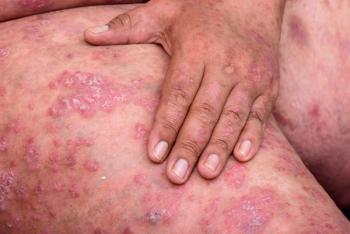
Eli Lilly announces the U.S. Food and Drug Administration approval of ixekizumab (Taltz) for treatment of moderate-to-severe plaque psoriasis in pediatric patients 6 and under 18 who are also eligible for phototherapy and systemic therapy.

HEINE, a global primary diagnostic instrument manufacturer, announces two new dermatoscopes available for purchase in the U.S.
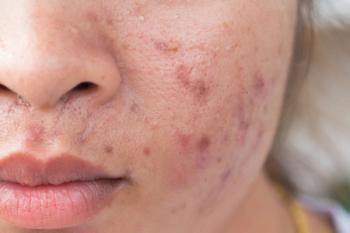
Read more on the variety of new treatment options for acne, with even more awaiting approval.

Read insights from James Q. Del Rosso, D.O., as he discusses antibiotic resistance, isotretinoin relapse, and laboratory monitoring for patients on isotretinoin and spironolactone.

It is important for clinicians to stay abreast with the latest data coming out of trials and individually consult their hair loss patients accordingly on a case by case basis, says this expert.
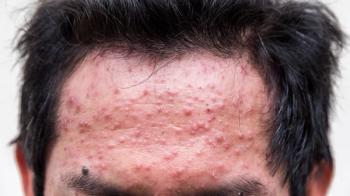
James J. Leyden, M.D., has four decades of experience prescribing isotretinoin for the treatment of severe acne both in clinical practice and clinical research. Read his conclusions about dosing and use of the oral retinoid in this article.
Rhinophyma is a disfiguring condition with deleterious psychosocial and functional consequences, and its pathogenesis remains unclear. Deborah S. Sarno ff, M.D., offers insight on its etiology, and treatment options in this article.
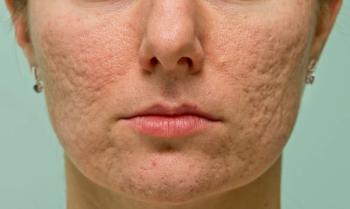
Although the fractional ablative CO2 laser is a first-line treatment for acne scarring, the potential for side effects from repetitive treatments leaves room for improvement with additive therapies, according to a recent review.
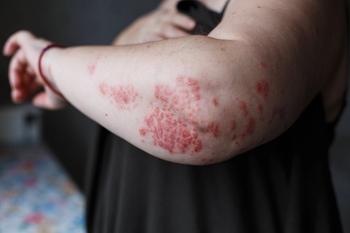
A study showing differences in baseline characteristics between responders to anti-tumor necrosis factor (anti-TNF) therapy and insufficient responders may be helpful to dermatologists as they consider treatment for patients with moderate-to-severe psoriasis, according to the investigators.
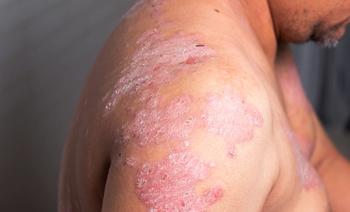
Switching patients with moderate-to-severe plaque psoriasis from one biologic to another is a multifactorial decision and may depend on safety, efficacy or dosing intervals. Ron Vender, M.D., offers insight into how to switch appropriately.

Topical ivermectin cream, 1% (Soolantra, Galderma) represents an advance in treatment for rosacea, o ffering superior e fficacy and tolerability compared with previously available therapies, says Je ffrey S. Fromowitz, M.D., who spoke at the Orlando Dermatology Aesthetic & Clinical Conference.
Positive phase 3 results from two clinical trials suggests that Sol-Gel’s novel 5% microencapsulated benzoyl peroxide cream may offer quick, effective relief for patients with papulopustular rosacea.
Sun Pharma introduces a lower dose isotretinoin capsule in the U.S. for the treatment of severe recalcitrant nodular acne.
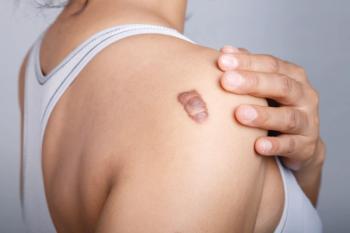
The atopic dermatitis treatment dupilumab could offer a therapeutic option for keloids, according to a case report published in the Journal of European Academy of Dermatology and Venereology.