






Derm NP/PA Connect
Latest News
Advertisement
Latest Videos






CME Content





Advertisement
More News

In the world of pediatric dermatology, many skin conditions can have parents concerned about their children’s condition. Lisa Swanson, MD, explains how to better address their questions at the 3rd Annual Society of Dermatology Nurse Practitioners Symposium.

At the opening session of the Society of Dermatology Nurse Practitioners Annual Symposium, Kathleen Haycraft, DNP, FNP-BC, DCNP, FAANP, delved into the revolutionary and evolutionary advances shaping dermatology in 2022.

In her presentation at the 3rd Annual Society of Dermatology Nurse Practitioners Symposium, Lisa Swanson, MD, discussed the important updates in pediatric dermatology, including early life interventions, food allergies, and more.

At the opening session of the Society of Dermatology Nurse Practitioners Annual Symposium, Kathleen Haycraft, DNP, FNP-BC, DCNP, FAANP, shared insights into the state of the profession and what’s ahead.

New York becomes 25th state to grant nurse practitioners full practice authority

An abstract presentation at the current Revolutionizing Atopic Dermatitis Conference highlighted using web-based education on AD for nursing students and RNs.

Learning vocabulary to advocate for equity, and provide actionable tools for nurse practitioners to confront and dismantle health disparities was this keynote speaker's topic at the 43rd National Conference on Pediatric Health Care in Dallas, Texas.

Each month, Dermatology Times® features a roundup of products trending in skin care. Click here to find out what products are trending for the month of February.

As artificial intelligence use grows in the field of dermatology, and the potential of it getting integrated into the clinical practice becomes a reality, many may wonder how dermatologists feel about this advancement.
This episode of The Cutaneous Connection podcast dives into the aesthetic industry, highlighting stackable aesthetic treatments, how the aesthetic world has changed in the last 10 years, and how allied health care workers should be utilized in the practice.

Resident billing can have huge financial implications on academic institutions. A poster from the Icahn School of Medicine at Mount Sinai aimed to assess new medical coding lectures and a modified note template at Winter Clinical Dermatology Conference.

In this month’s “Meet the Aesthetic Expert” column, Will Kirby, DO, FAOCD, talks with Emily Kaye Perbellini, MSN, FNP-Ca, board-certified family nurse practitioner specializing in aesthetic dermatology. They discuss how to avoid burnout, challenging patient populations, and the role allied healthcare professionals in aesthetics.

Experts discuss their tips for dealing with difficult patients, including those who refuse to pay, badmouth colleagues, and even cause a scene in the waiting room.

Experts put forth their top pearls to help better take care of patients. Here’s what they said.

From November 12 to 14 in Orlando, Florida, the 2021 PA&NP Fall Clinical Dermatology conference will be offering a multitude of informative sessions to educate the dermatology world.

In a grand rounds presentation at the Maui Derm NP+PA Fall 2021 conference, Seemal Desai, MD, FAAD, Raegan Hunt, MD, PhD, Ted Rosen, MD, and Matthew J. Zirwas, MD, discussed some of their challenging cases.
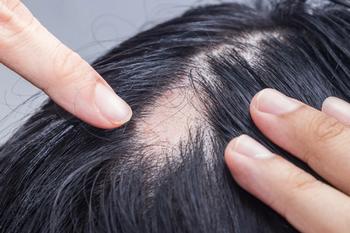
In his presentation at Maui Derm NP+PA Fall 2021, Jerry Shapiro, MD, FAAD, shared his treatment protocols for lupus erythematosus, lichen planopilaris, folliculitis decalvans, and dissecting cellulitis.

Learning to identify some well-disguised drivers of eczema and contact dermatitis can speed patients toward clear or almost clear, according to a presentation at Maui Derm NP+PA Fall 2021.
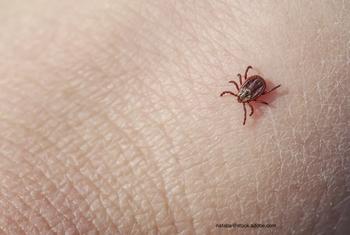
Ted Rosen, MD, and Sheila Fallon Friedlander, MD, discuss infectious disease updates at the virtual Maui Derm NP+PA Fall 2021 conference.

Factors include extent of disease, the latest findings on agents’ efficacy, and even patient weight.

At Maui Derm NP+PA Fall 2021, George Martin, MD, discussed his opinion on best treatment options for SCC in situ and cutaneous SCC at high risk for metastasis along with BCC that require special considerations.

Patients with mild to moderate AD have a new topical treatment option, but physicians will need to prepare for some focused conversations about safety.

At Maui Derm NP+PA Fall 2021, Vikash S. Oza, MD, and Matthew J. Zirwas, MD, discuss the current Rx and Dx of atopic dermatitis in children.
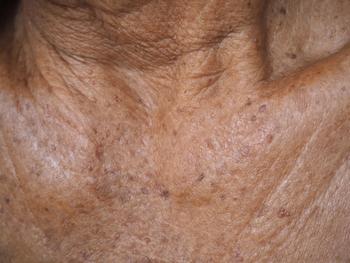
A review of the American Academy of Dermatology guidelines and current treatment improvements for actinic keratosis were discussed during a presentation at Maui Derm NP+PA Fall 2021.

Potential game-changers in the pipeline and newly FDA-approved treatments were highlighted in an overview of new drugs to watch at Maui Derm NP+PA Fall 2021 meeting.
Advertisement
Advertisement
Trending on Dermatology Times
1
AbbVie Files for Vitiligo Indication, Putting Systemic Therapy Under Regulatory Review
2
Icotrokinra Shows Superior Efficacy Over Advanced Oral Therapies in New Psoriasis Meta-Analysis
3
Nutrafol Expands Portfolio with First and Only Hair Loss Supplement for Male Patients 50 and Older
4
Introducing Dermatology Times NP/PA Connect
5