


First-line therapies for hair loss include topicals and supplements, while PRP, low-level light treatment and hair transplantation are adjuncts to first-line options for hair loss, according to Valerie D. Callender, M.D.
First-line therapies for hair loss include topicals and supplements, while PRP, low-level light treatment and hair transplantation are adjuncts to first-line options for hair loss, according to Valerie D. Callender, M.D.

PRP is a revolutionary hair restoration therapy for some patients, but experts say there are still limitations and unknowns.

Galderma is entering phase 3 research with its proprietary strain of clostridium botulinum bacteria, packaged for convenience in a prefilled syringe formulation.

BoNTE is in phase 2 trials and features a clinical profile characterized by a rapid 24-hour onset of action and a two- to four-week duration of effect, offering a limited but useful role in practice.

With an anticipated FDA approval by the end of 2020, DAXI’s has the potential to be a true innovator among toxins featuring a stable proprietary peptide and long-lasting efficacy.

Investigational toxins offer longer duration (DAXI, Revance Therapeutics), short-acting and short-duration benefits (BoNTE, Allergan) and a ready-to-use liquid formulation (QM1114, Galderma).
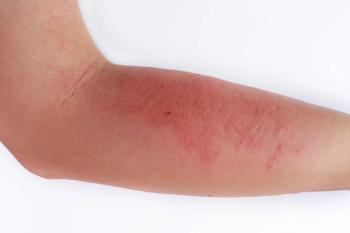
Adult patients with moderate-to-severe atopic dermatitis who were treated with systemic agents, including cyclosporine, azathioprine, mycophenolate mofetil, methotrexate or cyclophosphamide, reported a high level of disease-related burden despite those treatments, says a recent study.

Unscrupulous skin lightening practices are becoming a problem in the United States, according to dermatologist Arianne Shadi Kourosh, M.D., MPH.
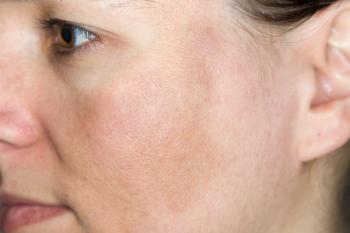
Stem cell factor, a growth factor critical for melanocyte survival, may play an important role in the development of benign and malignant skin hyperpigmentation disorders.
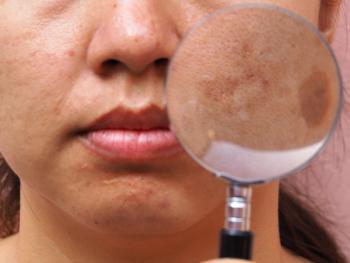
Oral tranexamic acid combined with low fluence 1064 nm Q-switched Nd: YAG laser is an effective and safe melasma treatment, with outcomes that are better than oral tranexamic acid alone, according to a recent study.
Atopic dermatitis therapy is currently undergoing a revolution that promises to treat patients of all ages who are suffering from every aspect of the disease-from rashes, itch and sleep disturbances, to secondary effects, like anxiety and depression.

New York city cosmetic dermatologist Michele Green, M.D., says having a muscle stimulating device can boost a practice’s bottom line but that’s not a given.
Cosmetic physician Tahl Humes, D.O., offers recommendations for doctors who are considering investing in body toning devices.

Rapid Acoustic Pulse (RAP) is FDA cleared as an adjunct to treat tattoo removal — cellulite could be next.

How does an aesthetic practice decide whether to invest in body toning technologies? We asked several aesthetic physicians to share what they’ve learned about what di fferentiates the technologies and more.

It’s an exciting time for atopic dermatitis patients as many new treatment options are on the market and in the pipeline. But treatment doesn’t yet offer a cure and many patients continue to suffer with symptoms, including itch, psychosocial and quality-of-life issues, according to a recent paper.

Abnormalities in epidermal barrier integrity, affecting factors such as epidermal calcium gradients, filaggrin, cornified envelopes, desquamation of corneodesmosomes and skin lipids, may also influence epidermal barrier dysfunction, according to a recent review.
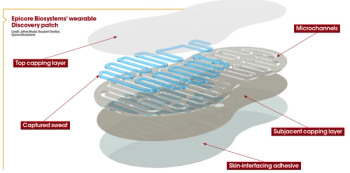
A wearable patch may soon be able to assess in flammatory biomarkers found in the sweat and interstitial fluid in individuals with atopic dermatitis to ultimately provide real-time information about their skin health.

Dermatology Times spoke with Andrew Alexis, M.D., about his more than 15-year impact to the care of patients with skin of color.

Chemical peels offer important advantages for treating melasma. Researchers offer insights from a review of recent advances in chemical peel treatments in melasma and acne.

Melasma responds well to oral and locally injected tranexamic acid treatments, but clinical results from topical tranexamic acid administration have been disappointing, researchers report. They examined efficacy of a co-enhancer as a method to deliver the treatment.
Lifestyle recommendations are a complex aspect of eczema care. There are many things within in a patient's control that can impact severity and dermatologists should try to help patients identify these, one expert says.
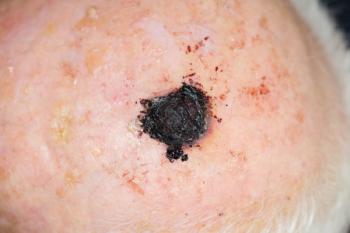
Novartis, Quest Diagnostics collaborate on free genetic mutation testing initiative, The Know Now BRAF program, for patients with stage III or stage IV melanoma.
Jeffrey Sugarman, M.D., Ph.D. provides his insight on the most significant changes in pediatric eczema treatment over the last few years.

Review of scientific data reveals what lipografting does (and does not) achieve in facial rejuvenation.

Fat grafting offers a facial volumizing option to differentiate the dermatology practice and, says Dr. Jeffrey Hsu, this all-in-one technology may simplify the process and deliver reliable results.
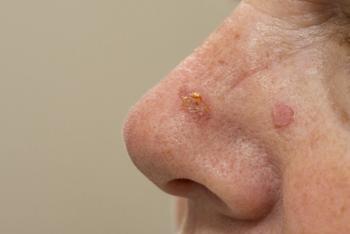
George Martin, M.D., presented diagnostic and treatment tips on actinic keratosis, basal cell carcinoma and squamous cell carcinoma at the Maui Derm NP + PA summer 2019 meeting.
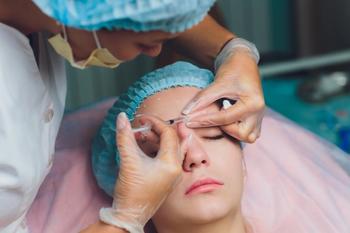
Kevin S. Pinski, M.D., shared what providers need to know and do to prevent and manage injectable complications at the Maui Derm NP + PA summer 2019 meeting.
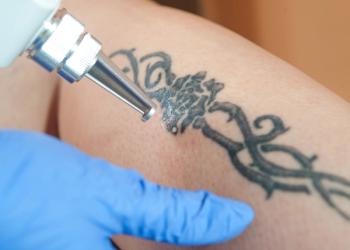
Tattoo regret is real. Removal innovations help to address unwanted treatment-related issues.

Pipeline topical silver photo-particle solution aids laser in removing tough-to-treat white, gray, blonde, light red and light brown hair.