

Clascoterone 1% cream is in late stage development for acne treatment and in a higher strength solution for androgenetic alopecia. Read more about this novel treatment here.
Clascoterone 1% cream is in late stage development for acne treatment and in a higher strength solution for androgenetic alopecia. Read more about this novel treatment here.

Expert advice on how to get patients to review your practice and (importantly) put it in a positive light.

Rosacea is often underdetected and misdiagnosed in skin of color patients. This expert wants to increase dermatologists’ awareness of how rosacea might present differently in skin of color and how best to treat it without causing post-inflammatory hyperpigmentation.
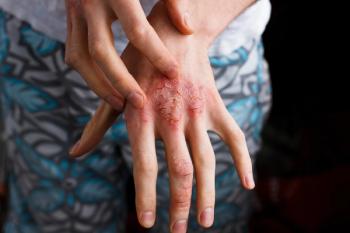
Real-world outcomes from treating adults with moderate-to-severe atopic dermatitis with dupilumab are similar to what researchers have found in clinical trials, according to this study.

What were the treatment trends of 2018 according to ASDS research? Joely Kaufman, M.D., chair of the ASDS survey work group, explains.

Bioidentical hormones have been shown to decrease and prevent the risk of Alzheimer’s, osteoporosis and heart disease, which parallels the increased risk that comes with aging. Should you be offering HRT to your patients?

With 4 decades of dermatology advances, we asked the very dermatologist experts who we often contact to help us to report on the milestones to weigh in on what they think have made the most difference in theirs and their patients’ lives.
Bioidentical hormones have been shown to increase skin hydration and reduce skin atrophy. Dr. Ronald Moy discusses the benefits - and the hormones themselves - in the context of the aesthetic practice.

Over the past 40 years, there have been major dermatological breakthroughs that have changed the way doctors treat patients, along with the very treatments they use.

A small study examines platelet-rich plasma injection as alternative or adjuvant melasma treatment.

Patients with pigmentary disorders suffer high frequency of psychological disturbances, including anxiety and depression.

New options may be possible for treatment-resistant and severe rosacea with the use of IL-17 inhibitors as researchers conduct studies on effectiveness.

Niki Vora reflects on how her struggles with untreated atopic dermatitis, folliculitis and cystic acne led her to writing her scholarship-winning essay.
Today, the U.S. Food and Drug Administration approved the topical retinoid trifarotene 0.005% (AKLIEF, Galderma) for the treatment of acne vulgaris.

Topicals aimed at reviving estrogen-deficient skin and warding off damage from UV rays hours after exposure, while repairing DNA, are among the new cosmeceutical innovations backed by science.

Although most skincare innovations happen in the medically dispensed lines before mass market availability, Dr. Vivian Bucay points out that there are lower priced options backed by science that dermatologists can confidently recommend to patients looking for effective skincare products.
Are there effective hyperhidrosis treatments that patients can better afford and tolerate? Dr. Jisun Cha discusses practical points of diagnosis and treatment.
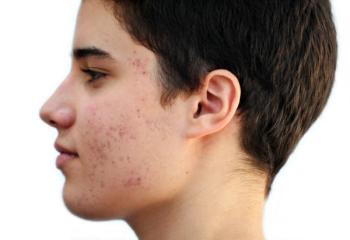
Are your patients happy with their current acne treatment? These five new therapeutic options could offer better results, according to several studies.
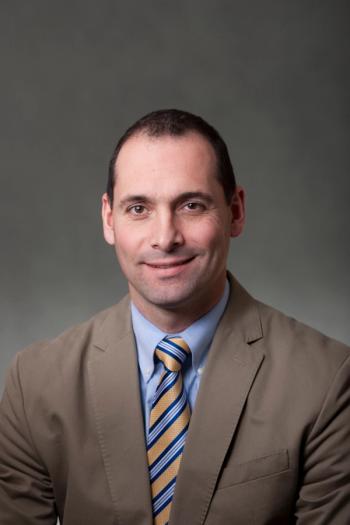
Could telemedicine prove to be a plastic surgery provider and patient pleaser after all? Dr. John F. Nigriny talks real-time continuity of care.
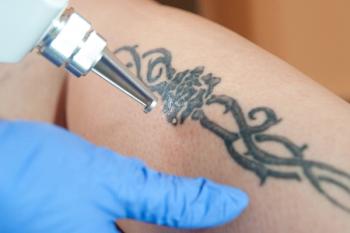
Tattoo regret is real. Removal innovations help to address unwanted treatment-related issues.

Because nobody wants unhappy patients. Learn how to help yours avoid procedure regret from a few of these RealSelf patient stories.


From sunscreen in a stick to niacinamide, and a non-hydroquinone, retinol-free skin tone corrector, these are among the promising treatments for hyperpigmentation.

Dermatologists should not depend on a rescue approach for atopic dermatitis flares, says a recent paper. Instead, they should talk with patients about newer treatment options that could offer long-term disease with minimal adverse events.
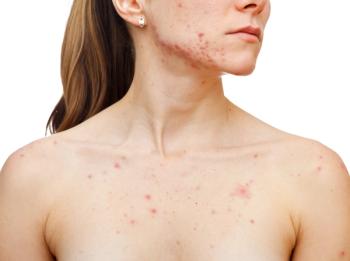
Phase 3 studies suggest new topical retinoid effectively treats facial and truncal acne.
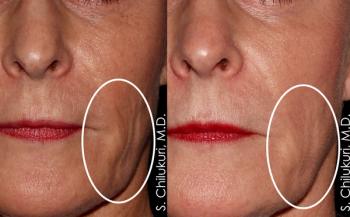
From automation to application-driven menus, laser technology companies are rolling out devices and handpieces designed to deliver better results and safety profiles.

Novel treatments for rosacea such as intradermal botulinum toxin-A and light therapies show promise, but more data is needed to prove their efficacy and safety in this patient population, says a recent paper.
Acoustic waves help to improve wound healing by increasing the release of systemic growth factors, but can they be used to effectively minimize post-cosmetic surgery scars?

Anticipating the FDA clearance in the fourth quarter of this year, Recros Medica plans to first launch Nuvellus to a limited number of medical aesthetic providers followed by a broad market rollout.

Researchers examine a microdermal grafting technique for hard-to-treat hypopigmented scars.