

Minimally invasive treatments can help to make an older neck look younger, but it’s usually not enough, say two experts who share their favorite approaches.
Minimally invasive treatments can help to make an older neck look younger, but it’s usually not enough, say two experts who share their favorite approaches.

It’s no secret that antibiotics have been successful in controlling most acne cases, but the need to limit antibiotic use means acne treatment protocols are starting to shift. William James, M.D. emphasizes two alternatives dermatologists should turn to when treating patients with acne.
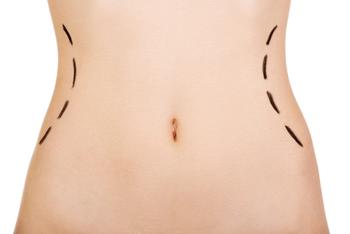
Inquiring minds at Cynosure wanted to know what inspires women to make a body change and surveyed 1,000 women in the UK to find out.

What does that mean for providers who offer the body contouring and muscle defining technology? Experts weigh in.

A recent paper offers recommendations to early career surgeons for using social media ethically during and after residency.

Technology keeping you tethered to work? It’s time to unplug.

Pearl E. Grimes, M.D., discusses the complexities of melasma and the need for a multimodal treatment approach.
Could this new drug delivery system for tranexamic acid optimize melasma treatment? Joel Cohen, M.D., thinks it could be just what the specialty has been looking for.

Molecular surgery makes it possible to reshape cartilage without cutting, suturing, recovery or scars.
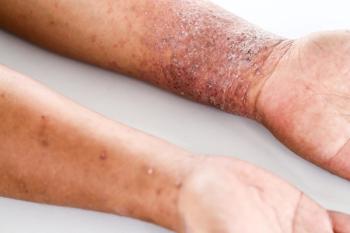
Are you training your patients on how to use their self-injectable medications safely and effectively? If not, you may want to start, according to researchers of a recent study, which examined patient behavior surrounding self-injection devices.

Changes are coming that may affect the practice of dermatology, but dermatologists can help to influence that change by participating in key initiatives. In this article, we highlight the three different initiatives you should have on your radar.
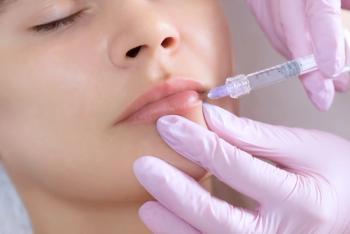
Study authors describe results of a surgical technique used to remove permanent lip fillers.

CBD oil may offer a spectrum of health benefits, including the treatment of skin disorders, but experts say claims are more anecdotal than scientific.

Crown Laboratories, long anchored by its Blue Lizard Australian Sunscreen business, recently added the Vita Liberata beauty and Bellus Medical aesthetics divisions to their portfolios.

Animal study suggests age may be a factor in fat graft volume retention.

Research is needed to clarify human skin microbiome relevance for skin health, dermatologic disorders.
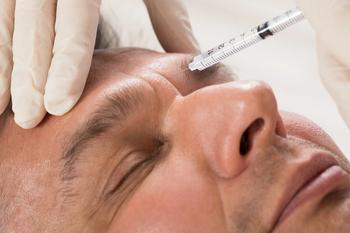
Strategic selection of HA fillers based on G′ may provide better outcomes for correction of soft-tissue volume loss and facial rejuvenation.

Researchers evaluate brow position post glabella + frontalis treatment with abobotulinumtoxinA.
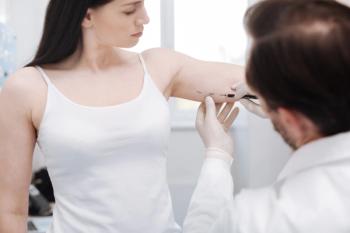
Circumferential liposuction procedure reduces arm circumference, tightens skin.

Researchers compare the effectiveness, safety and cost-effectiveness of four energy-based tissue dissection devices.
What do you say when patients ask about the microbiome, blue light and ‘green’ products? One expert helps separate merit from marketing hype.
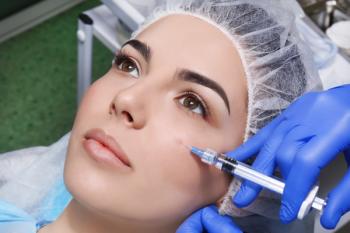
Fillers come with risks. Researchers propose keeping an HA crash kit on hand to treat and manage injection-related complications for skin necrosis, blindness and anaphylaxis.

Some might view the use of non-human intelligence in dermatology as a threat. But this expert believes it's up to dermatologists to transform this technology into an opportunity to ‘augment' clinical practice.

Dermatologists and their patients are among those tapping into a growing market for apps that claim to help diagnose, treat and prevent skin cancers, including melanoma.

DAXI clinical trials suggest duration as differentiator with Revance’s proprietary peptide technology.
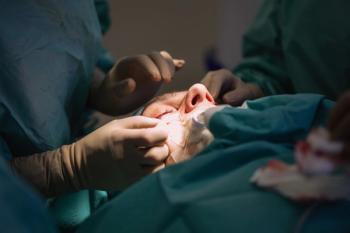
Small study suggests botulinum toxin A injections may improve skin scarring.

Medications to treat acne take time to work and might not clear acne completely. To enhance outcomes from acne medications, this expert uses energy-based devices.
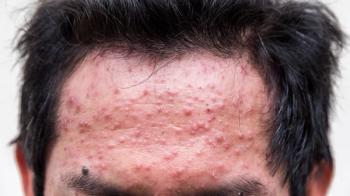
Treatment guidelines for mild, moderate and severe acne have evolved based on early and persistent inflammatory response in the development of acne.

Researchers offer a way to introduce nanofat to the papillary dermis using a microneedling device with manual pumping action.
Physician assistants like to give back and the profession has taken note. Dermatology Times corresponded with representatives from three foundation that want to provide resources for PAs who are interested in giving back. Here's what they had to say. Participate in this forum.