


Cancer staging systems for squamous cell carcinoma have helped improve dermatologists’ ability to accurately stage the cancer, according to one expert.
Cancer staging systems for squamous cell carcinoma have helped improve dermatologists’ ability to accurately stage the cancer, according to one expert.

Arianne Shadi Kourosh, MD, MPH, and Joe Niamtu, III, DMD, discuss adverse event reporting resources for COVID-19 vaccine filler reactions and the potential treatments when they occur.

The small incidence of COVID-19 vaccine induced filler reactions have raised new concerns pertaining to immunogenic activation and how to minimize potential risks.

Physicians discuss 2021 neurotoxin FDA-approvals, phase 3 trials, new indications, and introductions into the U.S. market.

Brian S. Biesman, MD; and Michael H. Gold, MD, discuss the state of injectables in 2021, including renewed interest in biostimulators, dermal fillers and neurotoxins hitting the US market, along with a focus on expanding indications.

In the Moderna coronavirus disease 2019 (COVID-19) vaccine trials, 3 participants reported facial or lip swelling after receiving the vaccine. ASDS guidelines state that patients with a history of dermal filler injections should not void vaccinations

Physicians highlight their favorite products, including skincare with DNA repair, antioxidants, and the introduction of skin wellness.

Joel Schlessinger, MD, and Vivian Bucay, MD, discuss the increased interest in clean beauty, what the term means, and why not all products claiming the moniker live up to the same standards.
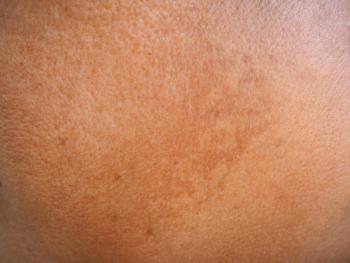
Findings from two recent pilot studies suggest 1927 nm fractional thulium fiber laser-assisted topical tranexamic acid delivery is a safe, effective melasma treatment option.
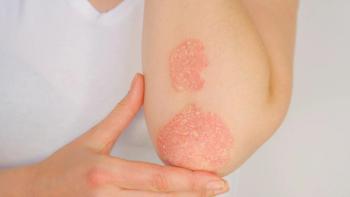
A recent study found patients with high baseline cardiovascular risk who had taken ustekinumab were at increased risk for developing severe cardiovascular events following treatment.

Dermatologists should consider assessing melasma patients for increased vascularity and include antivascular treatments to improve outcomes among patients whose lesions have a vascular component.

Dr. Paul Carniol doesn’t advertise injectable prices but does pass along company savings to patients.

Dustin Sjuts, CCO, Revance, says the company aims to elevate the patient dermal filler experience by emphasizing experience and quality over price.

Researchers are looking at treating blastic plasmacytoid dendritic cell neoplasm (BPDCN), an aggressive hematolymphoid malignancy, with investigational agents equipped with different mechanisms of action, including XmAb14045 and IMGN632.

U.S. Surgeons weigh in on the Subfascial Ergonomics Axillary Hybrid approach to secondary breast augmentation using an axillary incision.

Brazilian plastic surgeon shares algorithm for transaxillary approach in secondary breast augmentation.

Study evidence for at-home hair treatment devices is mixed. Some show promise while others don’t, suggesting more research is needed.

The pandemic has fueled high demand for at-home hair growth devices, making it especially important to become familiar with consumer options.

A recently published article details the clinical and biological features, and patient outcomes of blastic plasmacytoid dendritic cell neoplasm (BPDCN), a rare hematopoietic malignancy.

B-cell lymphoma-2 inhibitor venetoclax has shown in clinical studies to improve symptoms with minimal toxicity in patients with cutaneous blastic plasmacytoid dendritic cell neoplasm (BPDCN), an aggressive hematologic cancer that can be rapidly fatal without treatment.
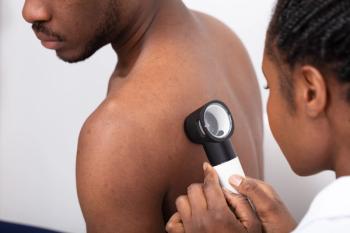
A majority of psoriasis patients in phase 3 clinical trials for biologics are white, says authors of a recent study. As ethnicity and race may play a role in response to biologics, researchers emphasize need for more diversity in clinical trials.

Hair practices can be lucrative, but smarts and know-how are essential for sustainability.

Hair loss is a hybrid disorder, requiring a medical foundation in how to diagnose hair loss and skill sets in procedural treatments.
Cysteamine cream and tranexamic acid mesotherapy demonstrated similar efficacy but yielded different safety results when being compared as a treatment for melasma, according to a recently published study.
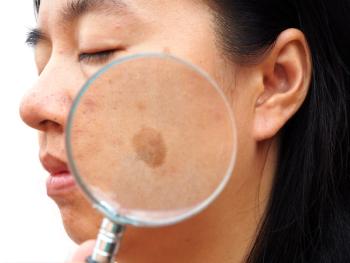
Lasers typically used for tattoo removal are on the rise as a possible treatment for melasma, with the novel 730 nm picosecond laser (PicoWay, Candela) being the most recently studied device which showed to be safe and effective for treating benign pigmented lesions.

Several CD123-targeted therapies have been in development following the FDA’s 2018 approval of tagraxofusp for the treatment of blastic plasmacytoid dendritic cell neoplasm (BPDCN), but important questions remain when it comes to targeting CD123 in myeloid malignancies.
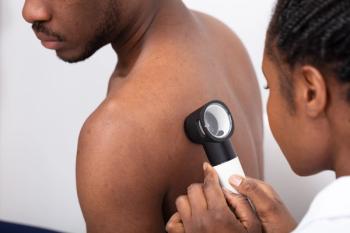
Today's universal improvement in melanoma survival is encouraging. But the reality is racial disparities aren’t going away and in some cases are getting worse.

The problem of sensitive skin has risen dramatically in the last decade, highlighting the need for affordable, effective and scientifically-formulated and tested products designed especially for people with sensitive skin.
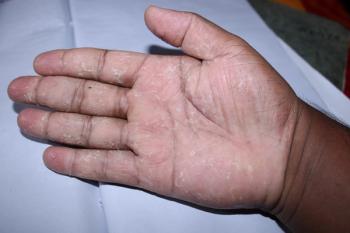
An overwhelming majority of subjects in phase 3 psoriasis clinical trials are Caucasian, leaving unanswered questions about how one’s ethnicity or race might impact the safety and efficacy of today’s psoriasis treatments, according to a research letter published August 7 in the British Journal of Dermatology.

Findings from a recent study support current recommendations to treat patients with BPDCN with tagraxofusp or hyper-CVAD as first-line treatments, then with allogeneic stem cell transplant if patients are eligible.