Preview the trial data dermatology NPs and PAs will dissect in small-group sessions on AD, psoriasis, and type 2 disease at Horizons in Advanced Practice.
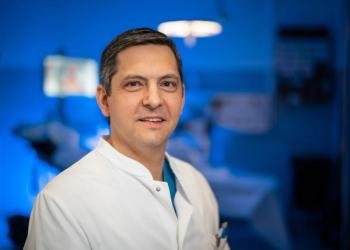
Dylan Timmermann, PA-C, reflects on the experiences that shaped his career trajectory in dermatology and offers insights relevant to physician assistants and nurse practitioners entering the specialty.
WATCH TIME: 20 minutes | Captions are auto-generated and may contain errors.
In the latest episode of the
Timmermann mentioned that his interest in dermatology developed during his undergraduate education in cell and molecular biology, when a professor connected him with a local dermatology practice seeking pre-PA and pre-medical students to work as medical assistants and scribes. The experience provided a firsthand view of dermatology practice and patient relationships.
“I just absolutely fell in love with it,” Timmermann said, noting the meaningful patient interactions he observed among dermatology providers. “The dermatology providers were able to really form this connection with their patients.”
He described dermatologic care as uniquely relational, pointing to the trust patients place in clinicians during full skin examinations and sensitive clinical encounters. In addition, the ability to see visible clinical improvement over relatively short time frames reinforced his interest in the field. “I love the instant gratification of being able to fix an issue… and see that improvement relatively quickly,” he said.
Despite prior dermatology experience as a medical assistant and biologic coordinator, Timmermann acknowledged that securing a dermatology position as a new graduate required persistence. He described the dermatology job market as competitive, with many practices hesitant to hire new graduates without specialty experience.
To strengthen his candidacy, Timmermann enrolled in the diplomate fellowship program through the Society of Dermatology Physician Assistants (SDPA) while interviewing for positions. He credited the program with expanding his clinical knowledge and demonstrating commitment to the specialty.
“I started the diplomate fellowship with the SDPA during my interview process, which was huge in my learning,” he said.
Timmermann also adopted a proactive job-search strategy that included contacting dermatology offices directly and leveraging professional networks, including pharmaceutical industry representatives familiar with local practices. Ultimately, he received multiple offers and began practice approximately 6 months after graduation.
During the discussion, Timmermann noted that many PA programs provide limited dermatology exposure, often through brief elective rotations. Without his prior dermatology experience, he said he likely would have felt “tremendously underprepared” entering clinical practice.
He suggested that stronger collaboration between PA programs and dermatology organizations could help students interested in the specialty gain earlier exposure and mentorship opportunities.
Block echoed the importance of mentorship within dermatology practices, emphasizing that physician mentorship and structured learning are essential when integrating new PAs into dermatology care teams.
Beyond clinical practice, Timmermann has begun organizing a dermatology society for PAs and nurse practitioners in the Kansas City metro area. The group meets quarterly for industry-supported educational sessions, journal discussions, and case-based collaboration.
The goal, he explained, is to create a forum where clinicians can share clinical insights and practical strategies. “We invite people to bring difficult cases, and we can discuss that together,” he said.
Timmermann also highlighted the value of professional engagement through organizations such as the SDPA and early-career leadership initiatives. Encouraging colleagues to participate in advocacy and mentorship, he emphasized that even small contributions can strengthen the profession.
“You don’t have to be the face of something,” he said. “Even something as small as signing letters to legislators or coming to these journal clubs… helps build those connections.”
Like this podcast, have suggestions, or want to participate in future episodes? Contact our team at