

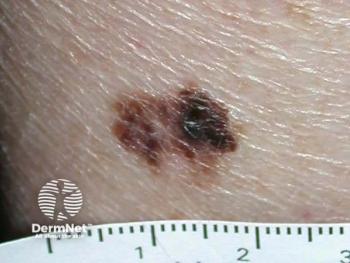
Nearly half of patients with melanoma experience significant distress, affecting treatment adherence and quality of life.
Nearly half of patients with melanoma experience significant distress, affecting treatment adherence and quality of life.

Dermatology Times is recapping our exclusive expert interviews from the month of March.

Catch up on dermatology news, highlights, and insights from the past 24 hours.
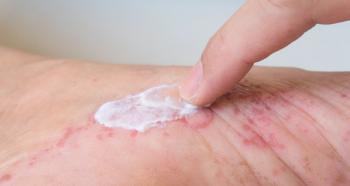
Use of the product showed positive changes in the skin’s hydration, lipid content, transepidermal water loss, and erythema.
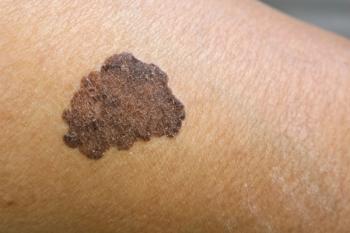
A study shows active educational interventions improve melanoma detection rates and rule application, with lasting effects over time.

Researchers behind a recent review shared expert insights, treatment guidelines, and differential diagnosis techniques for pediatric rosacea.

When compared to a non-active product, the formula improved texture, reduced erythema, and strengthened the skin barrier.
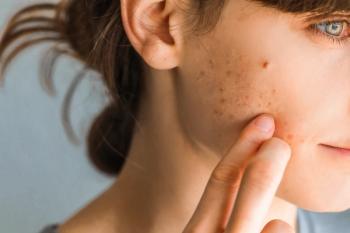
Targeting type 2 cytokines with monoclonal antibodies has revolutionized treatment for inflammatory skin diseases, reducing symptoms and improving quality of life.

This review of the latest dermatologic studies includes insights into atopic dermatitis, including results from a novel topical CBD application, skin mycobiome comparison, and more.
Catch up on dermatology news, highlights, and insights from the past 24 hours.
An expert panel of clinicians provided insights on first-line treatments, maintenance strategies, and flare management for AD.

The novel treatments will be for patients with orphan conditions like Netherton Syndrome, Peeling Skin Syndrome, SAM Syndrome, and palmoplantar keratoderma.

A study reveals that biologics targeting IL-12, IL-23, and IL-17 lower the risk of serious infections in older adults with psoriatic disease.

Research suggests that neomycin allergy may be underdiagnosed despite its common use in medical and cosmetic formulations.

Nanoneedles boosted CRISPR base editing efficiency in RDEB fibroblasts, enabling precise COL7A1 correction and improved cell function.

Each treatment had benefits and disadvantages for patients who struggle with rosacea-associated erythema.
In part 3 of this Frontline Forum supplement, experts discuss surgical innovations in HS, setting treatment expectations, and more.
Catch up on dermatology news, highlights, and insights from the past 24 hours.
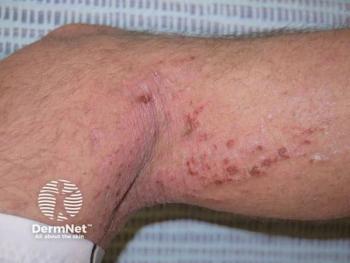
The study identified 2 fungal profiles in AD patients, with 1 subgroup exhibiting distinct fungal dysbiosis.

Asha Patel Shah, MD, MBA, FAAD, discusses recent research on retinol and retinoid bioactivity when layered with moisturizers highlighted at AAD 2025.

Participants from the parent DELTA 1 and 2 studies maintained their disease control and observed a decrease in pain and itch over 52 weeks of treatment.

Researchers have identified elevated eosinophil levels as a potential marker for chronic urticaria in pediatric patients.

At the 2025 AAD Annual Meeting, Alumis Inc. presented promising phase 2 STRIDE trial results for ESK-001, a TYK2 inhibitor showing sustained psoriasis improvements over 52 weeks.

As a featured clinician in EltaMD’s Derm Day campaign, Mona Gohara, MD, spoke about her connection with the brand and the work being done to unify dermatologists and promote skin health.

The lowest-dose oral minocycline for rosacea is now available by prescription following FDA approval in November 2024.

CBD skin care is booming, but are patients getting real benefits? Learn about CBD legality, safety, and potential dermatologic effects.
Explore the top headlines of the week including insights on voluntary recalls, DIMIDs and pandemic risks, and AAD pearls.

Test your knowledge of key words and terms associated with dermatology news from the previous week.

In case you missed it, this week we had news about positive results from Incyte’s phase 3 STOP-HS trials, multidisciplinary approaches to advanced BCC and CSCC, pediatric ocular adverse effects associated with dupilumab, and more.
This week, we feature top articles from our sister publications on long COVID recovery, integrating AI into pharmacy, and more.