

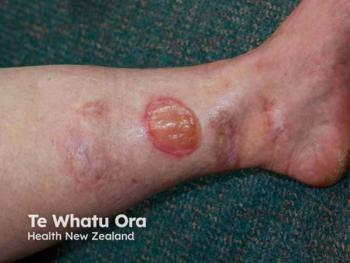
Nearly half of the surveyed patients identified a negative impact of their wounds on daily life, particularly at work.
Nearly half of the surveyed patients identified a negative impact of their wounds on daily life, particularly at work.

Eichenfield discusses safety, lab monitoring, and treatment positioning of icotrokinra in adolescents with moderate to severe plaque psoriasis.
Strengthening interdisciplinary relationships remains a central part of Baker’s focus.

Anastasia Georgievskaya reflects on the success of SkinGPT and reveals upcoming plans and potential advancements in artificial intelligence and dermatology.

While dietary changes can help slightly, they’re not a cure-all for most patients with AD.

Keratin hair treatments straighten, smooth, and add shine—though formaldehyde risks raise safety concerns for dermatologists and salon professionals.

Explore the top headlines of the week including insights on the latest clinical trials, therapeutic updates, and more.

Test your knowledge of key words and terms associated with dermatology news from the previous week.

In case you missed it, this week we had news about HyBryte's treatment success in CTCL patients, the impact of the COVID-19 pandemic on BCC surgeries, the FDA approval of dupilumab for H1 antihistamine-refractory CSU, and more.

Catch up on dermatology news, highlights, and insights from the past 24 hours.

As a patient with rosacea herself, Anastasia Georgievskaya highlights the innovation of Generative Skin in patient education.
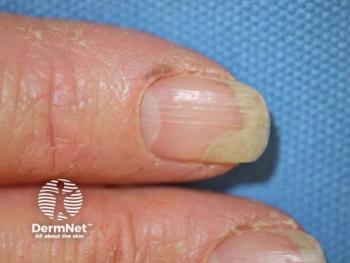
Trials often exclude high-risk patients, limiting the real-world relevance of their safety findings.

Solid organ transplant recipients saw a 79.6% decrease in lesions 12 weeks after the treatment sessions.
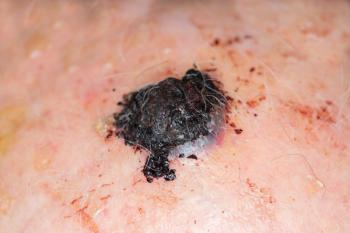
New prospective data from the DECIDE study reinforce the role of the 31-GEP test in clinical decision-making.

Dupilumab becomes the first targeted therapy approved for chronic spontaneous urticaria in more than a decade.
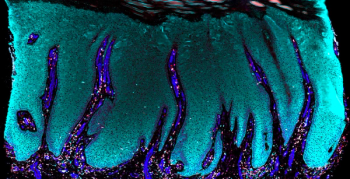
Spearheaded by John Zampella, MD, FAAD, and Mitchell Hanson, the project highlights how art can foster community and empathy in dermatology.

QRPs are key to dermatologists' retirement plans—learn the benefits, drawbacks, and how to choose the best strategy for your financial goals.
Catch up on dermatology news, highlights, and insights from the past 24 hours.

Pelthos and Channel Therapeutics will merge to form a new publicly traded entity focused on commercializing the first at-home treatment for molluscum.
Having multiple therapeutic options would allow clinicians to tailor treatment and offer hope to patients who don't respond initially.

Haut.AI’s new tool promotes inclusive and realistic conversations on the power of skincare products, according to the CEO.
Patients undergoing plastic surgery have the highest prevalence of BDD at 24%.
Eichenfield discusses high skin clearance and safety in teens with psoriasis, per new ICONIC-LEAD phase 3 data.

Additionally, BCC surgery candidates have been older with more comorbidities since the pandemic began.

From our April issue: Unlock exclusive AAD 2025 insights from top dermatology experts—what you missed and what’s next.
Catch up on dermatology news, highlights, and insights from the past 24 hours.

Raj Chovatiya, MD, PhD, MSCI, reviews the benefits of Revolutionizing Atopic Dermatitis as a disease-specific conference.

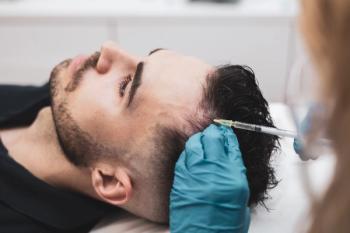
The pilot study showed notable decreases in mean melanin index after 3 sessions of PRP injections.

Genetic proxies for PCSK9 inhibition were consistently associated with reduced vitiligo risk across 2 biobanks.

Colleagues, mentors, and patients gathered to discuss Kwatra’s immense achievements throughout his career and the milestones that led to his endowed position.