


Catch up on dermatology news, highlights, and insights from the past 24 hours.
Catch up on dermatology news, highlights, and insights from the past 24 hours.

Raj Chovatiya, MD, PhD, MSCI, reviews the limitations of chronic steroid use and highlights available topicals, including ruxolitinib, roflumilast, and tapinarof.

At a recent Dermatology Times Case-Based Roundtable event, Lisa Swanson, MD, discussed 3 diverse atopic dermatitis patient cases.

The developement of bempikibart offers hope for effective treatment of severe alopecia areata amid unmet medical needs.
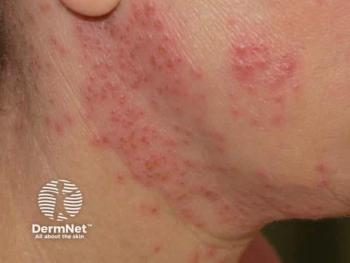
New research reveals JAK inhibitors for atopic dermatitis do not increase cardiovascular or cancer risks compared to IL-4/-13 inhibitors, offering reassurance for patients.
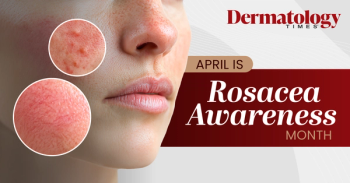
Explore the latest insights, strategies, and treatments for patients with rosacea as Dermatology Times looks back on Rosacea Awareness Month.
Dermatology Times is looking back on the top stories in dermatology from the month of April.

Explore the top headlines of the week including insights on recalls, expert pearls, and more.

This review of the latest dermatologic studies includes insights into the environmental impact of dermatology, submicrobial dosing of antibiotics in dermatology, and more.

Catch up on dermatology news, highlights, and insights from the past 24 hours.

Acting upstream of cytokines may hold the key to improving biologic efficacy and itch relief in AD.

Younger patients with moderate to severe psoriasis exhibit risky sun exposure behaviors, raising concerns about tanning addiction and skin cancer risks.
Dermatology Times is recapping our exclusive expert interviews from the month of April.

The innovative 21-item Hair & Scalp CARE questionnaire is designed to evaluate the psychological impact of hair and scalp conditions on quality of life.

The FDA approved pz-cel, a groundbreaking gene therapy for recessive dystrophic epidermolysis bullosa, transforming treatment options for patients.
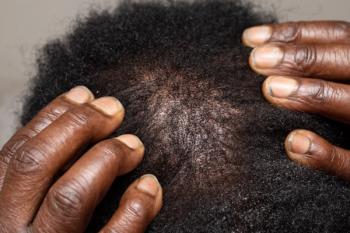
JAK inhibitors show promise in treating alopecia areata among Black patients, highlighting the need for inclusive clinical research and equitable access to therapies.

Catch up on dermatology news, highlights, and insights from the past 24 hours.
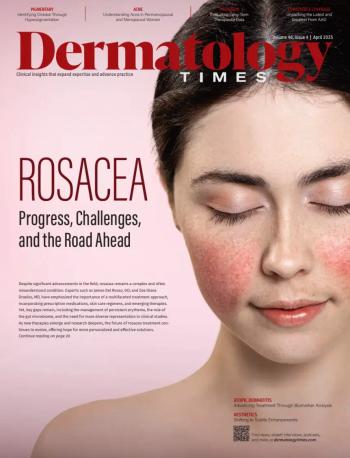
Learn more about the in-depth topics covered in the April 2025 print issue of Dermatology Times.

The groundbreaking GLPSGLT serum enhances skin quality for GLP-1 RA users, improving elasticity and reducing wrinkles in just 6 weeks.

Discover cutting-edge insights on atopic dermatitis at RAD 2025, featuring expert discussions and the latest therapies to enhance your practice.

A new study reveals a significant link between acne prevalence and high BMI in Sudanese adolescents, highlighting gender differences and the need for further research.


A new study reveals ongoing burden of moderate to severe atopic dermatitis in youth, with flares, comorbidities, and quality of life impacts.

Explore the top headlines of the week including insights on the latest clinical trials, therapeutic updates, and more.

Test your knowledge of key words and terms associated with dermatology news from the previous week.

In case you missed it, this week we had news about the future of regenerative aesthetics, biologic therapies for bullous pemphigoid, phase 3 trial results for Qtorin 3.9% rapamycin gel, and more.
This week, we feature top articles from our sister publications on regulatory updates, clinical trial insights, and more.
Catch up on dermatology news, highlights, and insights from the past 24 hours.
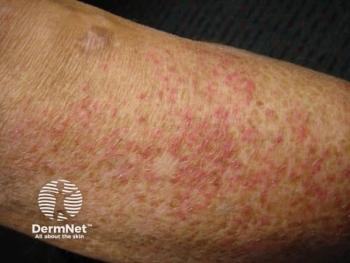
Explore the effectiveness of basic emollients in treating xerosis cutis associated with atopic dermatitis, enhancing skin hydration and barrier function.

Sophisticated colloidal oat emollients show promise in effectively managing pediatric atopic dermatitis, enhancing skin hydration and reducing flare-ups in infants.