

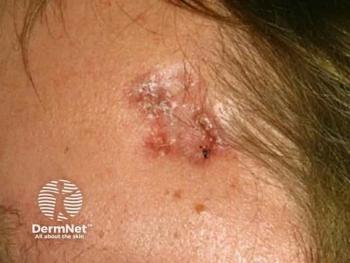
High response rates and no systemic toxicity in multiple nonmelanoma skin tumors were observed in this vulnerable patient population.
High response rates and no systemic toxicity in multiple nonmelanoma skin tumors were observed in this vulnerable patient population.

Tapinarof offers sustained relief for atopic dermatitis, enabling treatment-free periods and long-term disease control—even in young children.

This review of the latest dermatologic studies includes insights into dermatologic associations in patients with Crohn disease, the prevalence of tinea pedis in pediatric populations, and more.

Catch up on dermatology news, highlights, and insights from the past 24 hours.

Improvements in hydration, erythema, itching, and burning were observed after 12 weeks of treatment for papulopustular rosacea.
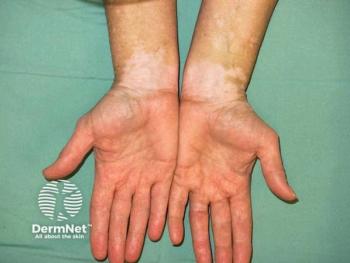
Phototherapy, commonly used for vitiligo, might help reduce cardiovascular risk through anti-inflammatory effects.

Corticosteroids, calcineurin inhibitors, and fractional CO2 laser were also effective in achieving high levels of repigmentation.

The funds will target programs for chronic pruritus, atopic dermatitis, and other inflammatory skin conditions.

Evommune has initiated a global phase 2b trial of EVO756, a first-in-class MRGPRX2 antagonist, for moderate to severe CSU.

In a large study, nearly half of SIND patients also had other BFRBs like skin picking or hair pulling.

Facial hyperpigmentation may signal systemic disease. Dermatologists must assess beyond melasma to ensure timely, accurate diagnosis and care.

Catch up on dermatology news, highlights, and insights from the past 24 hours.

A recent study reveals that women with psoriasis are more likely to discontinue biologic treatments, including IL-17 and IL-23 inhibitors, due to adverse events and treatment dissatisfaction.

Skin laxity improved by 34% with a moderate rate of improvement in female participants.
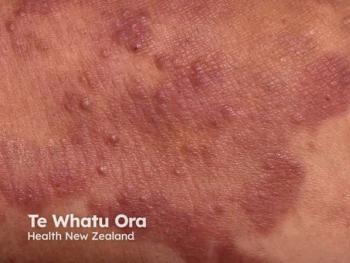
Interim FDA-funded study results show HyBryte delivers rapid, sustained response and strong safety in early-stage CTCL patients.

The novel formulation was compared to a petrolatum-based diaper and was found to be just as effective for irritation and redness.

Untreated or undertreated AD can lead to poor sleep, infections, and stunted development.

Experts explore how rosacea research is evolving, with new treatments, gaps in care, and a push for more inclusive, targeted approaches.

Explore the top headlines of the week including insights on infection risks, drug updates, and more.

Test your knowledge of key words and terms associated with dermatology news from the previous week.

In case you missed it, this week we had news about Alphyn Biologics' first patient dosed with zabalafin hydrogel, abrocitinib for Netherton Syndrome, the ICONIC-LEAD phase 3 study, and more.

This week, we feature top articles from our sister publications on FDA approvals, innovative tech updates, and more.

Catch up on dermatology news, highlights, and insights from the past 24 hours.

Satisfaction levels remained high at 12 weeks post-treatment among those who received acupuncture.
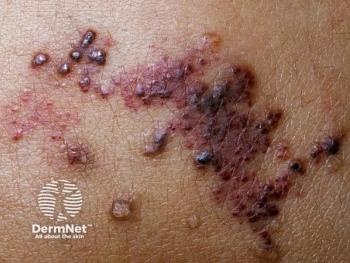
The presentation, led by Amy Paller, MS, MD, highlighted the upcoming phase 3 SELVA study for microcystic lymphatic malformations.

While approved for vitiligo and atopic dermatitis, ruxolitinib cream may help treat other inflammatory skin diseases.

Subcutaneous methotrexate may offer improved efficacy and patient adherence in psoriasis treatment, though it comes at a higher cost.

The company also announced in a press release that the product received the Seal of Acceptance by the NEA.

Menopausal acne is rising yet underexplored; treatment must address hormonal shifts, skin sensitivity, and patient emotional well-being.

Catch up on dermatology news, highlights, and insights from the past 24 hours.