


Discover innovative rosacea treatments combining injectable hyaluronic acid with traditional therapies to enhance skin health and boost patient confidence.
Discover innovative rosacea treatments combining injectable hyaluronic acid with traditional therapies to enhance skin health and boost patient confidence.

A recent meta-analysis evaluates the efficacy and safety of various JAK inhibitors for alopecia areata, highlighting 12 mg twice daily deuruxolitinib as the most effective treatment.
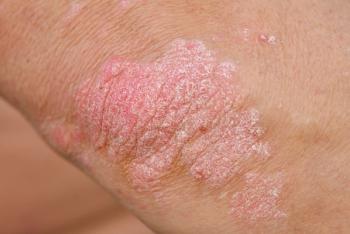
VYNE Therapeutics paused its VYN202 trial for psoriasis due to an FDA-issued clinical hold.

Discover how the RAD conference in Nashville enhances atopic dermatitis care, featuring expert insights and patient-focused strategies for clinicians.

Catch up on dermatology news, highlights, and insights from the past 24 hours.
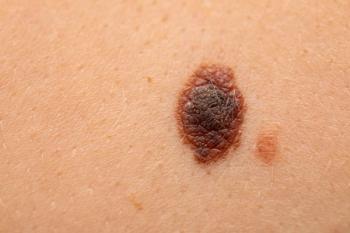
New research reveals that early discontinuation of adjuvant immunotherapy for melanoma does not lead to worse outcomes.

A pilot study reveals a dual-length microneedle RF device effectively reduces neck wrinkles by 35%, enhancing skin hydration and elasticity with minimal downtime.

Discover how upadacitinib outperforms dupilumab in providing rapid itch relief for moderate-to-severe atopic dermatitis in a recent AAD study.
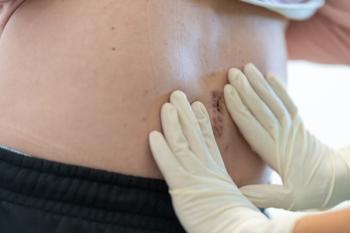
Explore how tyrosine kinase inhibitors hinder wound healing, revealing critical insights for clinicians in dermatology and oncology.

AbbVie seeks FDA approval for TrenibotE, a first-in-class botulinum toxin offering fast onset and short duration for glabellar lines.

DLQI score reduced by 61.8% and SCORAD score reduced by 41.8% in patients after 28 days of treatment.

Dermatology undergoes rapid transformation with new therapies, but faces challenges in payment reform, certification awareness, and balancing technology with patient care.

Catch up on dermatology news, highlights, and insights from the past 24 hours.

Paller discusses the promising phase 3 trial SELVA trial results for Qtorin 3.9% rapamycin gel, an investigative treatment for microcystic lymphatic malformations.
Raj Chovatiya, MD, PhD, MSCI, provides insights on the clinical advantages of JAK inhibitors for atopic dermatitis.
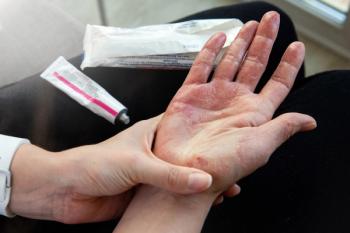
Omar Noor, MD, FAAD, explores the complex immune and cellular mechanisms behind CHE and highlights its significant physical and emotional toll on patients.
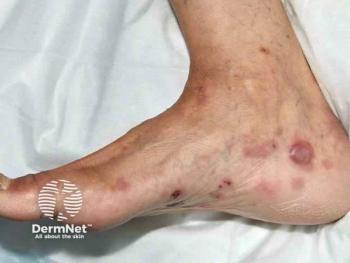
Complete remission was achieved in over 87% of dupilumab users and 64% of omalizumab users.
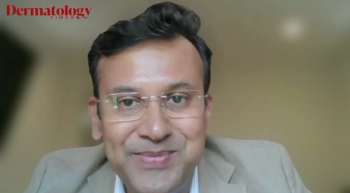
While products like growth factor skincare already have demonstrated benefits, this is only the beginning, according to Prithwiraj Maitra, PhD.


This review of the latest dermatologic studies includes insights into epidermolysis bullosa for primary care providers, patient-reported impact of atopic dermatitis on pediatric and adolescent patients, and more.
Catch up on dermatology news, highlights, and insights from the past 24 hours.
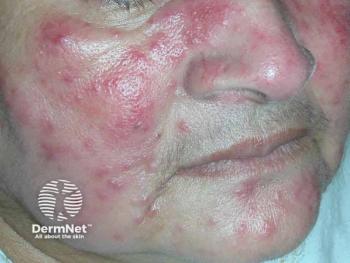
Researchers conduct a review to understand the efficacy and safety of topical minocycline for the treatment of moderate to severe papulopustular rosacea.

In a recent Dermatology Times Case-Based Peer Perspectives custom video series, Naiem Issa, MD, PhD, reviewed 3 complex patient cases of atopic dermatitis.

Despite early psychological symptoms, over half of patients in the study completed their full treatment course.
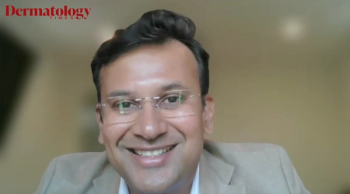
Prithwiraj Maitra, PhD, Vice President of Global Skincare R&D at Allergan Aesthetics, gave his thoughts on regenerative aesthetics and other recent skincare advancements.
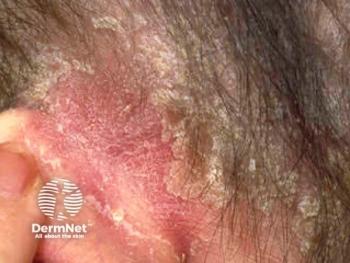
Continuity with a known physician and rapid response times significantly increased patient willingness to use teledermatology.
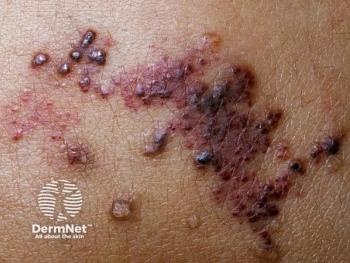
Palvella has secured its 5th US patent for Qtorin rapamycin, extending intellectual property coverage to 2038 and advancing treatment for microcystic lymphatic malformations.

A survey by LEO Pharma indicates widespread misunderstandings about chronic hand eczema, revealing significant emotional and occupational challenges for patients.

Catch up on dermatology news, highlights, and insights from the past 24 hours.
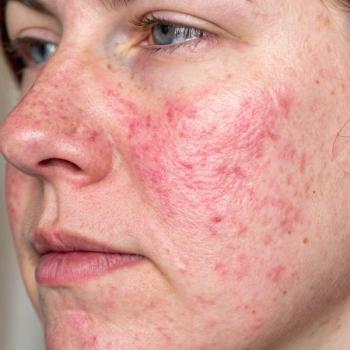
Over the past few years, research on the microbiome and dysbiosis has gained interest in the potential exacerbation of several skin diseases, including rosacea.