


Sun safety awareness grows with Laura Scott, MD, FAAD, and Sun Bum's "Trust the Bum Tour," offering free SPF products and education to diverse communities nationwide.
Sun safety awareness grows with Laura Scott, MD, FAAD, and Sun Bum's "Trust the Bum Tour," offering free SPF products and education to diverse communities nationwide.

GLP-1 receptor agonists show promise in reducing cardiovascular risks for patients with chronic inflammatory skin diseases like psoriasis and atopic dermatitis.

Sun Pharma's innovative BLU-U device gains FDA approval, revolutionizing actinic keratosis treatment with advanced blue light therapy.

Explore the latest advancements in senotherapeutics, targeting aging through senolytics and senomorphics for enhanced skin health and healing.

Catch up on dermatology news, highlights, and insights from the past 24 hours.
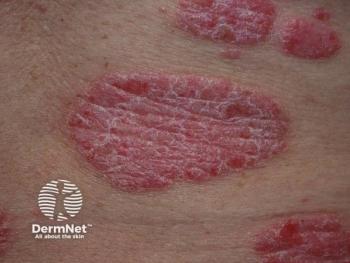
New guidelines from the Genital Psoriasis Wellness Consortium highlight the significant impact of genital psoriasis on patients, emphasizing improved diagnosis and personalized treatment.

Biologics significantly lower cardiovascular risks in psoriasis patients on statins, highlighting their dual benefits for skin and heart health.

ZEVASKYN, the first FDA-approved gene therapy for wounds in recessive dystrophic epidermolysis bullosa, is now available at Lurie Children's Hospital.

Scott Batty, MD, and Chris VanDeusen, PhD, provided insights on AX-158's phase 2a results, presented at the SID Annual Meeting.
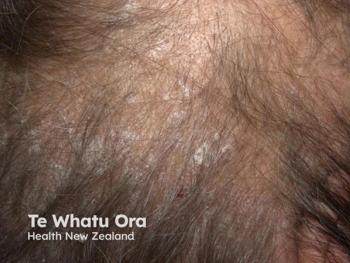
Discover the promising results of risankizumab for treating genital and scalp psoriasis, showcasing significant improvements in symptoms and quality of life.

Explore effective tax and asset protection strategies for dermatologists, including retirement plans and life insurance options for wealth management.

Catch up on dermatology news, highlights, and insights from the past 24 hours.

Recludix Pharma unveils a groundbreaking BTK SH2 inhibitor, showcasing superior selectivity and efficacy for chronic spontaneous urticaria treatment at SID 2025.

The new partnership brings RNA-targeted innovation to dermatology-relevant disease areas like autoimmunity and cancer.

A pediatric patient with Peeling Skin Syndrome observed overall skin healing with no adverse events after 12 weeks of treatment.

Combining tofacitinib with UVB therapy significantly enhances vitiligo treatment outcomes, improving recovery rates and quality of life for patients.

Clinuvel's phase III trial CUV105 enrolls 200 patients, exploring afamelanotide as a promising systemic treatment for vitiligo.

Extended oral corticosteroid therapy in patients with atopic dermatitis significantly increases cardiovascular and thrombotic risks, urging careful treatment evaluations.

Hershel Dobkin, MD, FAAD, discusses the surprising truth about toughness in dermatology, unexpected patient reactions, and the emotional depth behind appearances.

This review of the latest dermatologic studies includes insights into switching PD-1 to BRAF + MEK inhibition, clinical outcomes and prognosis in atypical fibroxanthoma, and more.

Catch up on dermatology news, highlights, and insights from the past 24 hours.

New research reveals a promising strategy to slow type 1 diabetes progression by targeting inflammation with an existing psoriasis drug.
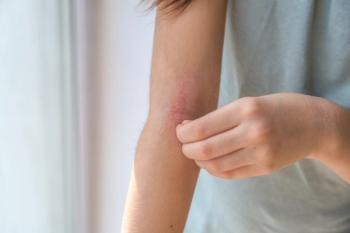
Researchers reveal TRIV-509, a novel monoclonal antibody, shows promise in rapidly improving atopic dermatitis by restoring skin barrier integrity and reducing inflammation.

Discover how a novel nutraceutical significantly improves mild to moderate acne in a 12-week clinical trial, offering a holistic approach to skin health.

Even with the recent rise of social media guidance, patients still trust dermatologists over social media influencers for acne treatment.

Explore the promising role of JAK inhibitors in vitiligo management, highlighting efficacy, safety, and potential combination therapies for enhanced results.
Raj Chovatiya, MD, PhD, MSCI, discusses how IL-13 and IL-31 inhibitors represent distinct yet complementary mechanisms in the management of atopic dermatitis.

To hear more about AD advancements from Shahriari and Lio in person, register to attend the Revolutionizing Atopic Dermatitis Conference 2025 in Nashville, Tennessee, on June 6 and 7.

Catch up on dermatology news, highlights, and insights from the past 24 hours.

Seven dermatologists have received GLODERM x CeraVe Access Grants to expand skin care access in underserved communities worldwide.