


Discover expert insights and practice management tips at the Fall Clinical PA/NP Conference in Orlando, featuring top dermatology professionals.
Discover expert insights and practice management tips at the Fall Clinical PA/NP Conference in Orlando, featuring top dermatology professionals.

Catch up on dermatology news, highlights, and insights from the past 24 hours.

Learn more about the in-depth topics covered in the May 2025 print issue of Dermatology Times.

Explore the top headlines of the week including insights on regulatory updates, expert pearls, and more.

Explore the latest insights, strategies, and treatments for patients with skin cancer as Dermatology Times looks back on Melanoma and Skin Cancer Awareness Month.

Dermatology Times is looking back on the top stories in dermatology from the month of May.

Shannon Humphrey, MD, leads a shift in aesthetic dermatology towards patient empowerment and self-care, supported by Merz Aesthetics' Pillars of Confidence study.
Jonathan Silverberg, MD, PhD, MPH, talks about when and how to take itch into consideration when choosing a therapy for AD.

Catch up on dermatology news, highlights, and insights from the past 24 hours.

Amanda Caldwell, MSN, APRN-C, is fostering community and collaboration for NPs and PAs as the new president of the SDNP.

Renata Block, PA-C, speaks with patient advocate Brittanny Groover on her experience, how to educate young patients, and understanding the psychosocial impact of melanoma.

RAPIDS 2025 captivated with expert insights on immuno-dermatology, featuring engaging sessions and lively panels.

Peter Graylin shares his transformative skin cancer journey, emphasizing the importance of early detection, sun safety, and accessible dermatology programs.
Jonathan Silverberg, MD, PhD, MPH, shares pearls from the ADvocate1 and 2 trials examining the use of lebrikizumab for AD.

A new partnership aims to revolutionize topical treatments for epidermolysis bullosa, enhancing patient care with innovative drug delivery technology.

Dermatology Times is recapping our exclusive expert interviews from the month of May.

This review of the latest dermatologic studies includes insights into psoriatic lesions and PsA, adipose mesenchymal stem cell-derived exosomes versus platelet-rich plasma, and more.

Catch up on dermatology news, highlights, and insights from the past 24 hours.

Amanda Caldwell, MSN, APRN-C, is promoting accessibility, education, and relatability as the newly inducted president of the Society for Dermatology Nurse Practitioners.
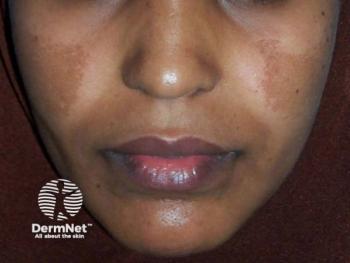
Microneedling proves more effective than microinjections for PRP therapy in treating melasma, enhancing patient outcomes and satisfaction.

AI Medical Technology launches Dermalyser, an AI tool for melanoma diagnosis, enhancing detection accuracy and skin cancer care in Europe.
Jonathan Silverberg, MD, PhD, MPH, talks about therapies used for AD, including nemolizumab.

In March, popular acne products were recalled due to benzene contamination, raising safety concerns and highlighting the need for better quality control in skin care.
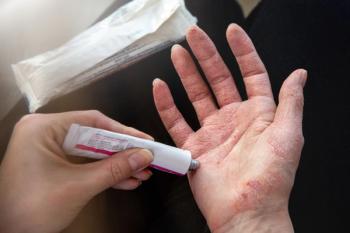
Christopher G. Bunick, MD, PhD, presents the significant challenges of CHE due to a lack of FDA-approved treatments, impacting patients' quality of life and requiring better therapeutic options.

Answer our poll below.

Catch up on dermatology news, highlights, and insights from the past 24 hours.

LEO Pharma reveals promising phase 2b trial results for temtokibart, a treatment targeting moderate to severe atopic dermatitis effectively.

New research reveals significant racial disparities in depression risk among vitiligo patients, highlighting the need for culturally sensitive mental health support.

Sarah Allen, MD's Skin Clique has launched a virtual Esthetician Program, providing personalized skincare consultations and bridging access to expert guidance for all patients.

Explore the significant mental health and socioeconomic impacts of atopic dermatitis and alopecia areata, revealing urgent needs for better support and awareness.