


Iris Rubin, MD, reveals how her brand SEEN transforms hair products to combat acne, promoting clearer skin through innovative, skin-friendly formulations.
Iris Rubin, MD, reveals how her brand SEEN transforms hair products to combat acne, promoting clearer skin through innovative, skin-friendly formulations.

Explore the top headlines of the week including insights on the latest clinical trials, therapeutic updates, and more.

Test your knowledge of key words and terms associated with dermatology news from the previous week.

In case you missed it, this week we had news about the FDA approval of dupilumab for bullous pemphigoid, the upcoming INTEGUMENT-INFANT trial for roflumilast, nail trends that challenge clinical diagnosis, and more.

This week, we feature top articles from our sister publications on regulatory updates, clinical trial insights, and more.

Put your dermatology expertise to the test with Dermatology Times’ interactive quiz series!

Catch up on dermatology news, highlights, and insights from the past 24 hours.

The new PDUFA date is set for September 2025.

A global survey reveals the significant psychosocial and financial burdens of hidradenitis suppurativa, highlighting the need for improved patient care and treatment options.

Trendy manicures like Russian nails and 3D art may complicate diagnosis or cause damage, making them important for dermatologists to recognize.
Jamie Restivo, MPAS, PA-C, shares her key takeaways from the final day of the recent Fall Clinical PA/NP Conference in Orlando, Florida.

Dupilumab gains FDA approval as the first targeted therapy for bullous pemphigoid, offering hope for effective treatment and improved patient outcomes.

Anabela Cardoso, MD, shares data from the phase 3b ADmirable trial—the first study to evaluate the safety and efficacy of lebrikizumab in patients with moderate to severe AD and pigmented skin.

Catch up on dermatology news, highlights, and insights from the past 24 hours.
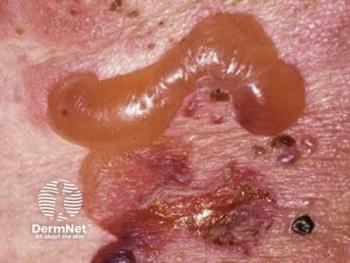
Upadacitinib’s targeted inhibition of JAK1 offers a novel strategy for managing bullous pemphigoid and, in rare, treatment-resistant cases, may induce sustained remission following immune modulation.
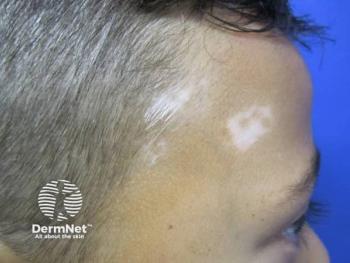
The VALIANT survey uncovers alarming depression rates in vitiligo patients, highlighting the urgent need for improved mental health screenings and interventions.

Researchers conducted a systematic review to summarize research that has addressed social media’s impact on skin health promotion activities.

UCSD's Clean Slate Program empowers medical students through hands-on experience in tattoo removal, enhancing community health and social justice initiatives.

Catch up on dermatology news, highlights, and insights from the past 24 hours.

A real-world study shows the effectiveness of upadacitinib and abrocitinib for moderate to severe atopic dermatitis after 52 weeks of treatment.

LGBTQ+-inclusive language in dermatology enhances patient care, addresses health barriers, and improves outcomes for transgender individuals facing acne challenges.

Pediatric dermatologist Mercedes E. Gonzalez, MD, discusses roflumilast's promise as a safe, nonsteroidal treatment for atopic dermatitis in infants.

A study reveals the significant emotional burden of work-related chronic hand eczema, highlighting the need for tailored psychological support for affected patients.

Explore the latest insights on IL-17 inhibitors for psoriasis, highlighting their mechanisms, real-world benefits, and future treatment strategies.

This review of the latest dermatologic studies includes insights into differences in vitamin D levels in rosacea versus healthy individuals, psychosocial determinants and atopic dermatitis outcomes, and more.

Catch up on dermatology news, highlights, and insights from the past 24 hours.
Catch up on all updates and advancements shared at this year's Revolutionizing Atopic Dermatitis (RAD) Conference in Nashville, Tennessee.

Jamie Restivo, MPAS, PA-C, shares her key takeaways from the second day of the recent Fall Clinical PA/NP Conference in Orlando, Florida.

At SCALE 2025, Christina Feser, DO, FAAD, FAOCD, spotlighted the rapidly expanding pipeline of diverse therapies for patients with HS.
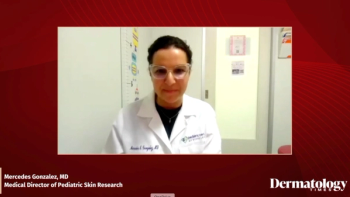
Mercedes Gonzalez, MD, discusses the promising INTEGUMENT-INFANT trial, exploring a new non-steroidal treatment for infants with atopic dermatitis.