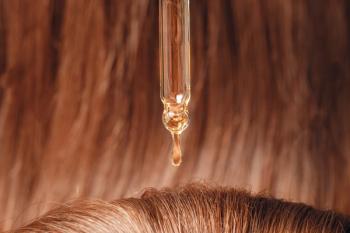
Castor oil has become a popular social media remedy for thicker, longer hair, but evidence supporting its ability to stimulate hair growth remains limited.
Answer our poll below.
In early 2025, significant changes in federal research funding policies have introduced uncertainty for the medical research community, including dermatology. These developments may impact clinical trials, translational research, and the training of future physician-scientists.
The National Institutes of Health (NIH) implemented a policy capping indirect cost reimbursements at 15%, down from previous rates that often exceeded 50%.1 Although a federal judge temporarily blocked this policy following legal challenges, many institutions have already initiated hiring freezes, reduced graduate admissions, and paused research projects.2
Effective January 25, 2025, the NIH introduced a simplified peer review framework for research project grants, fellowships, and training grants.3 These changes aim to streamline the application process and promote fairness by focusing on key assessments such as candidate potential and research training plans.
The NIH has ended funding for programs related to climate change and health, reflecting a shift in research priorities.4 Additionally, Notices of Funding Opportunities related to diversity, equity, inclusion, and health disparities have been removed, raising concerns about the future direction of NIH-funded research.5
Understanding how these federal funding changes affect the dermatology community is crucial. Your insights will help us gauge the real-world impact on research, clinical practice, and education.
Have recent changes in NIH or FDA funding or research priorities impacted your clinical research or patient care efforts?
Let us know your thoughts and experiences by answering our poll above and commenting on social media, or by writing to us at
References