


GLP-1 receptor agonists may indirectly affect dermatologic outcomes by targeting inflammation and metabolic comorbidities.
GLP-1 receptor agonists may indirectly affect dermatologic outcomes by targeting inflammation and metabolic comorbidities.

Members of Elevate-Derm Alliance and the SkinSync podcast discuss the inspiration behind the podcast and how it best serves dermatology clinicians.

Lisa Swanson, MD, FAAD, shares innovative insights on pediatric dermatology, emphasizing effective treatments and communication strategies for young patients at DERM 2025.
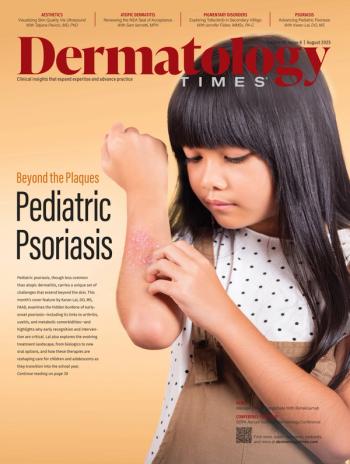
Learn more about the in-depth topics covered in the August 2025 print issue of Dermatology Times.

Key regulatory milestones for MAL-838, a novel sCD83-based, hormone-free hair growth ingredient, are paving the way for the market launch of a microbiome-friendly 8T3 product line.

Explore innovative biologic treatments for prurigo nodularis, enhancing patient quality of life and breaking the itch-scratch cycle effectively.

This review of the latest dermatologic studies focuses on chronic spontaneous urticaria with new research on the transition from omalizumab to dupilumab, metabolic syndrome in urticaria patients, current pediatric CSU guidelines, and more.

Catch up on dermatology news, highlights, and insights from the past 24 hours.

Case reports showed encouraging outcomes in eczema, but the company is pursuing deeper validation.

Andrew Baker, MBA, MPAS, PA-C, discusses new data highlighting both the growing challenges—like burnout and reimbursement cuts—and exciting opportunities in leadership, virtual care, and mentorship for PAs and NPs.

Explore the top headlines of the month, including insights on regulatory updates, expert pearls, and more.

Discover how biologic coordinators streamline dermatologic care through detailed protocols, clinical documentation, and patient advocacy to improve access to life-changing biologic therapies.

From remote villages to island nations, a WHA resolution and grassroots efforts aim to bridge care gaps in regions lacking access to dermatology providers.

Catch up on dermatology news, highlights, and insights from the past 24 hours.

Roundtable participants agreed the art of psoriasis management lies in aligning biologic or oral options with patient comorbidities, lifestyle, and insurance coverage.

Find out what skin care products and aesthetic innovations clinicians are recommending to patients for the month of August.

The test now provides 3 validated insights: risk of metastasis, response to ART, and risk of recurrence.

Joshua Zeichner, MD, spoke to Dermatology Times about Sanofi's clinical trials for the world’s first mRNA acne vaccine, aiming to revolutionize treatment by targeting the body’s inflammatory response rather than just symptoms.

In case you missed it, this week we had news about Art Garfunkel's decades-long journey with psoriasis, the first in-human trial of SEP-631 for CSU, the impact of World Skin Health Day, and more.

Explore common pediatric summer skin issues, from rashes to sun sensitivity, and learn effective prevention and management strategies for healthy skin.

Put your dermatology expertise to the test with Dermatology Times’ interactive quiz series!

Explore the top headlines of the week, including insights on the latest clinical trials, therapeutic updates, and more.

This week, we feature top articles from our sister publications on regulatory updates, clinical trial insights, and more.

Catch up on dermatology news, highlights, and insights from the past 24 hours.

Omar Noor leads a dynamic discussion on personalized psoriasis therapy, addressing patient challenges and innovative treatment options.

Clinicians explore innovative strategies for managing atopic dermatitis, emphasizing personalized care and the use of non-steroidal treatments for improved patient outcomes.

Mentors and mentees include specialists in complex medical dermatology, pediatric dermatology, and procedural dermatology to diversify trial opportunities.

April Martinez-Dulay, MSN, APRN, FNP-BC, shares insights on diagnosing and treating types of dermatitis at DERM 2025, emphasizing innovative approaches and patient care strategies.

Vinna Crisostomo, MD, leads vital skin health initiatives in Palawan, addressing access and education challenges for underserved communities on World Skin Health Day.