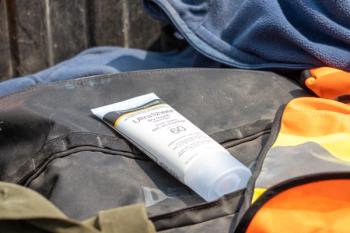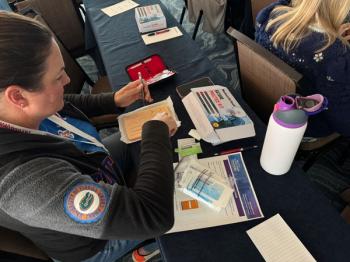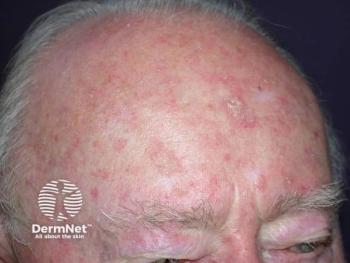
Faculty from the Cutaneous Oncology Workshop answer practical questions spanning skin cancer prevention, diagnosis, treatment, and follow-up.
As we celebrate National APP Week, Melodie Young, MSN, A/GNP-C, highlights the evolution of dermatology NPs and PAs, emphasizing their vital role in patient care and ongoing professional development.
When I began in dermatology over 3 decades ago, there were perhaps a dozen nurse practitioners in the field nationwide. Most worked in VA hospitals or academic centers. I hadn’t set out to focus on psoriasis, but that changed when I crossed paths with a renowned psoriasis expert who contacted me to join him in building the psoriasis program at Baylor University Medical Center in Dallas, Texas. This became a hub for clinical trials as the era of biologic and new systemic agents emerged for psoriasis. I also became the Director of the National Psoriasis Tissue Bank, which led to significant discoveries in the genetic links of psoriasis. My contributions to this disease became and remain the focus of my career as a nurse practitioner (NP).
As we celebrate
Why Peer-Led Learning Uplifts Us
Continuing education often features physicians at the forefront. While many are inspiring and incredibly knowledgeable, there’s something uniquely valuable about learning from someone who shares your career or license, understands the collaborative models you work in, and faces similar clinical challenges and opportunities.
With peer-led learning, we get real-world insight that isn’t available anywhere else. You get clinical tips grounded in experience: we ask candid questions and have the opportunity to build a network that supports your professional growth. That unique approach to learning and connection helps sustain us personally and within our profession. Organizations like the Point of Care Network (POCN) are creating dedicated spaces, such as the Centers of Excellence, where this continued education is delivered by NPs and PAs practicing in our specialties. This includes dermatology-focused topics on psoriasis, atopic dermatitis, and other key conditions that NPs and PAs manage daily.
Our professional societies also provide unique learning and growth opportunities for our career and patient care, but have also become a collective voice to promote our profession.
The American Association of Nurse Practitioners (AANP) is also helping move this forward through its online specialty communities that bring NPs together across disciplines to share best practices and support. Other regional organizations also support derm NPs and I encourage membership nationally as well as through your state or region.
Keep Learning, Even Without Full Practice Authority
More than 30 states and Washington, DC, now grant full practice authority to NPs, with the number growing each year. For providers like me who work in states where autonomy is more limited, there is still plenty of meaningful opportunity to practice at a high level. I often speak with NPs who are motivated to do more to fill in the patient care gaps, whether it's managing complex conditions, guiding treatment decisions, or eager to take on leadership roles, but find themselves navigating some limitations.
If that sounds familiar, I want to encourage you to stay the course. These challenges do not define your potential. Keep building your knowledge, lean on your training, and seek out mentors who can help you keep growing, then share what you’ve learned with others. Even within structured environments, there are ways to lead, teach, and advance your expertise.
Keep Asking Why
One habit I have carried throughout my career is the practice of asking questions. Not to challenge for the sake of it, but because curiosity sharpens your clinical judgment. Although I have decades of expertise in psoriasis, I still take every available opportunity to learn about this disease and the patient experience. That might come from growing up in Missouri, the Show Me State. I have always believed in asking, “Show me why.” I want to understand the rationale, the data, the implementation mechanics, and the results behind any care plan.
This mindset is important early in your career, when it can be tempting to rely on how things have always been or the guidance of just one mentor. Keep in mind that our education doesn’t end with a degree. Keep learning, seek out different perspectives, and read the latest literature or use a peer learning platform. Find trusted voices in your specialty areas. When you see a gap in care, step in and do the work to fill it.
Dermatology Is a Growing Specialty
There are more than 431,000 licensed NPs in the US today who write more than 1 billion prescriptions per year. While primary care remains the largest area of practice, dermatology continues to grow. NPs and PAs now account for more than 40% of dermatology prescribers, according to POCN Group prescribing data. This reflects our expanding clinical role in diagnosis, treatment initiation, and long-term management of skin conditions.
As of 2021, there were 4,580 certified PAs in dermatology, nearly double the number from 2013 and still growing.1 Although there are slightly more PAs in derm, the number of NPs has grown rapidly and is estimated to also be near 4,500. While not all NPs and PAs working in dermatology hold specialty certification, many pursue focused training and continuing education to meet the clinical demands of the field. With 1 in 4 Americans affected by skin diseases and the dermatology market valued at $75 billion annually, our role has never been more important.2 We bring value, expertise, and access to a system that needs all three.
Collaboration Is the Path Forward
The most effective care happens when we work together. NPs and PAs are essential parts of a broader clinical team, partnering with physicians, specialists, and support staff to deliver high-quality care. Whether co-managing complex skin diseases or helping patients navigate chronic conditions and all that goes with needing medication and therapies, our ability to collaborate across disciplines strengthens outcomes and expands patient access.
New technologies like telemedicine and artificial intelligence will continue to support that effort, not by replacing what we do, but by helping us reach more people, more efficaciously and efficiently. Whether you're early in your journey or decades into practice, there are always new opportunities to lead, educate, and innovate.
Each patient we treat, colleague we mentor, and solution we help build brings us closer to a stronger, more inclusive healthcare system. It’s important to stay engaged and focused because our patients depend on us.
Melodie Young, MSN, A/GNP-C, is a board-certified nurse practitioner practicing at Mindful Dermatology in Dallas, Texas and the former director of the Psoriasis Center at Baylor University Medical Center. With 30 years of clinical trial experience, she has also served on psoriasis and phototherapy-related committees for the American Academy of Dermatology.
References
1. Griffith CF, Young PA, Hooker RS, Puckett K, Kozikowski A. Characteristics of physician associates/assistants in dermatology. Arch Dermatol Res. 2023;315(7):2027-2033. doi:10.1007/s00403-023-02593-7
2. Lim HW, Collins SAB, Resneck JS Jr, et al. The burden of skin disease in the United States. J Am Acad Dermatol. 2017;76(5):958-972.e2. doi:10.1016/j.jaad.2016.12.043