

News|Videos|September 23, 2025
The Future of AD Treatment and Pediatric Care with Leigh Ann Pansch, MSN, FNP-C, DCN
Key Takeaways
- New data on oral minoxidil for adolescents with alopecia shows effectiveness and tolerability, even at half the adult dosage.
- Updated atopic dermatitis guidelines recommend four new therapies, expanding treatment options for patients as young as 12.
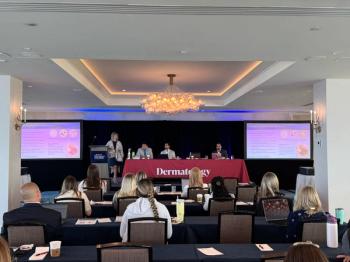
Discover the latest advancements in pediatric dermatology and atopic dermatitis treatments from Maui Derm NP+PA Fall 2025, featuring expert insights and emerging therapies.
Advertisement
Leigh Ann Pansch, MSN, FNP-C, DCN, clinical director of education at DOCS Dermatology in Cincinnati, Ohio, shared key insights from her sessions on atopic dermatitis (AD) and pediatric dermatology at
A major focus was the evolving treatment landscape in pediatric dermatology.1 Pansch highlighted new data on oral minoxidil for adolescent patients with alopecia, noting that while children typically receive about half the adult dosage, the therapy remains effective and well-tolerated, even in the presence of mild adverse effects. She also discussed the nuanced consideration of androgen therapies in hidradenitis suppurativa, underscoring the importance of individualized treatment planning.
The AD session also included updates to the AD guidelines, reflecting significant progress since the last iteration published in the Journal of the American Academy of Dermatology.2 Notably, 4 new therapies—tapinarof, roflumilast, neolizumab (with topical therapy), and lebrikizumab—received strong recommendations. Many of these treatments are approved for pediatric patients as young as 12, broadening therapeutic options for clinicians treating younger populations.
Looking ahead to 2026, Pansch expressed enthusiasm for emerging systemic therapies in AD. She referenced promising developments targeting OX40 pathways (both ligand and receptor), low-dose IL-2, and novel chemokine blockers. With agents from Sanofi and Amgen currently in phase 3 trials, she emphasized the potential for these upstream targets to offer longer-lasting control and possibly even disease modification.
“I think our pipeline is about to get really interesting,” she said. “I'm incredibly excited about the opportunity to sort of block more upstream and get longer-lasting results, and potentially the ability to modify disease for these patients struggling.”
In addition to her clinical work, Pansch shared her excitement about DOCS Dermatology’s inaugural Nurse Practitioner and Physician Assistant (NPPA) Fellowship, launched in January 2025. With the program nearing its first anniversary, planning is already underway for a second cohort in early 2026. The fellowship reflects DOCS’ ongoing commitment to training and advancing dermatology-focused advanced practice providers.
Stay tuned to Dermatology Times all week for
References
1. Cotton C, Fallon Friedlander S, Pansch L. Pediatric Dermatology Update 2025. Presented at: Maui Derm NP+PA Fall 2025; September 20-23, 2025; Nashville, Tennessee.
2. Liszewski W, Oza V, Pansch L. Atopic Dermatitis and Itch Update 2025. Presented at: Maui Derm NP+PA Fall 2025; September 20-23, 2025; Nashville, Tennessee.
Advertisement
Related Content
Advertisement
Latest CME


Advertisement
Advertisement
Trending on Dermatology Times
1
How Emerging Androgenetic Alopecia Therapies Target DHT at the Scalp Level
2
Social Media Mythbusters: Beef Tallow
3
Dermatology Times Inaugural NP/PA Connect Cutaneous Oncology Workshop Kicks Off in Tampa
4
25 Years Later: Remembering September 11 Through the Lens of Dermatologic and Burn Care
5