


News|Videos|September 23, 2025
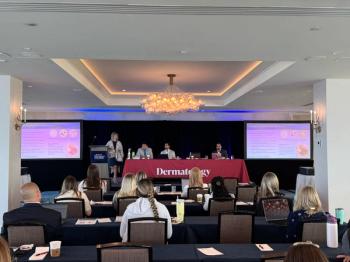
The Latest in Contact Dermatitis and AD at Maui Derm NP+PA Fall
Key Takeaways
- Personalized treatment approaches are essential for managing atopic dermatitis, especially for patients unresponsive to monotherapy. Combination therapy with oral JAK inhibitors and biologics is recommended.
- Diagnostic certainty, including ruling out allergic contact dermatitis with patch testing, is crucial before escalating therapy in atopic dermatitis cases.
Walter Liszewski, MD, shares innovative and personalized treatment strategies for managing atopic and contact dermatitis at Maui Derm NP+PA Fall 2025.
Advertisement
Walter Liszewski, MD, a board-certified dermatologist and associate professor of dermatology at the Northwestern Feinberg School of Medicine in Chicago, Illinois, presented 2 clinically rich sessions focusing on atopic dermatitis (AD) and contact dermatitis at the
In the AD and Itch Update, Liszewski highlighted the increasingly nuanced treatment landscape for AD, emphasizing the need for personalized approaches.1 While biologics and JAK inhibitors have revolutionized care, he noted that some patients with severe or atypical presentations remain recalcitrant to monotherapy. For this subset, Liszewski recommends considering combination therapy with both an oral JAK inhibitor and a biologic agent.
“It's really exciting to be a dermatologist in 2025, particularly someone who specializes in AD, because we have so many new drugs,” he said.
Liszewski stressed the importance of diagnostic certainty, including ruling out allergic contact dermatitis with patch testing, before escalating therapy. His message was clear: in confirmed cases of AD that remain unresponsive to standard treatments, clinicians should not hesitate to combine systemic modalities for optimal disease control.
During his next session, “Contact Dermatitis: Cases That Will Leave You Scratching Your Head,” Liszewski shared diagnostic strategies drawn from his high-volume patch testing practice, which includes 50–60 patients per month.2 He strongly advocated for extended patch testing, cautioning that limited series, such as TRUE Test or the ACDS Core Allergen Series alone, may miss important allergens. A frequently overlooked culprit he emphasized was propylene glycol, a solvent commonly found in prescription topicals. In patients with chronic AD, propylene glycol allergy can contribute to persistent or worsening dermatitis. Liszewski urged clinicians to check not only personal care products but also prescription medications for this allergen, as its presence in topical therapies may paradoxically sustain inflammation.
Stay tuned to Dermatology Times all week for
References
1. Liszewski W, Oza V, Pansch L. Atopic Dermatitis and Itch Update 2025. Presented at: Maui Derm NP+PA Fall 2025; September 20-23, 2025; Nashville, Tennessee.
2. Liszewski W, Mudd K. Contact Dermatitis: Cases that will Leave you Scratching your Head. Presented at: Maui Derm NP+PA Fall 2025; September 20-23, 2025; Nashville, Tennessee.
Advertisement
Related Content
Advertisement



Latest CME


Advertisement
Advertisement
Trending on Dermatology Times
1
How Emerging Androgenetic Alopecia Therapies Target DHT at the Scalp Level
2
Dermatology Times Inaugural NP/PA Connect Cutaneous Oncology Workshop Kicks Off in Tampa
3
Social Media Mythbusters: Beef Tallow
4
25 Years Later: Remembering September 11 Through the Lens of Dermatologic and Burn Care
5