





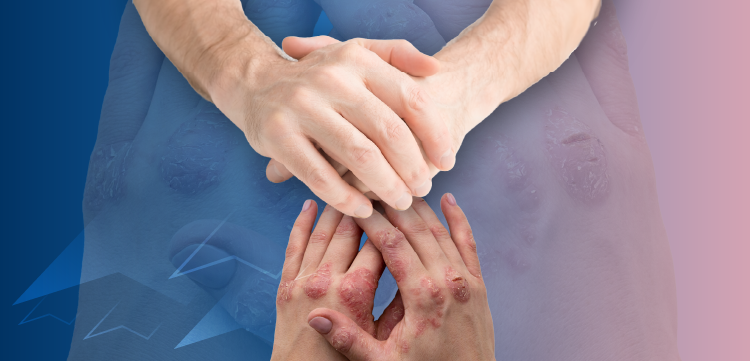
There is room for improvement in dermatology palliative care; training can help providers raise that standard.
There is room for improvement in dermatology palliative care; training can help providers raise that standard.

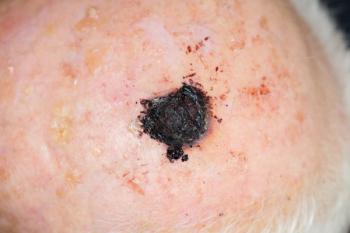
Dermatopathologists diagnose melanoma at similar rates regardless of whether they think the skin cancer is overdiagnosed.

A single lesson made an impact on high school students' knowledge and behavior when it came to sun protection.

Mobile screening and education initiatives can help bridge gaps in both patient knowledge and access to care.

The Skin Cancer Foundation at its Annual Champions for Change Gala in New York, New York, raised the money while also honoring 157 dermatologists for volunteering with the Foundations skin cancer screening program on May 12.
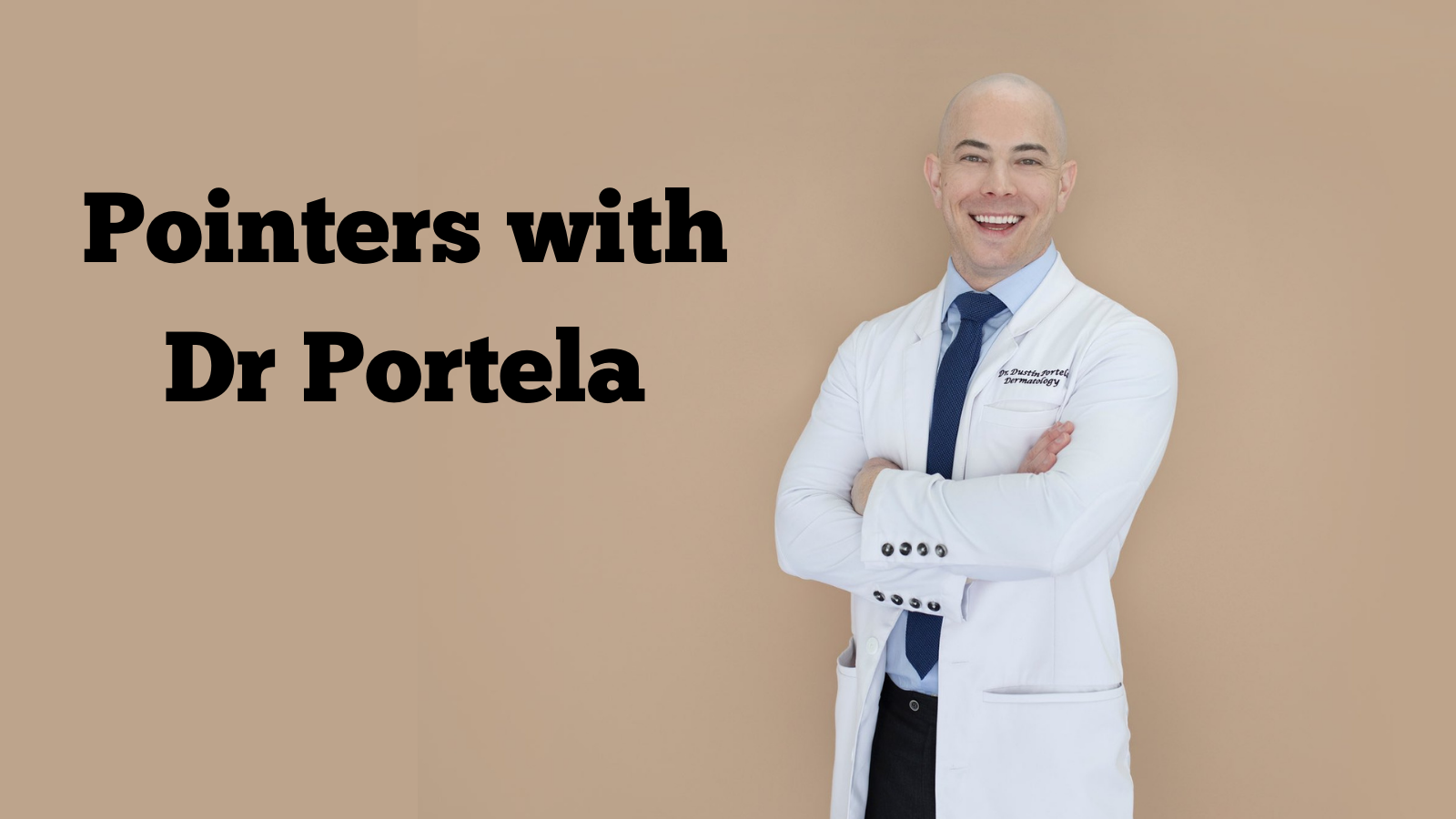
In this week’s Pointers with Dr Portela, the 208SkinDoc hosts a podcast called, “Between Two Derms.” This week he covers cases in the clinic, psoriasis at the Met Gala and more.

A survey asked dermatologists whether they had personal treated head and neck melanoma with excision, and if and when they referred patients with melanoma on the head and neck to a Mohs surgeon.

A poster presented at the 2022 American College of Mohs Surgery Annual Meeting not only suggested a link between multiple myeloma and a heightened rate of melanoma, but also demonstrated potential for higher overall mortality rates.

Sunscreen use is on the rise, but further education is needed.

Immunotherapy, intralesional treatments, multidisciplinary care teams define rapidly-evolving multimodal approach.

At the current ACMS meeting, Kelsey E. Hirotsu, MD, discussed the bleeding complications seen in patients on ibrutinib for CLL.

Presenters highlight the possible solutions to communication between the scrubbed-in surgery team and outside help that could save time.

In a presentation at the current American College of Mohs Surgery meeting, Jennifer G. Powers, MD, highlights the needed improvement for immediate access to skin cancer care for VA patients, noting a 33 day average wait time compared to the VAs optimal goal of 28 days.

A poster at the 2022 American College of Mohs Surgery Annual Meeting examined the prevalence of bacterial organism colonization in Mohs wounds left to secondary intention.

Surgical site infections (SSIs) are a common adverse event after Mohs Micrographic Surgery, but researchers aimed to find out how the clinical features of gram-negative differ from their counterparts.
In this week’s Pointers with Dr Portela, the 208SkinDoc has posted several YouTube shorts on sunscreen. See what pearls he had to share on protecting skin from the sun.

With the number of melanoma cases among young adults on the rise, adherence to preventative measures could be critical to stemming the tide of increased incidences of this deadly skin disease.

Specifying histologic subtypes can drive better outcomes for patients and improve research.

Click here to answer this week's poll.

Savina Aneja, MD, highlights the importance of Melanoma Monday and gives clinical pearls on how to counsel patients, skin cancer screenings, and more.
Zoe Diana Draelos, MD, gives the details on sun protective clothing, including how it doesn't need to break the bank, how to test how protective clothing is, and a hat might be the most important piece of sun protection.
Data shows that the overall rate of melanoma diagnosis rose sixfold over the last 4 decades at a time when melanoma mortality stayed relatively stable.

Providing thorough, clear and actionable information is a key part of melanoma care; survey offers a look at where dermatologists can improve.
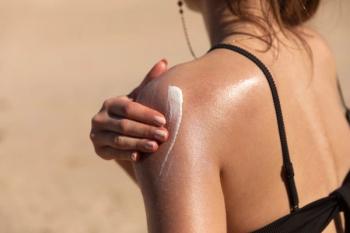
The American Academy of Dermatology’s survey finds more Americans say sun protection is more important than 5 years ago, but don’t understand how to protect themselves.

The Skin Cancer Foundation's mobile education program is set to cross the United States to both raise skin cancer awareness and provide free skin cancer screenings.