




Anna Bar, MD, FAAD returns to AAD as part of the interactive “How Would You Reconstruct It?” session.
Anna Bar, MD, FAAD returns to AAD as part of the interactive “How Would You Reconstruct It?” session.

Click here to answer this week's poll.

The commander-in-chief’s cancerous tissue was successfully removed last month.
In this week’s Pointers with Dr Portela, the 208SkinDoc discusses basal cell carcinoma and Mohs surgery related to Jill Biden's most recent skin cancer diagnosis.

Nivolumab for completely resected stage IIB or IIC melanoma is also validated by the European Medicines Agency.

The drug used to treat several dermatological disorders has immunosuppressive effects and has been linked with photosensitizing properties.
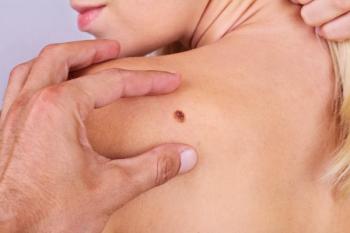
Recent research highlighted the important role of the skin’s microbiota in maintaining the homeostasis of the skin and the potential role the human microbiota may play in the development of skin cancer.

A poster presentation from SBS 2023 reviewed the clinician satisfaction of tirbanibulin for the treatment of actinic keratosis.

Laura Ferris, MD, PhD, discusses the future landscape of artificial intelligence and skin cancer detection at SBS 2023.

David Goldberg, MD, JD, explores the increasing rates of melanoma in the US and how to manage melanoma subtypes at SBS 2023.
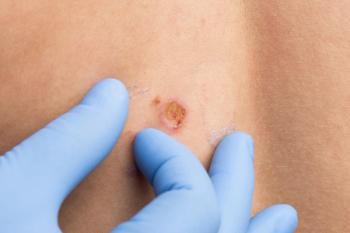
Merkel cell carcinoma is a rare but highly aggressive type of nonmelanoma skin cancer and Merkel cell polyomavirus is thought to play a major role in its etiology.

The safety of gel manicures is under renewed scrutiny after a new study suggests they can cause DNA damage.

This review will explore various leukemia-related cutaneous findings and discuss the diagnosis and management of these conditions.
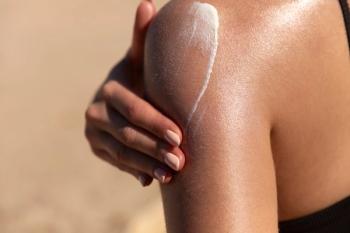
In his session at Maui Derm Hawaii 2023, Curtis Cole, PhD, President of Sun & Skin Consulting, LLC, detailed the limitations facing the US Sunscreen industry.

A study published in Future Medicine finds consistent use of the treatment is difficult for patients to maintain in a real-world setting.

A review published in the International Journal of Molecular Sciences described advanced BCC molecular mechanisms and resulting targeted therapies.
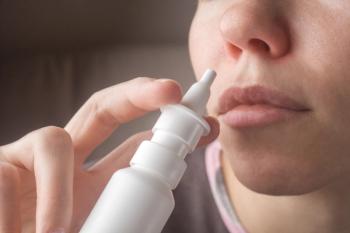
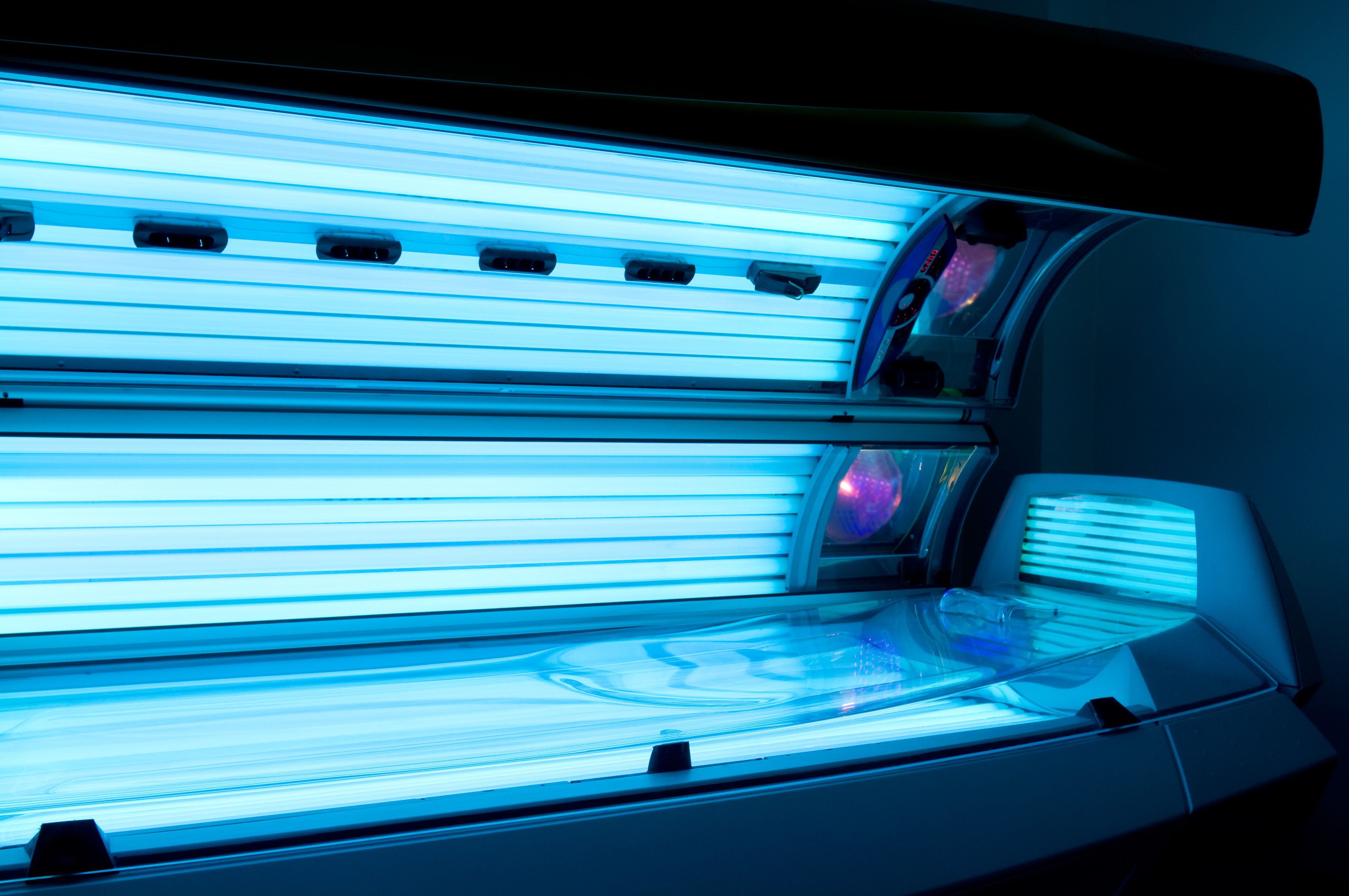
Dermatologists have long warned tan seekers about the detrimental effects of ultraviolet exposure and tanning beds, strongly discouraging their use; nasal tanning sprays are no different.

Darrell S. Rigel shares current updates in skin cancer treatments and incidences across the US at Winter Clinical Hawaii.

New clues about the immune system response to MCC may be able to help guide future treatment strategies.
In basal cell carcinoma, the most common type of skin cancer accounting for 80% of all non-melanoma skin cancers, one of the leading options for cases that fall into this category is targeted treatment with Hedgehog pathway inhibitors.

Although Merkel cell carcinoma can develop undetected or at a metastasized site, it usually first appears as a painless lump or nodule on an area of the skin that has been exposed to the sun.
To date, it is unknown what impact potential response-adapted treatment strategies for advanced melanoma may have economically.
New research suggests new pharmacological therapies are associated with a decrease in melanoma-related deaths.

Precision medicine may help improve the diagnosis and management of this aggressive skin cancer.

At the 2022 Fall Clinical Dermatology Conference, a dermatologist shares results of using cemiplimab-rwlc (Libtayo) for basal and squamous cell carcinoma.