

Atopic Dermatitis
Latest News
Advertisement
Latest Videos


Advertisement
More News
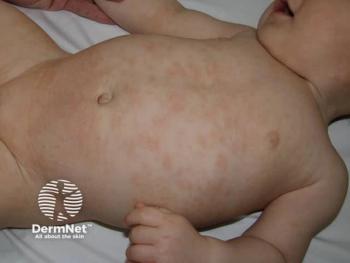
The case series found dupilumab led to improvements in skin condition and a reduction in bacterial infections for pediatric patients with Hyper-IgE syndrome.

With this combined administration, patients saw noticeable and lasting improvements in severe cases of AD.

Christopher Bunick, MD, PhD, and Raj Chovatiya, MD, PhD, discuss results of an open-label phase 3b/4 study for atopic dermatitis.

This week’s collection of the latest dermatologic studies includes the potential association between hidradenitis suppurativa and infertility, refractory pediatric atopic dermatitis treated with dupilumab and abrocitinib, and omalizumab's efficacy in chronic inducible urticaria.

A poster presented at the EADV Congress revealed the drug's long-term efficacy in treating AD, particularly in the head and neck regions.

Eric Simpson, MD, MCR, FAAD, lead author of a recently-published article highlighting roflumilast cream 0.15%, joined us for a Q+A interview.
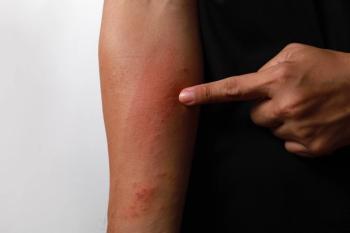
More than half of treatment responders maintained stable EASI ≤ 7, according to a poster from EADV.

A poster presented at EADV 2024 explored patient-reported outcomes from. the TRACE study for AD.

Jason Hawkes, MD, MS, emphasized the importance of biologic treatments transforming the management of both prurigo nodularis and atopic dermatitis.

Researchers behind the review suggested that future research should prioritize large-scale trials to confirm abrocitinib's long-term safety and efficacy in various skin disorders.

After releasing promising data from several clinical trials, Burnett discussed the importance of studying efficacy and safety across diverse populations.

Gil Yosipovitch, MD, reviews differences including lesion appearance, cytokine pathways, treatment options, and more.
Gooderham reviews key highlights from EADV 2024 on the ADjoin long-term extension trial for patients with moderate to severe AD.

“It is critical that our clinical data represent the diversity in the world around us, and these results further reinforce our commitment to providing meaningful innovation for immune-mediated skin diseases," said Patrick Burnett, MD, PhD, FAAD, chief medical officer of Arcutis.

Kilian Eyerich, MD, PhD, shares insights into an EADV 2024 presentation on upadacitinib’s ability to achieve almost total skin clearance in the head and neck regions with minimal effect on quality of life.
The study found that over 80% of patients who responded to lebrikizumab at week 16 maintained clear or almost-clear skin after 3 years.
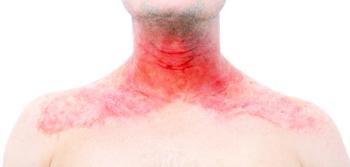
A new analysis from phase 3 studies shows Rinvoq's effectiveness for moderate to severe AD with head and neck involvement.

Catch up on eczema advancements throughout the year, including news on contact dermatitis, chronic hand eczema, and more.

From dupilumab to OX40s, Zirwas talked about the niche to all atopic dermatitis therapies to make the best decision with your patient.

In a session at Maui Derm NP+PA Fall, Zirwas talked about the newfound discoveries of causation within the AD space.

Dermavant’s sNDA for tapinarof cream 1% for AD is still under review with the FDA.

Researchers analyzed APPs treatment and perceptions on AD in studies focusing on patient satisfaction and patients with skin of color.

The IL-13 inhibitor, recently FDA-approved for moderate to severe AD, reached all primary endpoints in the study focusing on patients with skin of color.

Ebglyss is now approved for children and adults aged 12 years and older.

Hurricane flooding results in a surge of mold, mildew, and allergens, which can trigger or exacerbate AD symptoms.
Advertisement
Advertisement
Trending on Dermatology Times
1
FDA Approves Baricitinib for Adolescents With Severe Alopecia Areata
2
From Mechanism to Management: Navigating Male Pattern Hair Loss and New Topical Therapies
3
Dr. Charrow Highlights Earlier Biologic Use and Deroofing in Hidradenitis Suppurativa
4
Tremfya Meets Primary, Major Secondary Endpoints in Phase 4 STAR Study of Axial PsA
5