



Atopic Dermatitis
Latest News
Advertisement
Latest Videos





Advertisement
More News
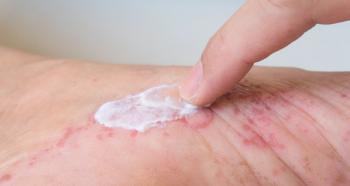
Use of the product showed positive changes in the skin’s hydration, lipid content, transepidermal water loss, and erythema.

Targeting type 2 cytokines with monoclonal antibodies has revolutionized treatment for inflammatory skin diseases, reducing symptoms and improving quality of life.
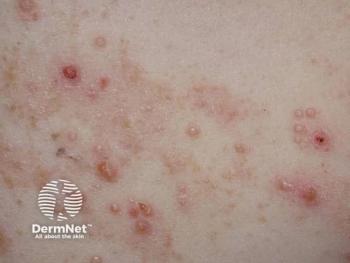
An expert panel of clinicians provided insights on first-line treatments, maintenance strategies, and flare management for AD.
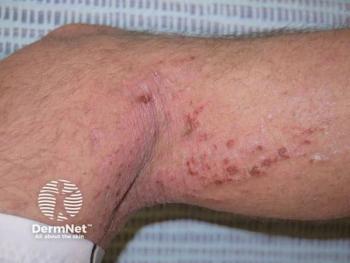
The study identified 2 fungal profiles in AD patients, with 1 subgroup exhibiting distinct fungal dysbiosis.
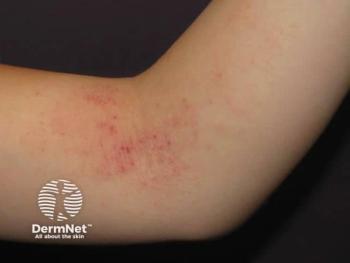
A recent study highlights the need for ophthalmologic monitoring in pediatric dupilumab therapy.

The phase 1a study is a first in-human trial evaluating SYX-5219 for AD.

According to a survey, both patients and clinicians are unsatisfied with the current therapeutic landscape and are looking for options that better fulfill patient needs.

Amid limited access to pediatric dermatologists nationwide, pediatric patients of color with atopic dermatitis are particularly affected by social determinants of health, further impacting their outcomes.

By leveraging the innovative biomarker panels, clinicians can now offer more personalized and effective treatment options for psoriasis and AD.

Compared to placebo, there was a 70% reduction in IgE levels in children ages 0.5 to 6 after 16 weeks of therapy.
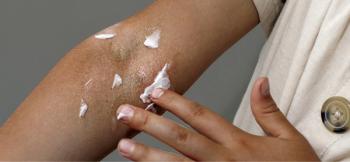
Ruxolitinib cream showlasting safety and efficacy in children with moderate to severe atopic dermatitis.

The study found half of the patients receiving once-monthly lebrikizumab achieved complete skin clearance at 3 years, with 87% maintaining near-clearance.

Anabela Cardoso, MD, discussed lebrikizumab’s efficacy in improving itch, skin pain, sleep disturbance, and long-term management in atopic dermatitis.
Panelists discuss the areas of research that need more attention in pediatric atopic dermatitis (AD) management, highlighting gaps in understanding the long-term effects of treatments, the genetic underpinnings of the disease, and strategies for improving early diagnosis and personalized care.
Panelists discuss the newer systemic treatment options for pediatric atopic dermatitis (AD), including tralokinumab, JAK inhibitors, and nemolizumab, focusing on their mechanisms of action, efficacy, and safety profiles in treating moderate to severe cases of the condition in children.

At AAD 2025, Raj Chovatiya, MD, PhD, MSCI, explored the role of social determinants in AD, HS, and PsO, emphasizing the need for improved clinical recognition and inclusive research.

Linda Stein Gold, MD, FAAD, discusses the late-breaking tapinarof cream data presented at AAD 2025.

The ADORING 3 study demonstrated that tapinarof cream 1% maintains low disease activity in patients with AD for an average of 79.8 days post-treatment.
Raj Chovatiya, MD, PhD, MSCI, discusses how early-career dermatologists can gain the most benefit from this year’s annual meeting.

Patrick Burnett, MD, PhD, shares key updates expected in 2025 for therapeutics treating atopic dermatitis, alopecia areata, and more.

Experts discussed personalized approaches to atopic dermatitis, from steroid-sparing topicals to biologics, highlighting rapid relief and long-term management strategies.

Research suggests that rebalancing the skin microbiome with pre-, post-, and probiotics may improve AD symptoms.
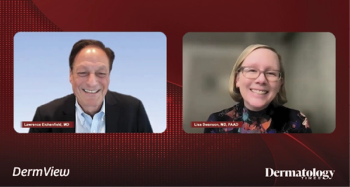
Experts discussed pediatric atopic dermatitis, treatment innovations, disease burden, and the latest topical and systemic therapies in a DermView video series.

When compared to corticosteroids alone, the combination therapy reduced disease severity and improved the skin barrier.

APG990 showed a 60-day half-life and favorable safety, supporting potential 3-6 month maintenance dosing for atopic dermatitis.
Advertisement
Advertisement
Trending on Dermatology Times
1
FDA Approves Baricitinib for Adolescents With Severe Alopecia Areata
2
Dr. Charrow Highlights Earlier Biologic Use and Deroofing in Hidradenitis Suppurativa
3
From Mechanism to Management: Navigating Male Pattern Hair Loss and New Topical Therapies
4
Tremfya Meets Primary, Major Secondary Endpoints in Phase 4 STAR Study of Axial PsA
5