


Opinion|Videos|April 18, 2025
Future Perspectives: Can Innovative Topical Therapies Like Ruxolitinib Reduce Systemic Treatment Dependency in Pediatric AD?
Author(s)James Song, MD, FAAD
James Song, MD, FAAD, discusses how emerging topical JAK inhibitors like ruxolitinib cream may reduce the necessity for systemic therapies in select pediatric atopic dermatitis patients by effectively controlling moderate disease and potentially serving as long-term maintenance therapy with a favorable safety profile.
Advertisement


This news content has been independently developed and is not endorsed by the American Academy of Dermatology.
Video content above is prompted by the following:
- Looking ahead, do you think new topical treatments like ruxolitinib could reduce the need for systemic therapies in certain pediatric patients? Why or why not?
Advertisement
Related to this article

A retrospective claims analysis of 2897 matched pairs found hazard ratios of 0.48 to 0.67 for new atopic disease with dupilumab vs systemic corticosteroids in children.

SYX-5219 improved disease severity and itch in a Phase 1b trial of adults with moderate to severe atopic dermatitis.
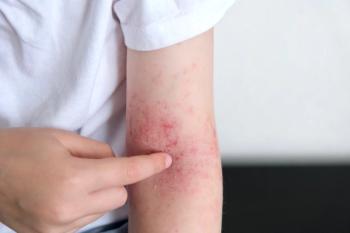
Christophe Piketty discusses 3-year ARCADIA data demonstrating sustained efficacy and long-term safety of nemolizumab in atopic dermatitis.
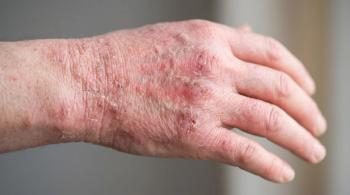
No skin lesion flares were observed through 16 weeks after switching from dupilumab to upadacitinib; itch flares occurred in 3.6% to 4.8% of patients with baseline WP-NRS scores of 6 or lower.

Three-year ARCADIA LTE data show sustained skin clearance and itch control with nemolizumab in moderate-to-severe atopic dermatitis.

Upadacitinib showed broader inflammatory effects and earlier skin barrier restoration than dupilumab in atopic dermatitis.
Advertisement
Advertisement
Trending on Dermatology Times
1
Dupilumab Associated With Lower Atopic March Risk in Pediatric Atopic Dermatitis
2
Bitopertin Meets All End Points in Phase 3 APOLLO Trial for EPP
3
GLP-1 Candidacy and Prescribing Considerations in Psoriasis
4
Social Media Mythbusters: Can Castor Oil Really Grow Hair?
5