





Atopic Dermatitis
Latest News
Advertisement
Latest Videos





Advertisement
More News
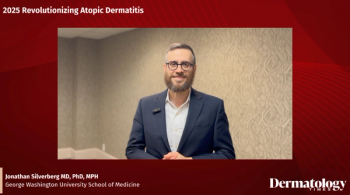
At RAD 2025, Jonathan Silverberg, MD, PhD, MPH, provided an in-depth look at the clinical integration of newly approved biologics nemolizumab and lebrikizumab in AD.

A poster at RAD 2025 detailed the patient-reported outcomes across skin types and racial groups.

Co-chairs Jonathan Silverberg, MD, PhD, MPH, and Raj Chovatiya, MD, PhD, MSCI, gave insight into what attendees can look forward to at this year's meeting.
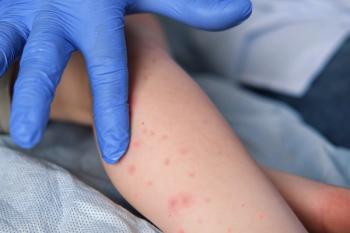
Arcutis Biotherapeutics showcases promising long-term results of Zoryve for atopic dermatitis in young children at RAD 2025, emphasizing safety and efficacy.

Discover the latest breakthroughs in atopic dermatitis treatment and expert insights from the RAD dermatology conference in Nashville.

Catch up on what to expect at this year's RAD conference in Nashville, Tennessee.

Jonathan Silverberg, MD, PhD, MPH, walks through what to look out for in AD management.

Jonathan Silverberg, MD, PhD, MPH, shares his insights on treating and managing CHE.

Through a comprehensive review and meta-analysis, researchers identified the correlation between atopic dermatitis and dementia.
Jonathan Silverberg, MD, PhD, MPH, talks about when and how to take itch into consideration when choosing a therapy for AD.

Jonathan Silverberg, MD, PhD, MPH, shares pearls from the ADvocate1 and 2 trials examining the use of lebrikizumab for AD.
Jonathan Silverberg, MD, PhD, MPH, talks about therapies used for AD, including nemolizumab.

LEO Pharma reveals promising phase 2b trial results for temtokibart, a treatment targeting moderate to severe atopic dermatitis effectively.

Explore the significant mental health and socioeconomic impacts of atopic dermatitis and alopecia areata, revealing urgent needs for better support and awareness.
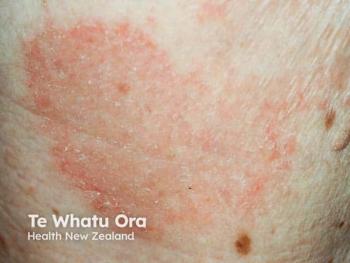
Tralokinumab offers a promising alternative for patients with atopic dermatitis experiencing dupilumab-related arthralgia, achieving skin clearance and symptom relief.

Triveni Bio initiates a phase 1 trial for TRIV-509, a promising treatment for atopic dermatitis, targeting key inflammatory pathways.

Albert Chiou, MD, MBA, discusses early clinical data on soquelitinib for atopic dermatitis, highlighting its targeted ITK inhibition, dose-dependent efficacy, favorable safety profile, and more.

The study offers reassurance regarding the safety profile of JAKis in patients with severe atopic dermatitis, particularly concerning their impact on venous thromboembolic events.

Christopher Bunick, MD, PhD, discusses key differences in AD biologics and challenges in achieving optimal treatment targets.

GLP-1 receptor agonists show promise in reducing cardiovascular risks for patients with chronic inflammatory skin diseases like psoriasis and atopic dermatitis.

Extended oral corticosteroid therapy in patients with atopic dermatitis significantly increases cardiovascular and thrombotic risks, urging careful treatment evaluations.

Researchers reveal TRIV-509, a novel monoclonal antibody, shows promise in rapidly improving atopic dermatitis by restoring skin barrier integrity and reducing inflammation.

Raj Chovatiya, MD, PhD, MSCI, discusses how IL-13 and IL-31 inhibitors represent distinct yet complementary mechanisms in the management of atopic dermatitis.

To hear more about AD advancements from Shahriari and Lio in person, register to attend the Revolutionizing Atopic Dermatitis Conference 2025 in Nashville, Tennessee, on June 6 and 7.
Christopher Bunick, MD, PhD, explains why composite endpoints are now critical for evaluating patient outcomes in AD therapy.
Advertisement
Advertisement
Trending on Dermatology Times
1
FDA Approves Baricitinib for Adolescents With Severe Alopecia Areata
2
Dr. Charrow Highlights Earlier Biologic Use and Deroofing in Hidradenitis Suppurativa
3
From Mechanism to Management: Navigating Male Pattern Hair Loss and New Topical Therapies
4
Tremfya Meets Primary, Major Secondary Endpoints in Phase 4 STAR Study of Axial PsA
5