


Opinion|Videos|October 7, 2025
Treatment Selection and Standard of Care in Melasma
Panelists discuss how treatment selection for melasma should begin with topical regimens including lightening agents, retinoids, and sun protection before considering procedures, emphasizing patient adherence and the appropriate use of hydroquinone and triple combination therapies as gold standard treatments despite some tolerability concerns.
Advertisement
Episodes in this series
Treatment Selection and Standard of Care in Melasma
Treatment selection for melasma should be individualized based on patient tolerance, expectations, and disease severity, with the primary goal of achieving early visible improvement to enhance patient adherence and treatment adherence. The foundation of melasma treatment involves topical depigmenting agents combined with broad-spectrum photoprotection, which must be established before considering any procedural interventions. This approach ensures optimal treatment outcomes and prevents potential complications from premature procedural treatments.
First-line topical therapy typically includes depigmenting agents and retinoids, which provide multiple benefits including collagen stimulation, skin tone evening, and anti-aging effects. Hydroquinone remains a valuable treatment option when used appropriately and responsibly, typically in short courses to achieve rapid improvement and patient buy-in. Concentrations can be adjusted from 4% upward based on patient tolerance, with careful monitoring for adverse effects. Mild topical corticosteroids may be incorporated to address underlying inflammation, though long-term use should be avoided.
The triple-combination therapy (hydroquinone, tretinoin, and corticosteroid) represents an established treatment approach, though opinions vary regarding its optimal use. While highly effective for rapid depigmentation, concerns exist about patient dependence due to quick results and potential for unnatural-appearing skin lightening. Modern compounding pharmacy capabilities allow for customized formulations with adjusted concentrations to optimize efficacy while minimizing adverse effects. Regardless of the specific regimen chosen, patient education about the chronic nature of melasma and the necessity for long-term topical maintenance therapy remains paramount for preventing recurrence and maintaining treatment gains.
Advertisement
Related to this article
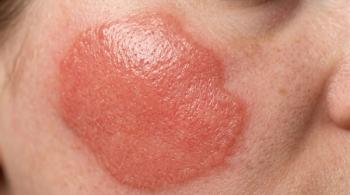
Phase 2 data presented at EADV 2026 showed daxdilimab significantly reduced disease activity and improved response rates in treatment-refractory DLE.
Presented as a late breaker at EADV 2026, mid-dose zumilokibart achieved EASI-75 in 65.9% of adults with atopic dermatitis vs 23.4% with placebo at week 16.

This review of the latest dermatological studies includes insights on ruxolitinib for lichen planus, early vitiligo treatment, psoriasis response, AD disease control, and PFB management.
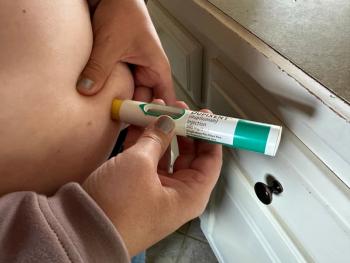
EADV 2026 data highlight dupilumab’s effects on growth, quality of life, disease control, and itch across multiple dermatologic diseases.
The FDA approved therapies for melanoma, dermatomyositis, superficial basal cell carcinoma, and adolescent alopecia areata, while TYK2 inhibitors and rare disease filings advanced toward 2027 decisions.
Dermatology Times is looking back on the top stories in dermatology from the month of September.

Explore the top headlines of the month, including insights on the latest clinical trials, therapeutic updates, and more.
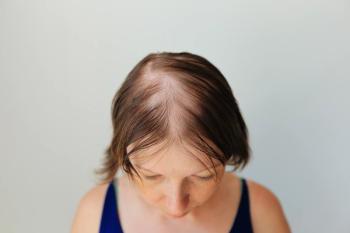
From emerging therapies to earlier intervention and psychosocial support, Dermatology Times looks back at key alopecia areata developments in 2026.
Advertisement
Advertisement
Trending on Dermatology Times
1
Dupilumab Data at EADV 2026 Highlight Outcomes Across AD, CSU, and Prurigo Nodularis
2
Dermatology FDA and Pipeline Review: Q3 2026 Approvals and Readouts
3
FDA Approves Baricitinib for Adolescents With Severe Alopecia Areata
4
Alopecia Areata Awareness Month: 2026 in Review
5