Now Playing
Panelists discuss how melasma is a chronic disease caused by the interplay of hormones, sunlight, heat, and genetic predisposition, emphasizing that prevention through comprehensive sun protection including daily sunscreen use (particularly tinted mineral formulations), avoiding peak sun hours, wearing protective clothing, and considering oral supplements is essential for managing this condition that requires lifelong treatment rather than a cure.
Overview of Risk Factors and Prevention in Melasma
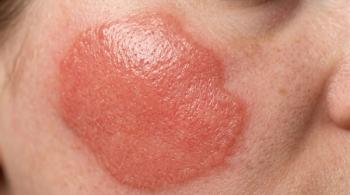
Melasma is a chronic hyperpigmentation disorder characterized by the complex interplay of 3 primary risk factors: hormones, UV light exposure, and heat. This condition also has a genetic component, though inheritance patterns are not directly linear, making some individuals more predisposed than others. Understanding melasma as a chronic disease without a definitive cure is crucial for both clinicians and patients, as it requires ongoing management rather than a temporary treatment approach.
Prevention and management of melasma centers on controlling modifiable risk factors, particularly UV exposure through comprehensive sun protection strategies. Daily broad-spectrum sunscreen application forms the cornerstone of treatment, with mineral-based formulations offering advantages for sensitive skin and those with allergies. Tinted mineral sunscreens provide additional benefits by protecting against visible light and blue light, which are increasingly recognized as contributors to hyperpigmentation. The availability of diverse shade options in tinted formulations has improved accessibility across different skin tones.
Comprehensive photoprotection extends beyond topical sunscreens to include behavioral modifications such as avoiding peak sun exposure hours (10 AM to 2-4 PM), seeking shade, and using protective clothing including wide-brimmed hats and sunglasses. Oral photoprotective supplements containing polypodium leucotomos can serve as adjunctive internal protection, though they should complement rather than replace topical sunscreen application. Patient education regarding the chronic nature of melasma and the necessity of consistent preventive measures is essential for successful long-term management and prevention of recurrence.