


Opinion|Videos|October 7, 2025
Safety Concerns With Hydroquinone and Role of Alternative Tyrosinase Inhibitors in Melasma
Panelists discuss how hydroquinone’s safety concerns including ochronosis and irritation necessitate the use of alternative tyrosinase inhibitors such as thiamidol, cysteamine, kojic acid, and lotus sprout extract, which offer better tolerability and can provide an overall skin evening and glow that patients desire.
Advertisement
Episodes in this series
Safety Concerns with Hydroquinone and Role of Alternative Tyrosinase Inhibitors in Melasma
Hydroquinone, while effective for melasma treatment, carries significant safety concerns that necessitate careful monitoring and appropriate usage protocols. The most serious adverse effect is ochronosis, a permanent condition characterized by blue-black pigmentation that is extremely difficult to treat once established. Patients may not recognize this complication initially, as they perceive it as worsening hyperpigmentation, leading to continued application and further exacerbation. Additional concerns include irritant contact dermatitis and potential cytotoxicity with prolonged high-dose usage, emphasizing the importance of supervised, time-limited treatment courses.
Given the limitations of long-term hydroquinone use, alternative tyrosinase inhibitors have become essential components of melasma management. Established agents include kojic acid and azelaic acid, while newer options such as thiamidol, cysteamine, turmeric extract, and lotus sprout extract offer additional therapeutic possibilities. These alternatives provide different application schedules and tolerability profiles, allowing for individualized treatment approaches based on patient preferences and skin sensitivity.
The selection among alternative tyrosinase inhibitors depends on factors including tolerability, availability, and application convenience. Thiamidol is particularly favored for its excellent tolerability and wider availability, while cysteamine is preferred for its short-contact application method and ability to provide natural skin tone evening. These nonhydroquinone agents offer advantages beyond pigment reduction, including improved overall skin texture, glow, and evenness that hydroquinone may not provide. Additionally, most can be applied to broader facial areas without concern for creating hypopigmentation halos around treated spots, unlike the precise application required with hydroquinone.
Advertisement
Related to this article
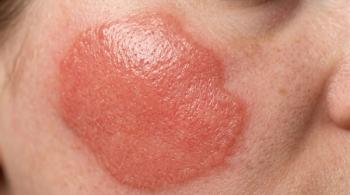
Phase 2 data presented at EADV 2026 showed daxdilimab significantly reduced disease activity and improved response rates in treatment-refractory DLE.
Presented as a late breaker at EADV 2026, mid-dose zumilokibart achieved EASI-75 in 65.9% of adults with atopic dermatitis vs 23.4% with placebo at week 16.

This review of the latest dermatological studies includes insights on ruxolitinib for lichen planus, early vitiligo treatment, psoriasis response, AD disease control, and PFB management.
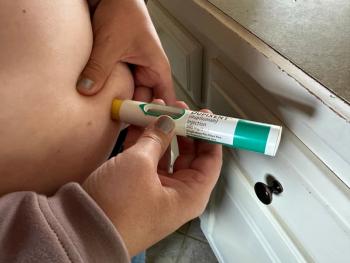
EADV 2026 data highlight dupilumab’s effects on growth, quality of life, disease control, and itch across multiple dermatologic diseases.
The FDA approved therapies for melanoma, dermatomyositis, superficial basal cell carcinoma, and adolescent alopecia areata, while TYK2 inhibitors and rare disease filings advanced toward 2027 decisions.
Dermatology Times is looking back on the top stories in dermatology from the month of September.

Explore the top headlines of the month, including insights on the latest clinical trials, therapeutic updates, and more.
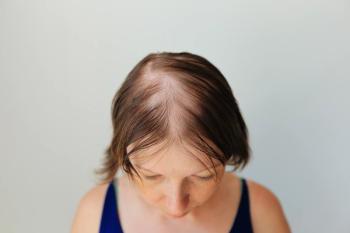
From emerging therapies to earlier intervention and psychosocial support, Dermatology Times looks back at key alopecia areata developments in 2026.
Advertisement
Advertisement
Trending on Dermatology Times
1
Dupilumab Data at EADV 2026 Highlight Outcomes Across AD, CSU, and Prurigo Nodularis
2
Dermatology FDA and Pipeline Review: Q3 2026 Approvals and Readouts
3
FDA Approves Baricitinib for Adolescents With Severe Alopecia Areata
4
Alopecia Areata Awareness Month: 2026 in Review
5