


Opinion|Videos|October 14, 2025
Clinical Evidence for Thiamidol and Use of Combination Therapies
Panelists discuss how nonhydroquinone agents, such as thiamidol, demonstrate excellent tolerability profiles in data from head-to-head studies and how combination therapies including chemical peels, picosecond lasers, microneedling with transdermal delivery, and oral tranexamic acid can be used as adjunctive treatments for stubborn melasma cases that plateau with topical therapy alone.
Advertisement
Episodes in this series
Real-World Experiences with Thiamidol in Melasma and PIH
Clinical experience with thiamidol demonstrates its practical utility in challenging hyperpigmentation cases, particularly those unsuitable for traditional hydroquinone therapy. A representative case involved a patient with extensive stippled postinflammatory hyperpigmentation secondary to compulsive skin picking, where the irregular pattern made precise hydroquinone application impractical. The patient successfully incorporated thiamidol’s 4-times-daily application regimen alongside retinol and adjunctive chemical peels, demonstrating that motivated patients can manage complex multistep protocols when they observe therapeutic benefits.
The layering sequence proves critical for optimal thiamidol absorption and tolerability when combined with other active ingredients. The recommended approach involves applying thiamidol twice daily with retinol application over thiamidol-containing serums in the evening routine. This sequence takes advantage of the moisturizing properties of thiamidol formulations to create an optimal skin environment for retinoid penetration while bypassing potential epidermal barrier issues. The hydrating nature of these products allows for the use of higher-concentration retinoids than might otherwise be tolerated, maximizing therapeutic potential.
For melasma management, thiamidol demonstrates versatility in combination protocols, often used twice daily alongside complementary agents such as cysteamine (applied once with short contact time) and antioxidants for morning application, with stronger retinoids reserved for nighttime use. This approach accommodates the greater complexity tolerance typically seen in adult patients with melasma compared with younger individuals with postinflammatory hyperpigmentation (PIH). The key insight from clinical practice is that combination therapy rather than monotherapy represents the standard approach for optimal outcomes, with the selection and sequencing of agents tailored to individual patient characteristics, tolerability, and adherence capabilities.
Advertisement
Related to this article
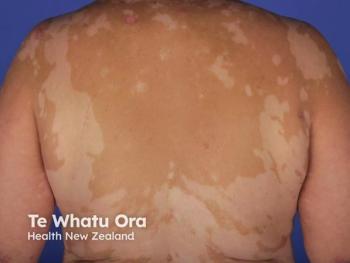
The FDA clearance allows Edesa to expand an ongoing placebo-controlled study of the CXCL10 antibody EB06 to US sites, with topline data expected in the fourth quarter of 2027.

The novel oral helicase-primase inhibitor demonstrated significantly higher rates of complete lesion healing compared with investigator’s choice treatment in the phase 3 PRIOH-1 trial.
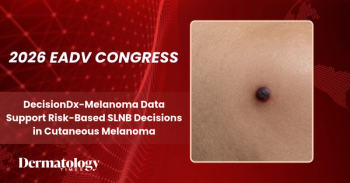
Prospective data suggest DecisionDx-Melanoma may help refine SLNB decisions and identify recurrence risk beyond conventional staging.

Falk G. Bechara, MD, discusses long-term tunnel control, structural damage, and the evolving role of biologics and surgery in HS care.
Galderma has agreed to acquire ZO Skin Health for $1.5 billion, adding the physician-dispensed skincare brand to a portfolio that already includes Cetaphil and Alastin.

New dermatology research explores hidden steroids in OTC products, infant eczema, melanoma prevention, cutaneous lymphoma, and pediatric AD.

SYX-5219 improved disease severity and itch in a Phase 1b trial of adults with moderate to severe atopic dermatitis.

In a survey of 301 employed adults, overall work impairment attributable to CHE was 31.8%, and quality of life worsened in step with self-reported disease severity.
Advertisement
Advertisement
Trending on Dermatology Times
1
FDA Approves Pritelivir for Refractory Mucocutaneous HSV in Immunocompromised Adults
2
GLP-1 Agonists Address Metabolic Risk in Psoriatic Disease
3
EB06 Phase 2 Vitiligo Study Receives FDA IND Clearance
4
EADV 2026 Atopic Dermatitis Highlights: Tilrekimig, RAC2 Inhibition, and Level Up Data
5