


Opinion|Videos|October 21, 2025
Management of Acne-Induced PIH and Individualized Approaches
Panelists discuss how postinflammatory hyperpigmentation (PIH) from acne requires simultaneous treatment of both the underlying acne and the resulting pigmentation using retinoids as first-line therapy, salicylic acid for exfoliation, and newer cosmeceuticals that can be tolerated even during isotretinoin therapy, emphasizing that treating pigmentation alone without addressing active acne is ineffective.
Advertisement
Episodes in this series
Management of Acne-Induced PIH and Individualized Approaches
Post-inflammatory hyperpigmentation secondary to acne represents a distinct clinical challenge with profound psychosocial impact across diverse patient populations. Unlike melasma, which primarily affects specific demographic groups, acne-related hyperpigmentation can occur at any age and affects all skin types, often causing significant emotional distress that interferes with interpersonal relationships, self-esteem, career advancement, and academic performance. Many patients present with hyperpigmentation as their primary complaint without recognizing the ongoing acne component, requiring clinicians to identify and address both the underlying inflammatory process and its pigmentary sequelae simultaneously.
The fundamental treatment principle for acne-induced PIH involves dual management of active acne and existing pigmentation, as failure to control the underlying inflammatory condition perpetuates the cycle of hyperpigmentation development. Retinoids serve as first-line therapy, providing benefits for acne prevention and pigmentation improvement through their effects on cellular turnover and collagen stimulation. Salicylic acid and other beta-hydroxy acids offer additional benefits through their exfoliating properties and can be incorporated through various formulations including cleansers, topical preparations, and chemical peels. The approach differs from melasma management in that heat-based treatments pose less concern, allowing for broader therapeutic options.
Tolerability considerations become particularly important in acne-induced hyperpigmentation management, especially for patients receiving isotretinoin therapy who cannot tolerate traditional irritating agents such as hydroquinone. Newer cosmeceuticals including thiamidol and cysteamine demonstrate better tolerance profiles during isotretinoin treatment, allowing concurrent treatment of severe acne and associated pigmentation. Cysteamine’s short-contact application method and once-daily dosing provide practical advantages for patients managing multiple skin concerns. The integration of these newer agents allows for more comprehensive treatment approaches that address inflammatory and pigmentary components simultaneously rather than requiring sequential treatment phases.
Advertisement
Related to this article
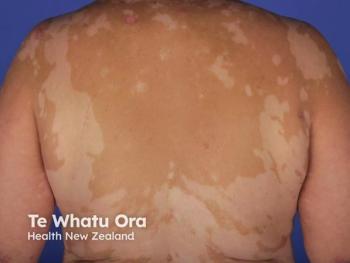
The FDA clearance allows Edesa to expand an ongoing placebo-controlled study of the CXCL10 antibody EB06 to US sites, with topline data expected in the fourth quarter of 2027.

The novel oral helicase-primase inhibitor demonstrated significantly higher rates of complete lesion healing compared with investigator’s choice treatment in the phase 3 PRIOH-1 trial.
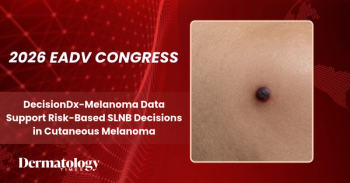
Prospective data suggest DecisionDx-Melanoma may help refine SLNB decisions and identify recurrence risk beyond conventional staging.

Falk G. Bechara, MD, discusses long-term tunnel control, structural damage, and the evolving role of biologics and surgery in HS care.
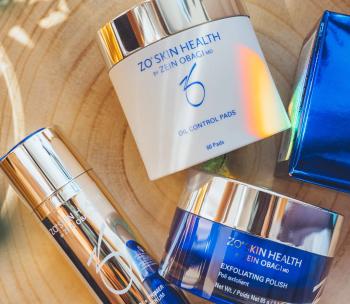
Galderma has agreed to acquire ZO Skin Health for $1.5 billion, adding the physician-dispensed skincare brand to a portfolio that already includes Cetaphil and Alastin.

New dermatology research explores hidden steroids in OTC products, infant eczema, melanoma prevention, cutaneous lymphoma, and pediatric AD.

SYX-5219 improved disease severity and itch in a Phase 1b trial of adults with moderate to severe atopic dermatitis.

In a survey of 301 employed adults, overall work impairment attributable to CHE was 31.8%, and quality of life worsened in step with self-reported disease severity.
Advertisement
Advertisement
Trending on Dermatology Times
1
FDA Approves Pritelivir for Refractory Mucocutaneous HSV in Immunocompromised Adults
2
GLP-1 Agonists Address Metabolic Risk in Psoriatic Disease
3
EB06 Phase 2 Vitiligo Study Receives FDA IND Clearance
4
EADV 2026 Atopic Dermatitis Highlights: Tilrekimig, RAC2 Inhibition, and Level Up Data
5