


Opinion|Videos|October 21, 2025
Integrating Chemical Peels and Addressing Real-World Barriers in Melasma
Panelists discuss how chemical peel selection must consider Fitzpatrick skin type with superficial peels safe for all patients while medium-depth peels require careful application in darker skin, and how treatment adherence is affected by multiple factors including application frequency, cost burden, insurance coverage limitations, and the need to manage patient expectations while accounting for concurrent use of social media–influenced products.
Advertisement
Episodes in this series
Integrating Chemical Peels and Addressing Real-World Barriers in Melasma
Chemical peel selection requires careful consideration of patient skin type, particularly for individuals with higher Fitzpatrick skin types where deeper pigmentation increases the risk of postinflammatory hyperpigmentation. Superficial peels can be safely utilized across all skin types, from the lightest to the most heavily pigmented patients. When superficial treatments prove insufficient, medium-depth peels may be cautiously considered, though practitioners should typically avoid exceeding 25% trichloroacetic acid concentrations in Fitzpatrick type V or VI patients. The controlled injury nature of chemical peels demands precise application and close monitoring to prevent complications that could worsen pigmentary disorders.
Treatment adherence presents significant challenges in melasma management, requiring individualized approaches based on patient lifestyle, financial constraints, and tolerance for complex regimens. The optimal application schedule for some agents such as thiamidol (4 times daily) and cysteamine (15-minute contact time on clean skin) may not be realistic for all patients. Physicians must assess patient readiness and gradually build regimens rather than overwhelming patients with complex protocols from the outset. Starting with key components and adding treatments based on patient response and adherence helps ensure better long-term adherence and outcomes.
Cost considerations significantly impact melasma treatment accessibility, as this medical condition often receives limited insurance coverage for topical therapies and procedural interventions. Patients require clear expectations about out-of-pocket expenses for specialized compounded medications, cosmeceuticals, and procedures. The availability of commercially accessible newer agents and flat-rate compounding pharmacy options has improved treatment affordability. However, the financial burden remains substantial, necessitating transparent discussions about costs and prioritization of treatments based on efficacy and patient financial capacity. Practitioners must balance optimal treatment protocols with realistic patient resources while maintaining therapeutic effectiveness.
Advertisement
Related to this article
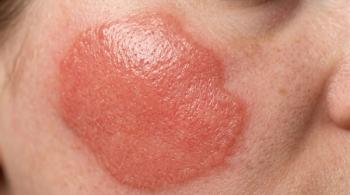
Phase 2 data presented at EADV 2026 showed daxdilimab significantly reduced disease activity and improved response rates in treatment-refractory DLE.
Presented as a late breaker at EADV 2026, mid-dose zumilokibart achieved EASI-75 in 65.9% of adults with atopic dermatitis vs 23.4% with placebo at week 16.

This review of the latest dermatological studies includes insights on ruxolitinib for lichen planus, early vitiligo treatment, psoriasis response, AD disease control, and PFB management.
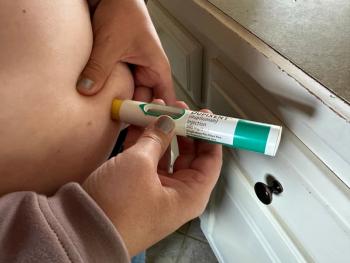
EADV 2026 data highlight dupilumab’s effects on growth, quality of life, disease control, and itch across multiple dermatologic diseases.
The FDA approved therapies for melanoma, dermatomyositis, superficial basal cell carcinoma, and adolescent alopecia areata, while TYK2 inhibitors and rare disease filings advanced toward 2027 decisions.
Dermatology Times is looking back on the top stories in dermatology from the month of September.

Explore the top headlines of the month, including insights on the latest clinical trials, therapeutic updates, and more.
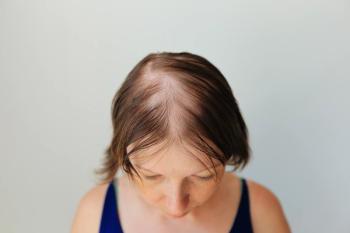
From emerging therapies to earlier intervention and psychosocial support, Dermatology Times looks back at key alopecia areata developments in 2026.
Advertisement
Advertisement
Trending on Dermatology Times
1
Dupilumab Data at EADV 2026 Highlight Outcomes Across AD, CSU, and Prurigo Nodularis
2
FDA Approves Baricitinib for Adolescents With Severe Alopecia Areata
3
Dermatology FDA and Pipeline Review: Q3 2026 Approvals and Readouts
4
Alopecia Areata Awareness Month: 2026 in Review
5