

Opinion|Videos|November 4, 2026
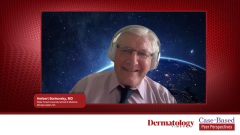
EPP Patient Journey: Oral Therapies and Regaining Freedom in the Sun
Author(s)Herbert Bonkovsky, MD
Two oral trial drugs changed one patient's daily life, culminating in his first beach visit without protective gear. He and Dr. Bonkovsky compare the therapies he has tried over nearly 15 years.
Advertisement
Episodes in this series
In "EPP Patient Journey: Oral Therapies and Regaining Freedom in the Sun," the conversation turns to the newer oral agents Mr. Willis has taken.
Dr. Bonkovsky reminds Mr. Willis that he later joined a placebo-controlled trial of dersimelagon, a small-molecule melanocortin-1 receptor agonist with a mechanism similar to afamelanotide that increases skin pigment and reduces photosensitivity. Mr. Willis became much darker than before, so he knew he had the active drug. He liked that the effect was consistent, without the start-up and cooling-down periods he experienced between implants. That consistency eased the mental strain and gave him confidence to be more aggressive about sun exposure.
Next came the Phase 3 trial of bitopertin. Dr. Bonkovsky explains that the drug inhibits the glycine-1 transporter, reducing glycine uptake into developing red cells and the substrate for the first step of heme synthesis. He notes there were early concerns about anemia and other adverse effects. Mr. Willis had none apart from mild dry skin and dizziness lasting 15 to 20 minutes after his first dose. Without pigmentation to give him confidence, he committed to pushing the limits anyway, and he received active drug. He has had three and a half years of benefit, including more than two years of open-label extension and expanded access. He recently went to the beach with his family for the first time without full gear and got a real sunburn. He says a porphyria phototoxic reaction is far worse.
Asked which drug has been best over nearly 15 years, Mr. Willis credits bitopertin as easy and exceptionally effective. He values the pigmentation he gained from dersimelagon, but with bitopertin he develops only a farmer's tan and a hat-band tan. Dr. Bonkovsky notes that he has tolerated it well.
Our next episode, "EPP Patient Case: Laboratory Findings and Commitment to Clinical Research," reviews Mr. Willis's laboratory findings and explains why he chose to keep participating in research.
Advertisement
Related to this article

Doral Fredericks, PharmD, MBA, discusses how life stages, mental health, and reproductive concerns can shape dermatologic care for women.
Gaurav Singh, MD, explains how pharmacokinetics, trial design, and real-world tolerability set sonidegib apart from vismodegib in locally advanced basal cell carcinoma and when to start systemic therapy earlier.

Explore the top headlines of the month, including insights on the latest clinical trials, therapeutic updates, and more.

Dermatology Times is looking back on the top stories in dermatology from the month of October.

From “Botox in a bottle” to castor oil and face taping, Dermatology Times reviews the evidence behind 3 viral dermatology trends from October.
Dermatology PAs unpack 4 frightening skin care myths and trends, from sunscreen misinformation and citrus DIYs to overusing actives and beef tallow.
The approval expands the IL-23 inhibitor’s indications beyond moderate-to-severe plaque psoriasis to include adults with active psoriatic arthritis.

Find out what skin care products and aesthetic innovations clinicians are recommending to patients for the month of October.
Advertisement
Advertisement
Trending on Dermatology Times
1
Women’s Health Needs in Psoriasis and Atopic Dermatitis
2
Case 3: Alopecia Areata with Facial Involvement
3
Why Hedgehog Inhibitors Are Not Interchangeable in Locally Advanced BCC
4
JAK Inhibitors in Alopecia Areata: Treatment Goals, Safety Data, and Long-Term Management
5