


Opinion|Videos|October 21, 2026
EPP Treatment Planning: Vitamin D, Glycine Transporter Inhibition, and Liver Monitoring
Author(s)Herbert Bonkovsky, MD
Guideline-based photoprotection, vitamin D repletion, and expanded access to a glycine transporter inhibitor frame the next steps for a teenager with EPP. Hepatitis vaccination and liver imaging guide long-term surveillance.
Advertisement
Episodes in this series
This episode, "EPP Treatment Planning: Vitamin D, Glycine Transporter Inhibition, and Liver Monitoring," follows the 15-year-old patient into treatment planning.
Dr. Bonkovsky says current guidelines call for strict sun avoidance and covering exposed skin. That means wide-brimmed hats, protection for the back of the neck, gloves, and opaque clothing, which tends to be hot and does not breathe well. Patients are usually low in 25-hydroxyvitamin D, and although there are no good controlled data supporting repletion, he recommends oral vitamin D until levels approach 30 nanograms per milliliter.
Turning to bitopertin, he describes a competitive inhibitor of the glycine-1 transporter that reduces glycine uptake into developing red cells, lowering production of ALA and, downstream, protoporphyrin. In the Phase 2 study in Australian adults, patients received 20 or 60 milligrams for 24 weeks. Whole blood protoporphyrin fell about 32% on the lower dose and about 58% on the higher dose, with good tolerance apart from dizziness after the first doses. In the placebo-controlled Phase 3 study, the higher dose lowered protoporphyrin by about 40% within one to two months. After the second month there was not a single phototoxic reaction. Time in sun rose even in the placebo group, so he prefers objective protoporphyrin measures over subjective endpoints. He considers this patient an appropriate candidate for expanded access.
On counseling, he stresses hepatitis A and B antibody testing, with booster vaccination if the hepatitis B surface antibody is below 10 milli-international units per milliliter. He also advises avoiding unnecessary drugs, especially those that cause cholestasis. Estrogens and oral contraceptives are a concern, and a copper IUD may be safer. She needs a baseline liver and gallbladder ultrasound and a FibroScan, and abnormal findings would justify closer follow-up and consideration of liver biopsy. He suspects bitopertin may forestall hepatopathy, though this is not yet demonstrated.
The next episode in this series, "EPP Case 2: Breakthrough Phototoxicity in a Young Construction Worker," introduces a 24-year-old outdoor worker whose job security now depends on controlling his symptoms.
Advertisement
Related to this article

Tina Bhutani-Jacques, MD, explored how disease location, prior treatment response, and patient preference shape topical treatment decisions across 3 plaque psoriasis cases.
Benjamin Ungar, MD, moderated a recent Dermatology Times Case-Based Roundtable event on how to define severity, choose among JAK inhibitors, and monitor patients with alopecia areata.

Clinicians at a Dermatology Times Case-Based Roundtable, moderated by Chesahna Kindred, MD, debated when to escalate to oral JAK inhibitors for alopecia areata and how to counsel patients on timing, monitoring, and safety.
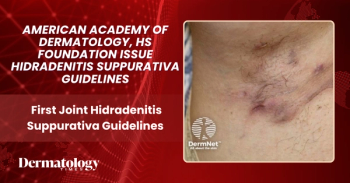
The joint AAD-HSF guideline issues 37 recommendations, including strong support for adalimumab, bimekizumab, infliximab, and secukinumab.

Two-year oral IL-23 data, GLP-1 biomarker findings, and a nonsurgical option for superficial basal cell carcinoma headline the sessions covered in Las Vegas.
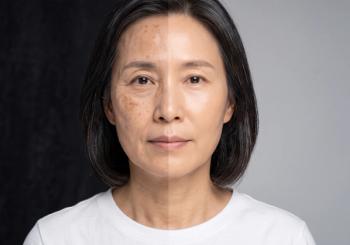
Dermatology’s growing focus on skin longevity demands clear definitions, validated outcomes, and rigorous evidence beyond anti-aging claims.

A retrospective claims analysis of 2897 matched pairs found hazard ratios of 0.48 to 0.67 for new atopic disease with dupilumab vs systemic corticosteroids in children.
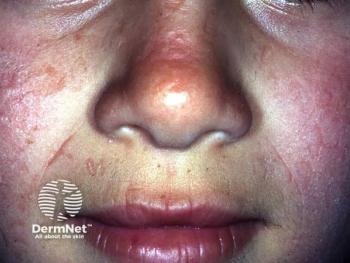
Disc Medicine reports the phase 3 APOLLO trial met all primary and secondary end points, with whole-blood PPIX reduced 41.4% vs placebo and an NDA resubmission planned by end of 2026.
Advertisement
Advertisement
Trending on Dermatology Times
1
AAD, HS Foundation Issue First Joint Hidradenitis Suppurativa Guidelines
2
Dupilumab Associated With Lower Atopic March Risk in Pediatric Atopic Dermatitis
3
Fall Clinical 2026: The Data and Expert Advice Shaping Dermatology Practice
4
Skin Longevity Needs Evidence, Not Hype
5