

Opinion|Videos|October 9, 2026
EPP Standard of Care and the Unmet Need for Earlier Diagnosis
Author(s)Herbert Bonkovsky, MD
Strict photoprotection remains the foundation of EPP care, and only one therapy is approved worldwide. Earlier diagnosis and oral agents that lower protoporphyrin production emerge as the field's most pressing needs.
Advertisement
This episode, "EPP Standard of Care and the Unmet Need for Earlier Diagnosis," features Dr. Bonkovsky reviewing how EPP is managed today and where the greatest gaps remain.
Dr. Bonkovsky describes the current standard of care as avoidance of sun and strong light, supported by opaque clothing, wide-brimmed hats, and gloves. Afamelanotide is the only drug approved anywhere in the world, yet it has gained little ground in the United States. Distribution is limited to a small number of authorized centers. Administration requires a subcutaneous implant placed with a 14-gauge needle and local anesthetic, usually every two months, and many of his patients would have to travel hundreds of miles. Because his center offers trials of newer agents, most patients chose those instead. The drug works by increasing eumelanin, but it can darken moles and scars, and hair becomes noticeably darker with chronic use.
Asked about the biggest unmet need, he points first to earlier diagnosis. He estimates about 6,000 diagnosed patients with EPP or XLP in the United States, based on variant frequencies in the UK Biobank. He believes the true number is at least double. Children aged 8 to 12 with recurrent swelling and pain after sun exposure should be tested, with the sample sent to the correct laboratory.
The second need is a way to reduce protoporphyrin overproduction. He finds bitopertin attractive because 60 milligrams once daily lowers whole blood and red cell protoporphyrin by about 40%, sometimes more, within a month. Side effects are mild, with some dizziness and no severe anemia. Patients report no phototoxic reactions and a much better quality of life, which matters most for teenagers who want to play sports and stay with friends.
In "EPP Case 1: A Teenager with Recurrent Light-Induced Pain and Swelling," Dr. Bonkovsky presents the first patient, a 15-year-old girl whose symptoms went unrecognized for eight years.
Advertisement
Related to this article
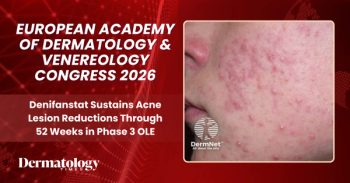
Treatment success reached 56.7% and total lesions fell 71.8% with up to 52 weeks of oral denifanstat, with no adverse event-related discontinuations.
Advertisement
Advertisement
Trending on Dermatology Times
1
Upadacitinib Shows Broader Inflammatory Effects and Earlier Skin Barrier Restoration Than Dupilumab in Atopic Dermatitis
2
FDA Approves Remibrutinib for Symptomatic Dermographism
3
Previewing the 2026 Fall Clinical Dermatology Conference
4
Biofrontera Submits sNDA to Expand Ameluz PDT for Actinic Keratoses Across the Body
5