

Opinion|Videos|October 9, 2026
EPP Misdiagnosis and Long-Term Liver, Iron, and Vitamin D Complications
Author(s)Herbert Bonkovsky, MD
Years can pass between the first symptoms and a correct EPP diagnosis, and those years carry risk. The discussion links delayed recognition to protoporphyric hepatopathy, iron deficiency, and vitamin D deficiency.
Advertisement
In "EPP Misdiagnosis and Long-Term Liver, Iron, and Vitamin D Complications," Dr. Bonkovsky explains why erythropoietic protoporphyria (EPP) is so often diagnosed late and what happens when it is.
The next episode in this series, "EPP Misdiagnosis and Long-Term Liver, Iron, and Vitamin D Complications," features Dr. Bonkovsky on the long road to diagnosis and the liver, iron, and vitamin D consequences of missed EPP.
Dr. Bonkovsky explains that symptoms usually begin in early childhood, often the first time a child goes to the beach or a picnic. Children who cannot yet talk become unhappy, cry, and appear to be in pain. Acute swelling may follow, yet years can pass before the correct diagnosis is made. The usual misdiagnoses are eczema and solar urticaria, and some pediatricians simply label the problem a sun allergy, which he notes does not exist. He urges clinicians to keep a high index of suspicion and to test children who have this history.
He then turns to long-term consequences, beginning with liver injury, which affects about 2% to 3% of patients. Protoporphyrin can leave the body only through uptake into hepatocytes and secretion into bile. When it accumulates, it is toxic to hepatocytes and bile duct cells and can precipitate in the ducts. Over months and years this can progress to fibrosis, cirrhosis, portal hypertension, bleeding varices, liver failure, and the need for transplant.
For that reason he strongly recommends hepatitis A and B vaccination for every patient with EPP or X-linked protoporphyria. Any viral hepatitis, alcohol, or drug that impairs bile flow can worsen liver disease. Mild iron deficiency is common, especially in women, with low ferritin and transferrin saturation. Replacing iron too quickly is dangerous in classical EPP, and intravenous iron is best avoided because it can trigger acute photosensitivity and liver injury. Vitamin D deficiency is also frequent, so he measures 25-hydroxyvitamin D and supplements toward about 30 nanograms per milliliter. Fortunately only a minority of patients develop it, but he calls protoporphyric hepatopathy the most feared complication of the disease.
Our next episode, "EPP Standard of Care and the Unmet Need for Earlier Diagnosis," turns to current photoprotection practices, the single approved therapy, and where the field most needs to improve.
Advertisement
Related to this article
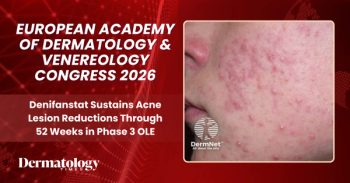
Treatment success reached 56.7% and total lesions fell 71.8% with up to 52 weeks of oral denifanstat, with no adverse event-related discontinuations.
Advertisement
Advertisement
Trending on Dermatology Times
1
Upadacitinib Shows Broader Inflammatory Effects and Earlier Skin Barrier Restoration Than Dupilumab in Atopic Dermatitis
2
FDA Approves Remibrutinib for Symptomatic Dermographism
3
Previewing the 2026 Fall Clinical Dermatology Conference
4
Biofrontera Submits sNDA to Expand Ameluz PDT for Actinic Keratoses Across the Body
5