

Opinion|Videos|November 3, 2026
JAK Inhibitors in Alopecia Areata: Treatment Goals, Safety Data, and Long-Term Management
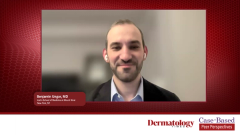
Author(s)Benjamin Ungar, MD
Clear goals, honest counseling after treatment failure, and long-term monitoring support durable response. Dr. Ungar reviews JAK inhibitor safety data and why continuing therapy matters for maintaining regrowth.
Advertisement
Episodes in this series
Dr. Ungar reads the Case 3 follow-up: the patient is a normal CYP2C9 metabolizer, with normal CBC, TSH, and ferritin, negative tuberculosis screening, and up-to-date immunizations. He then discusses treatment goals, which begin with a conversation about what the patient hopes for and what is realistic. Severe disease may take longer to regrow, and data show that ongoing therapy is important because only a small percentage maintain response off treatment. His overall goal is a patient who feels better and has minimal psychosocial burden, ideally with full regrowth.
For patients whose first therapy fails, counseling should start at initiation. He recommends cautious optimism, explaining that regrowth takes months and not everyone responds to the first drug. A failed first treatment does not predict failure of the next, and that hope helps patients stay positive.
On safety, he notes that class concerns come from tofacitinib, studied in a different disease. These are immunosuppressive medications, not zero-risk, but alopecia areata data across thousands of patients suggest risks are in line with background rates of myocardial infarction, deep vein thrombosis, and malignancy. Any increase appears minimal, so the risk-benefit balance is favorable. The differences among the three agents are small, access matters most, and this patient's normal CYP2C9 status makes deuruxolitinib a reasonable start.
For long-term management, stopping after regrowth carries a high likelihood of lost response. Dr. Ungar checks labs about every three months initially and spaces them out later. He also schedules regular follow-up and encourages patients to call between visits about flares, since fear of relapse persists.
Up next, in "Patient Perspective on Alopecia Areata: Sudden Hair Loss and Delayed Diagnosis," a patient with alopecia areata universalis recounts how her hair loss began and why diagnosis took months.
Advertisement
Related to this article

Gaurav Singh, MD, explains how pharmacokinetics, trial design, and real-world tolerability set sonidegib apart from vismodegib in locally advanced basal cell carcinoma and when to start systemic therapy earlier.

Explore the top headlines of the month, including insights on the latest clinical trials, therapeutic updates, and more.
Dermatology Times is looking back on the top stories in dermatology from the month of October.

From “Botox in a bottle” to castor oil and face taping, Dermatology Times reviews the evidence behind 3 viral dermatology trends from October.

Dermatology PAs unpack 4 frightening skin care myths and trends, from sunscreen misinformation and citrus DIYs to overusing actives and beef tallow.
The approval expands the IL-23 inhibitor’s indications beyond moderate-to-severe plaque psoriasis to include adults with active psoriatic arthritis.

Find out what skin care products and aesthetic innovations clinicians are recommending to patients for the month of October.
Clinician FAQ on remibrutinib's FDA approval in symptomatic dermographism: RemIND efficacy, mechanism, safety, and supporting CSU evidence.
Advertisement
Advertisement