

Opinion|Videos|October 27, 2026
Case 2: Assessing Severity and Rapid Progression in Alopecia Areata
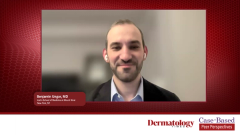
Author(s)Benjamin Ungar, MD
Scalp hair loss of 36 percent may look moderate on paper, yet progression and social withdrawal can make disease severe. Dr. Ungar explains why regrowth is central to relieving psychosocial burden.
Advertisement
Episodes in this series
Dr. Ungar reads Case 2, a 29-year-old woman whose patchy scalp loss progressed from 21 percent to 36 percent over three months. She has no eyebrow, eyelash, or nail involvement and no autoimmune or atopic history. Topical corticosteroids and rosemary oil have helped little, and she has begun avoiding social events and covering her head at work.
He finds the case very typical. Progression over about three months is common, but the most important feature is anxiety that interferes with her work, productivity, and social life. Dr. Ungar addresses the view that this is just hair and she can wear a covering, saying the effect on her life is huge. She also fears further progression, which can indeed happen.
By SALT alone, 36 percent loss would be moderate. Using the alopecia areata scale, the significant progression and psychosocial burden upgrade her to severe disease. Dr. Ungar calls this a clear-cut severe case in which psychosocial impact plays a core role.
Addressing the burden ideally involves a multidisciplinary approach that includes therapists, social support, and support groups. Still, one of the most powerful interventions is helping her regrow her hair, which requires medical therapy. Patients who regrow hair often feel like themselves again, almost like new people, although some fear of relapse persists. That benefit is a driving factor in escalating to systemic therapy. Staying on treatment also lowers the likelihood of worsening and of later flares. The case concludes with the decision to start a JAK inhibitor given the rate of progression and psychosocial burden.
The next episode in this series, "Alopecia Areata Patient-Reported Outcomes: Defining Treatment Success and Monitoring Response," features Dr. Ungar reviewing patient satisfaction data and timelines for judging response.
Advertisement
Related to this article
LRM will evaluate injectable rhPDGF-BB as a regenerative approach to infraorbital hollowing in a randomized phase 2b trial.
ORKA-001 achieved PASI 100 in 61% of high-dose patients at week 16 in the phase 2b EVERLAST-B trial of moderate-to-severe psoriasis.

Put your dermatology expertise to the test with Dermatology Times’ interactive quiz series.
Stratman discusses individualized eczema care, expanding treatment options, and the potential of precision medicine to guide therapy.
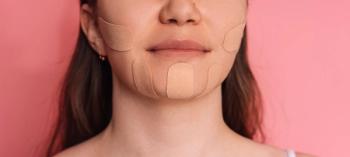
Face taping promises smoother skin and fewer wrinkles without injectables, but evidence suggests any visible benefits are largely temporary.

Explore trending plant oils in skincare and haircare, plus 2026’s hottest actives like ectoin and hypochlorous acid—balancing glow, barrier repair, and irritation risks.

Houston dermatology clinicians compared severity scoring, JAK inhibitor safety data, and psychosocial counseling strategies across 3 alopecia areata patient cases.

Preview the trial data dermatology NPs and PAs will dissect in small-group sessions on AD, psoriasis, and type 2 disease at Horizons in Advanced Practice.
Advertisement
Advertisement
Trending on Dermatology Times
1
ORKA-001 Achieves 61% Complete Skin Clearance in Psoriasis
2
FDA Accepts IND for Injectable rhPDGF-BB in Under-Eye Hollowing
3
Type 2 Inflammation, Growth Curve, and HS Guidance for Advanced Practice
4
Beyond Dry Skin: Rethinking Common Eczema Misconceptions
5