





Three studies point to links between rosacea and numerous systemic comorbid diseases.
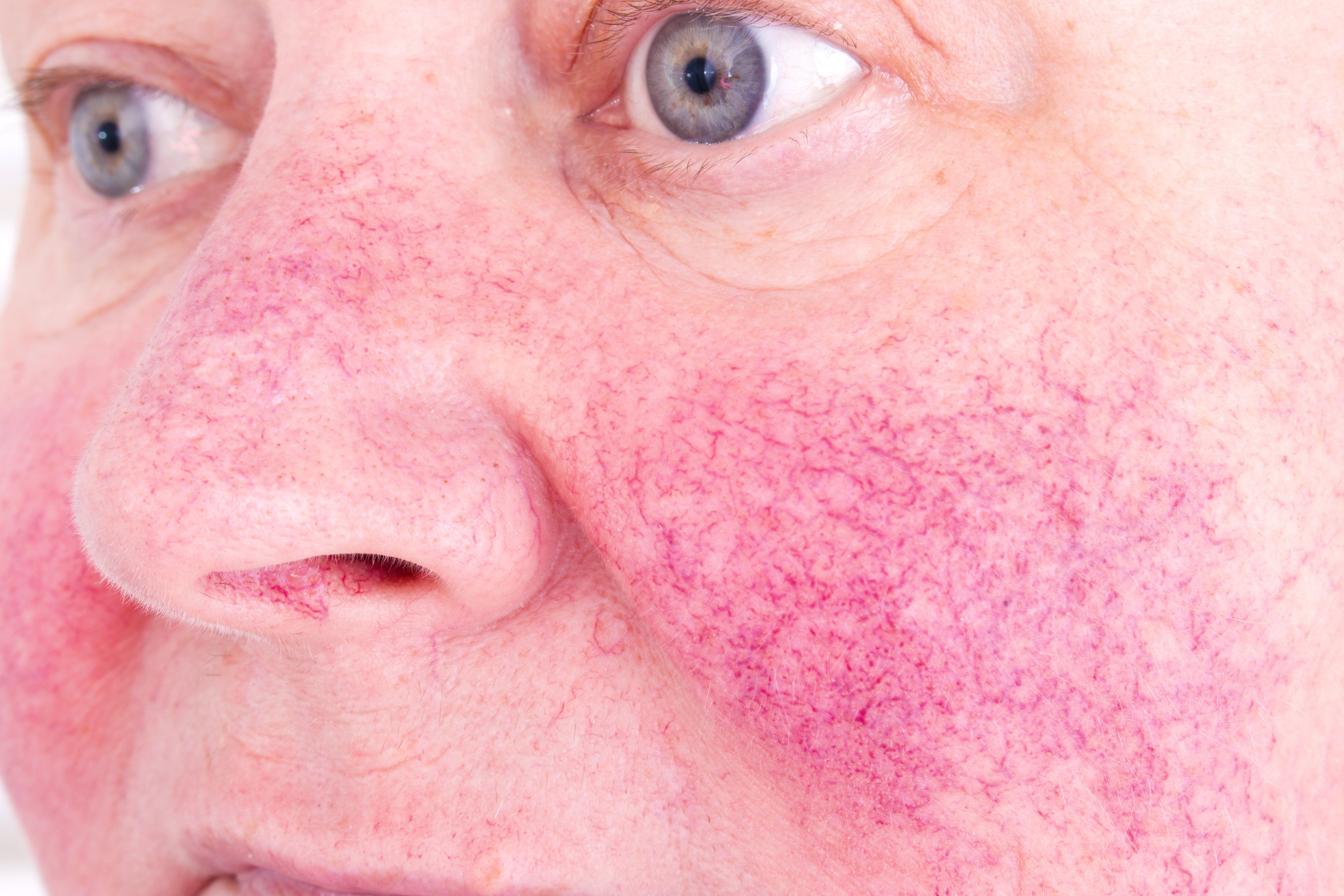
Three studies point to links between rosacea and numerous systemic comorbid diseases.
Because rosacea is an inflammatory disease there is scientific rationale for a possible association between it and other inflammatory diseases. A recent study demonstrates that rosacea patients have a greater percentage of gastrointestinal disorders than do controls and should be evaluated further if they present with GI symptoms. In such cases a systematic approach to the treatment of both conditions may be warranted.
A revised and updated set of criteria and treatment recommendations establishes a phenotype approach to diagnosing and classifying rosacea. This approach marks a transition from treating rosacea patients according to subtype. Global representation may identify research needed to determine whether rosacea is a global condition.
Keeping abreast of findings regarding the immunological, neurological and vascular roots of rosacea helps dermatologists target treatments accordingly, experts say.
Researchers analyzed messages in an online forum to understand the most vexing issues facing rosacea patients. They found tremendous confusion around available therapeutics.
While a cause-and-effect link is elusive, it’s possible that environmental and lifestyle factors could explain why rosacea patients appear to suffer more from various conditions. But recent genetic research has hinted at inherited links between rosacea and autoimmune disorders. Recent findings provide more evidence.
Antibiotic resistances are on the rise and as such, it behooves dermatologists to use antibiotics only when necessary and in combination with topical agents wherever possible in order to help stop this alarming trend.
Research suggests colonization of demodex relates to immune activation of the skin, and certain individuals show genetic predisposition to rosacea. Greater disease understanding may offer insight into therapeutic approaches.
Clinicians now have a better understanding of rosacea from its potential pathogeneses to the systemic diseases associated with the condition. Learn more
Topical 90 percent medical grade kanuka honey and 10 percent glycerin may be an effective rosacea treatment, according to a study.
The treatment and management of acne and rosacea in patients with skin of color can be tricky and it behooves the astute clinician to be wary of the pitfalls and challenges associated with treatment.
A recent study shows people with facial erythema were strongly associated with having poor health and negative personality traits. Participants reported negative impacts of rosacea emotionally, socially, and at work. Doctors should seek to address both the aesthetic as well as the psychological impacts of the disease.
Erythematotelangiectatic rosacea, characterized by diffuse and persistent facial redness and telangiectasias, is a challenging disease to treat. Recent advances in laser and light therapies appear effective in improving these symptoms.
Research into the microbiome of the skin is advancing. A greater understanding of how the different microbes interact may lead to new treatment options for conditions like rosacea, but more questions still remain.
A recent study has shed some light on the genetic predisposition of rosacea as well as other associated environmental factors, which could lead to improved treatment and management of the disease.
Nearly half of rosacea patients thought they had acne before being diagnosed. Learn how to explain the difference between rosacea and acne to patients and help them get the care they need.
Researchers assess the impact of facial erythema on the subconscious perceptions and initial reactions of others and how these affect their resulting attitudes.
Researchers have identified gene variants that could lead to new treatment targets and a better understanding of rosacea.
Emerging therapies for rosacea have a favorable side effect profile and address specific symptoms of the condition; brimonidine, for example, addresses background erythema while ivermectin addresses the papules and pustules.
Treating common skin conditions such as rosacea and melasma with appropriate topical agents, chemical peels, devices and cosmeceuticals can build trust among patients who may require additional dermatological services, experts say.
Lead author and a Galderma consultant dermatologist Linda Stein Gold, M.D. writes to Dermatology Times that results from Soolantra (ivermectin) Cream, 1% were seen in clinical studies as early as week two, with continuous improvement in patients with inflammatory lesions of rosacea.
Topical ivermectin cream 1 percent has shown safety and statistically superior efficacy versus vehicle as early as week two of treatment in phase 3 trials.
As researchers learn more about the pathogenesis of rosacea, they can better understand the benefits of certain medications and find opportunities for new therapies.
In the search for rosacea treatments, topical ivermectin 1 percent cream met its safety endpoints in two pivotal trials that included a total of 910 actively treated subjects, Galderma announced at the 72nd Annual Meeting of the American Academy of Dermatology.
A study shows data to suggest there is evidence of subtype progression in rosacea, and that flushing is not a universal characteristic of patients with subtype 1 rosacea.